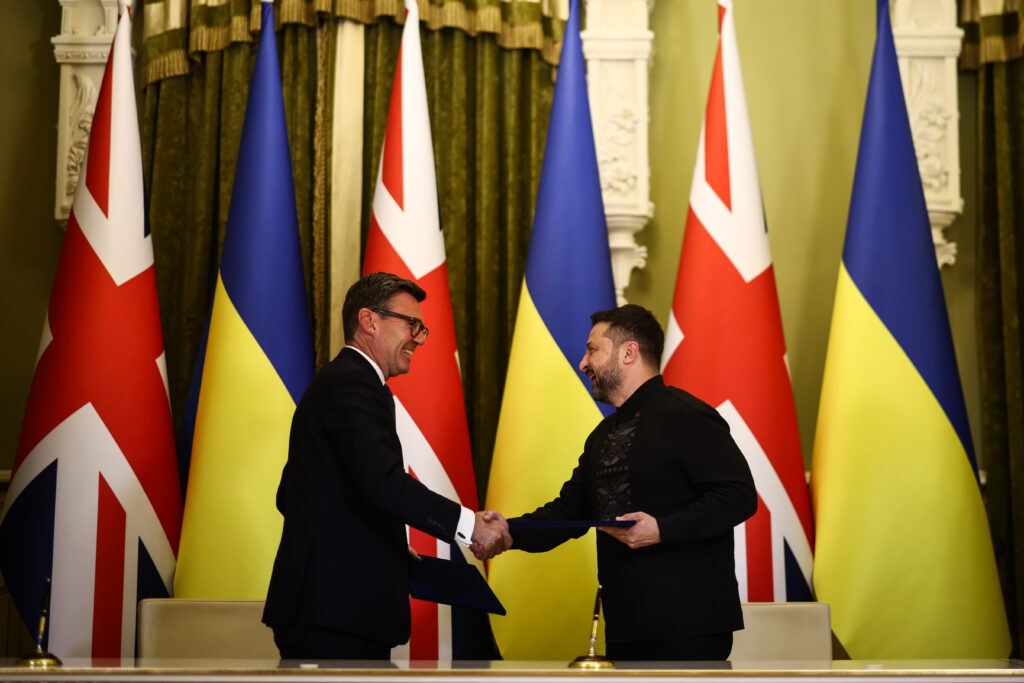
Burnham went to Kyiv. Now comes the harder journey to Washington
The Prime Minister’s first foreign visit was a welcome act of solidarity. But for Ukraine, British friendship will be judged by whether it can help unlock the air


Mace defence expert, Dr Daniel Frampton, highlights the importance of SME's for UK and NATO defence - and warns they are at a disadvantage.
While the Strategic Defence Review 2025 sets out an ambitious vision for faster and more adaptive procurement, and programmes such as DragonFire demonstrate progress in targeted areas, the central challenge lies in translating this into consistent, system-wide delivery across the defence industrial base, including Small and Medium sized Enterprises (SME’s).
“Expanding domestic sourcing and manufacturing capability could take years, if not decades”
Robert Taylor, Managing Director of immersive training company 4GD, argued that the defence sector had experienced “two awful years” following the pre-election spending slowdown before the 2024 General Election. Taylor stressed the urgency of rebuilding industrial capacity, warning that expanding domestic sourcing and manufacturing capability could take years, if not decades.
Jeremy Wimble, Senior Programme Manager at techUK, said that the delayed Defence Investment Plan, which was published in June, and wider financial pressures within the MoD had created “detrimental” conditions for many member companies. According to Wimble, firms have experienced delays in contract awards and, in some cases, abrupt contract suspensions with little notice. In one instance, a suspended contract reportedly forced three SMEs within the supply chain to issue redundancy notices. As Wimble warned, “the longer the delay to investment decisions, the harder it will be to turn the tap back on.”
The core tension within UK defence procurement is that SMEs and startups—despite being central to rapid innovation—are structurally disadvantaged within a system optimised for large, low-risk prime contractors. Delays to long-term funding decisions intensify cash-flow pressures, especially for SMEs, reducing investment confidence and limiting the ability of smaller firms to contribute to the defence sector and meet the remit of the SDR.
Brooks Newmark argued that the issue is not a lack of industrial capability, but rather the absence of consistency and certainty in procurement priorities needed to give firms confidence to invest. techUK similarly noted that supposedly “SME-friendly” tenders often have requirements that smaller firms cannot realistically meet, reflecting what some in the industry see as a persistent lack of understanding within parts of the MoD procurement system. Although the launch of the Defence Office for Small Business Growth in 2026 was broadly welcomed, industry figures argue that more fundamental reform is needed to make defence procurement genuinely accessible to smaller firms.
“Reeves warned that continued delays in investment are creating a perfect storm for SMEs.”
Tony Reeves of MAIAR, a disruptive defence SME, said that UK procurement rules continue to favour larger contractors because they are perceived as lower-risk options. SMEs, by contrast, are especially vulnerable to delays between contract awards and funding decisions, as recruitment and staffing are often directly tied to contract timelines. Reeves warned that continued delays in investment are creating “a perfect storm for SMEs,” increasing financial uncertainty while discouraging innovation. Robert Taylor similarly argued that unless the Government is willing to underwrite the risks associated with SME contracting, procurement officials will continue to default towards larger companies.
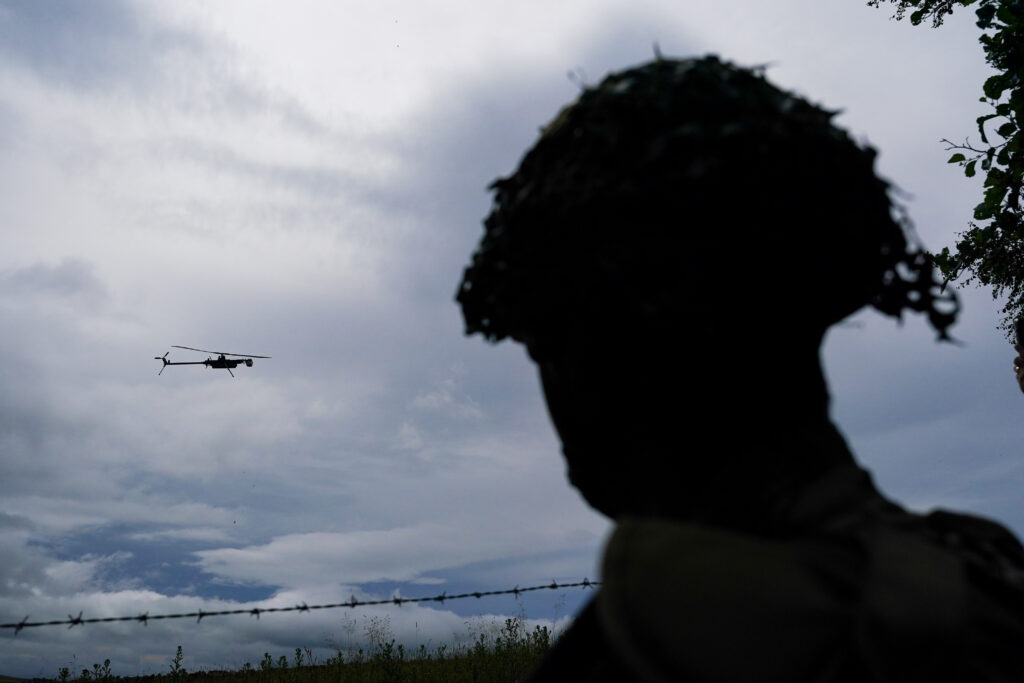
The consequences extend beyond industrial policy and directly affect the UK’s ability to implement the SDR. Its emphasis on scaling drone production and increasing lethality by 2035 depends heavily on firms capable of rapid iteration and low-cost manufacturing. However, the UK’s defence procurement model is highly centralised and risk-averse, contrasting sharply with the decentralised innovation ecosystem that has benefited Ukraine.
“UK defence procurement has largely been shaped by a peacetime environment that prioritises structure, oversight, and accountability”
As Newmark observed, UK defence procurement has largely been shaped by a peacetime environment that prioritises structure, oversight, and accountability. In Ukraine, military units work closely with manufacturers, enabling rapid testing, adaptation, and deployment. This model has proven particularly effective for the development of attritable systems and counter-drone technologies, areas in which SMEs and startups are often best placed to innovate quickly and cost-effectively.
However, despite widespread recognition of the lessons emerging from Ukraine, industry insiders believe the UK is not adapting quickly enough. Wimble argued that sustaining an “always-on production” model similar to Ukraine’s drone industry requires long-term contracts capable of supporting skilled workforces and manufacturing capacity. Newmark further suggested that a “cultural roadblock” within parts of the civil service continues to favour expensive traditional platforms over cheaper and more adaptable drone technologies.
Taken together, these criticisms highlight a growing structural mismatch within the UK defence sector. The firms most capable of delivering rapid technological innovation are often the least supported by existing procurement. Without faster reform, greater procurement flexibility, and clearer long-term investment signals, critics warn that the UK risks undermining both its defence industrial base and its ability to meet the Strategic Defence Review’s ambitions.
The Prime Minister’s first foreign visit was a welcome act of solidarity. But for Ukraine, British friendship will be judged by whether it can help unlock the air
Britain’s farmers have battled repeated heatwaves and droughts, but MP John Cooper says the government’s Family Farm Tax is piling further pressure on an industry that desperately needs
As a parliamentary Boz of modern times, Quentin Letts has recently found himself under fire in the Commons press gallery. He tells us why sketch writers don't need

For 10 months, ex-army officer James Jeffrey trekked 3500 km across Europe by foot. The scale of migration he witnessed may not have been as dramatic as the

Prime Minister Andy Burnham’s surprise move to appoint former Defence Secretary John Healey as Chancellor of the Exchequer proves that Westminster politics is an unpredictable game of cabinet

James Purnell’s return to frontline politics is more than a nostalgic Blair-Brown era reunion. As Andy Burnham builds his Downing Street operation, public affairs professionals will need to

In an exclusive special for Mace, expert Dr Daniel Frampton discusses the pivotal shift of the Strategic Defence Review towards a new age of defence technology for NATO.

With the NATO summit in Ankara today, our defence expert Dr Daniel Frampton argues that supply chains have become a strategic asset for the NATO Alliance.
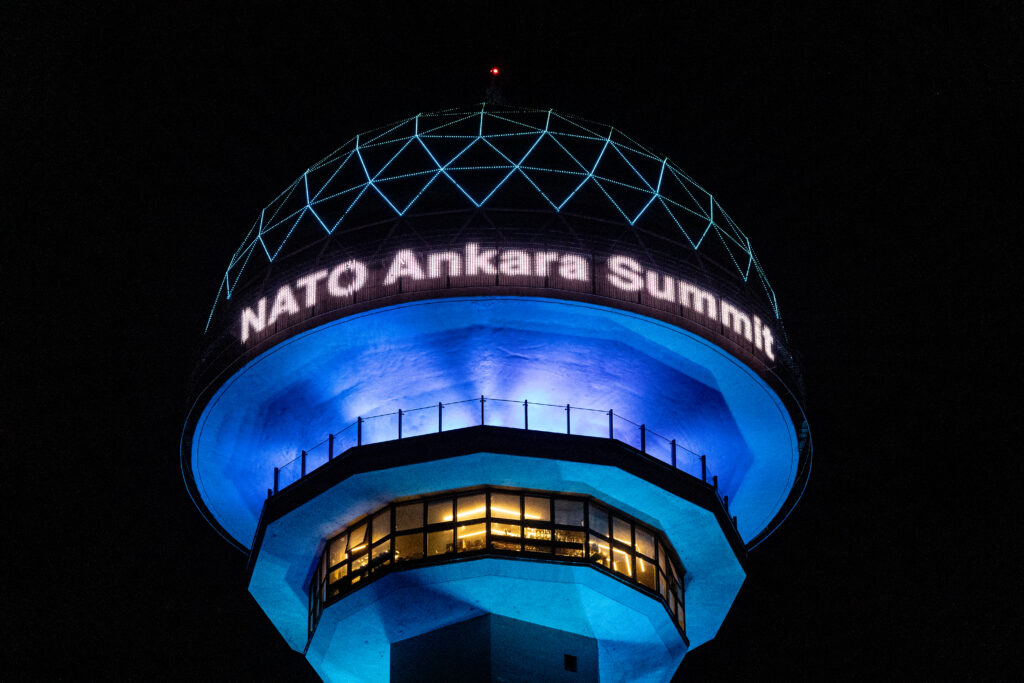
With the NATO Summit in Turkey, our defence expert Dr Daniel Frampton looks at whether the UK is bringing enough security and spending to the table.
Andy Burnham has promised the ‘biggest rebalancing of power our country has ever seen’. The Mace investigates what industry insiders think of his vision.