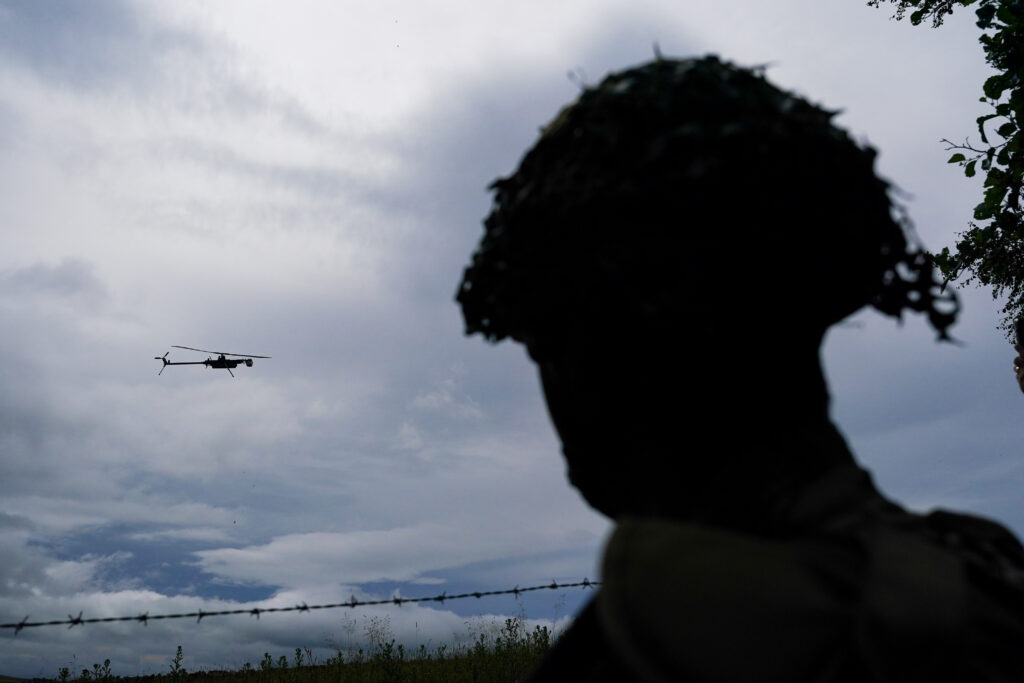
Kaliningrad Is Where Putin Is Testing Europe’s Defences
Europe may already be entering a new phase of confrontation with Russia, one in which the distinction between peace and conflict becomes increasingly difficult to identify.
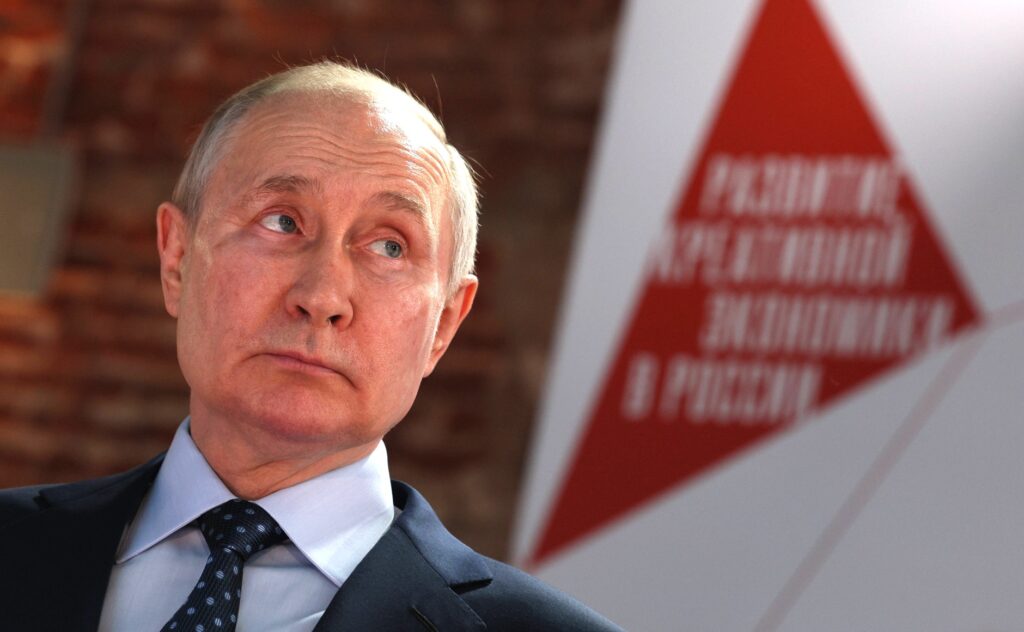


With the NATO summit in Ankara today, our defence expert Dr Daniel Frampton argues that supply chains have become a strategic asset for the NATO Alliance.
Europe may already be entering a new phase of confrontation with Russia, one in which the distinction between peace and conflict becomes increasingly difficult to identify.
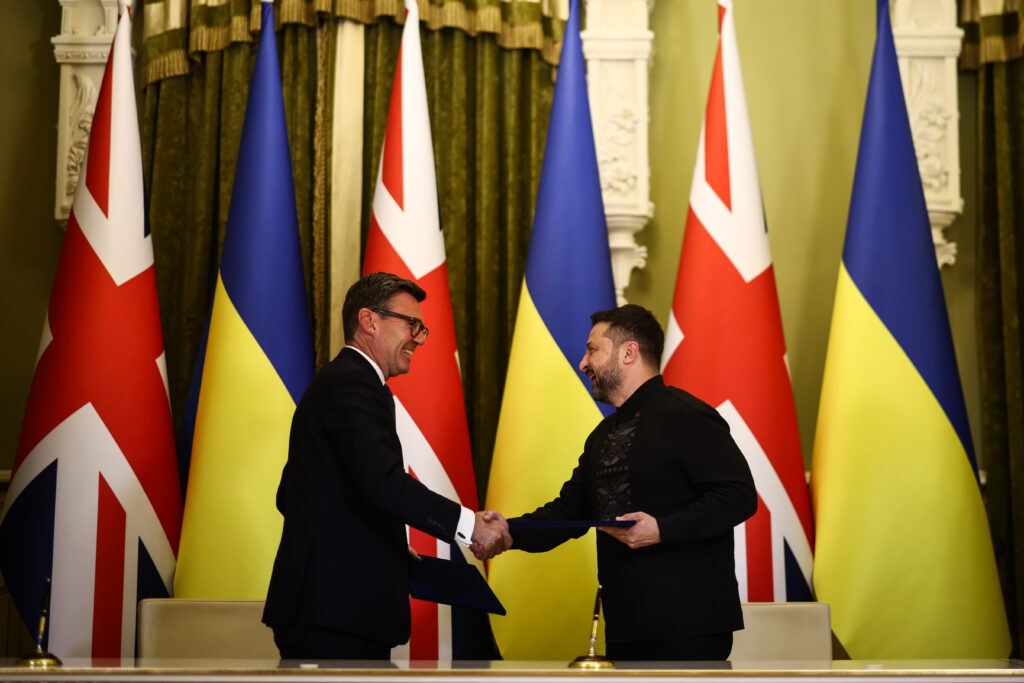
The Prime Minister’s first foreign visit was a welcome act of solidarity. But for Ukraine, British friendship will be judged by whether it can help unlock the air
Britain’s farmers have battled repeated heatwaves and droughts, but MP John Cooper says the government’s Family Farm Tax is piling further pressure on an industry that desperately needs

As a parliamentary Boz of modern times, Quentin Letts has recently found himself under fire in the Commons press gallery. He tells us why sketch writers don't need
For 10 months, ex-army officer James Jeffrey trekked 3500 km across Europe by foot. The scale of migration he witnessed may not have been as dramatic as the

Prime Minister Andy Burnham’s surprise move to appoint former Defence Secretary John Healey as Chancellor of the Exchequer proves that Westminster politics is an unpredictable game of cabinet

James Purnell’s return to frontline politics is more than a nostalgic Blair-Brown era reunion. As Andy Burnham builds his Downing Street operation, public affairs professionals will need to

In an exclusive special for Mace, expert Dr Daniel Frampton discusses the pivotal shift of the Strategic Defence Review towards a new age of defence technology for NATO.

Mace defence expert, Dr Daniel Frampton, highlights the importance of SME's for UK and NATO defence - and warns they are at a disadvantage.

With the NATO Summit in Turkey, our defence expert Dr Daniel Frampton looks at whether the UK is bringing enough security and spending to the table.