Polling latest: What do Britons make of the US midterms?
Democrats saw their hoped-for “blue wave” become reality, securing both the Senate and the House of Representatives.


“Americans said NO TO WAR and we endorse this message,” Mohammad Ghalibaf, the speaker of the Iranian parliament, wrote in a post on X.
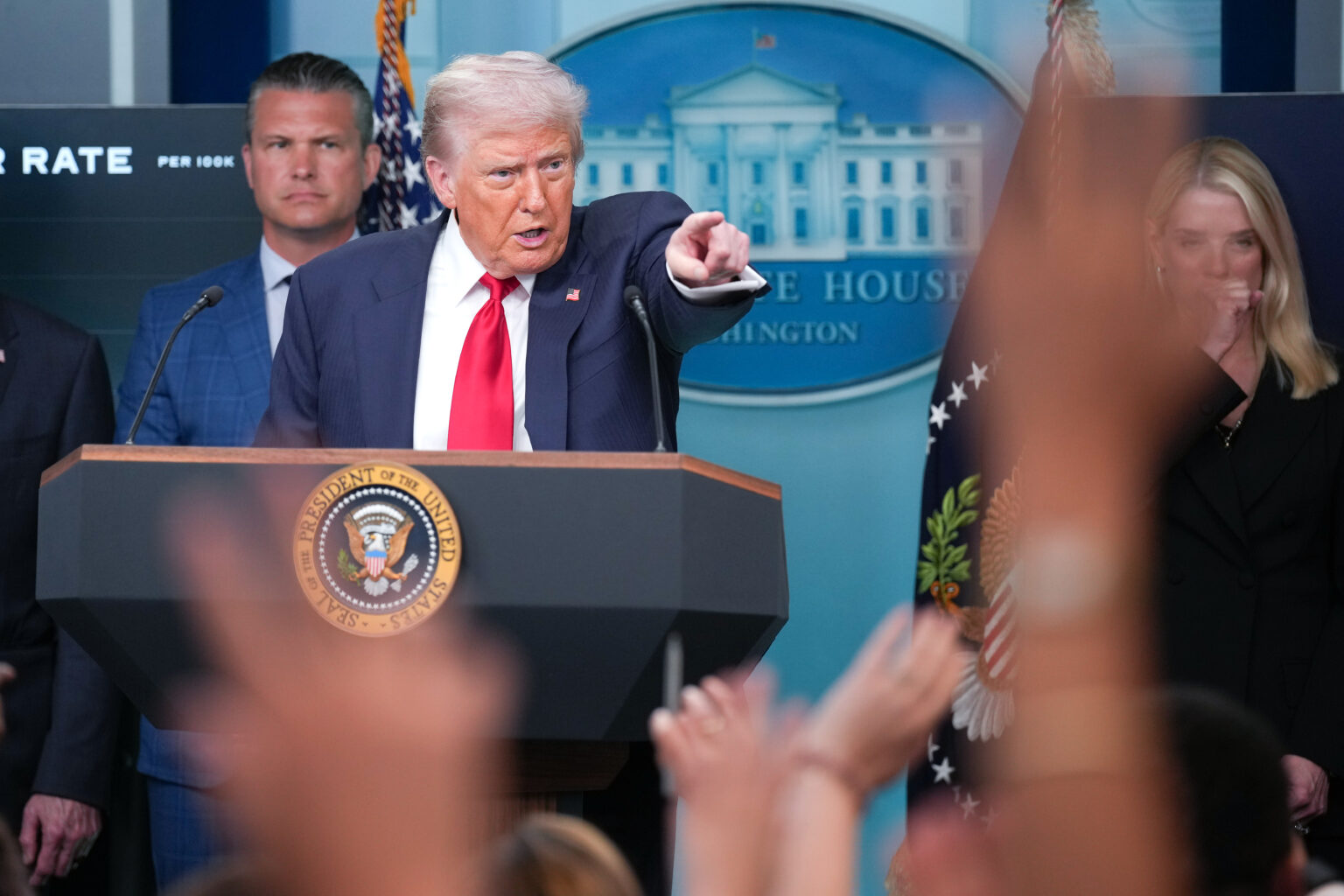
Vice President JD Vance said on Wednesday that the war against Iran was what derailed the Republican Party in the US midterm elections. The results, which saw a ‘blue wave’ sweep across the country, flipping historically red states such as Texas, were a damning indictment of the unpopularity of Donald Trump’s presidency.
Mohsen Rezaei, the secretary of Iran’s National Security Council, said: “The Iranian nation handed Trump a strategic defeat on the battlefield and in the Hormuz — and a POLITICAL DEFEAT in Washington.” However, Ayatollah Mojtaba Khamenei warned that those who thought it would change American policy towards Iran were “seriously mistaken.”
President Trump had been planning a renewed offensive with Israel after the midterm elections. He suggested he did not want to kill “lots of people” but would do so if needed. If the new offensive begins before January, when the incoming Congress is sworn in, there is little they can do about it.
One Democratic senator who was briefed on the plan for the offensive described it as ‘insane’. It may include wide-scale attacks on infrastructure in Iran, provoking retaliatory attacks against energy installations in other countries in the region.
“The real reason we lost is obvious to almost everyone”
The unpopularity of the war is evident in the highest ranks of the Republican machine. JD Vance wrote in a lengthy post on X: “The real reason we lost is obvious to almost everyone … The reason we lost is the war. The president himself said so last night.
“If you’d like to argue it was worth it, that losing the Senate for the next 6 years was worth it, then do so. Argue it was a worthwhile cost to pay. Agree or disagree, that’s at least honest.
“Everyone knows why we lost. And any honest conversation about where we go from here must start there.” It has long been reported that Vance has been sceptical about the forever war and is seeking to distance himself from it ahead of his potential 2028 presidential run.
President Trump acknowledged that the war in Iran contributed to the generational wipeout the Republicans have faced, but had set his position to be that “we had to do it, we continue to do it.” He added: “Long term, it’s the only answer,” and that: “You can’t let Iran have a nuclear weapon.”
“Democrats had little success in 2019 in restraining Trump from making unpopular foreign policy decisions”
While Democrats will soon hold a majority in both houses of Congress, they won’t be able to override a presidential veto to force legislation into law. Therefore, despite the Democrats now holding significant legislative power, they won’t necessarily be able to scale back the war, let alone end it. For example, Democrats had little success in 2019 in restraining Trump from making unpopular foreign policy decisions, such as an abrupt withdrawal from Syria that abandoned Kurdish allies, or in ending his support for the Saudi war in Yemen. Even though Congress managed to pass a bipartisan resolution that invoked the War Powers Resolution to end US support for Saudi Arabia in the deadly war, Trump simply vetoed it. There is little to suggest Trump won’t just do the same in Iran.
However, their most significant leverage will be over the budget and how much money will be channelled into military spending for the war.
“The Democrats taking control of both houses gives them unprecedented leverage – especially using the budget,” said Ryan Crocker, a former career diplomat and diplomatic fellow at the Middle East Institute, a think tank. “We have seen the [Pentagon] request to dramatically increase funding to support the war with Iran come into substantial criticism from Democrats, and I think that will be the first battleground.”
Democrats saw their hoped-for “blue wave” become reality, securing both the Senate and the House of Representatives.
Steve Hilton, David Cameron's one-time guru, has lost his bid to become California's first Republican governor in 20 years. So where does a man of so many reinventions

Trump told America to treat the midterms as a vote on him. It did. Now comes the reckoning, writes Mace editor-in-chief William Cash from California.

Voters look set to hand the president a drubbing in today's vote across the USA. The harder question is what he does with the two years that remain,

The government has pledged billions more for Britain's military. But can it finance those promises without squeezing other public services?

Europe may already be entering a new phase of confrontation with Russia, one in which the distinction between peace and conflict becomes increasingly difficult to identify.

The Prime Minister’s first foreign visit was a welcome act of solidarity. But for Ukraine, British friendship will be judged by whether it can help unlock the air

The press secretary will be leaving her post at the end of the month

Prime Minister Andy Burnham’s surprise move to appoint former Defence Secretary John Healey as Chancellor of the Exchequer proves that Westminster politics is an unpredictable game of cabinet

In an exclusive special for Mace, expert Dr Daniel Frampton discusses the pivotal shift of the Strategic Defence Review towards a new age of defence technology for NATO.