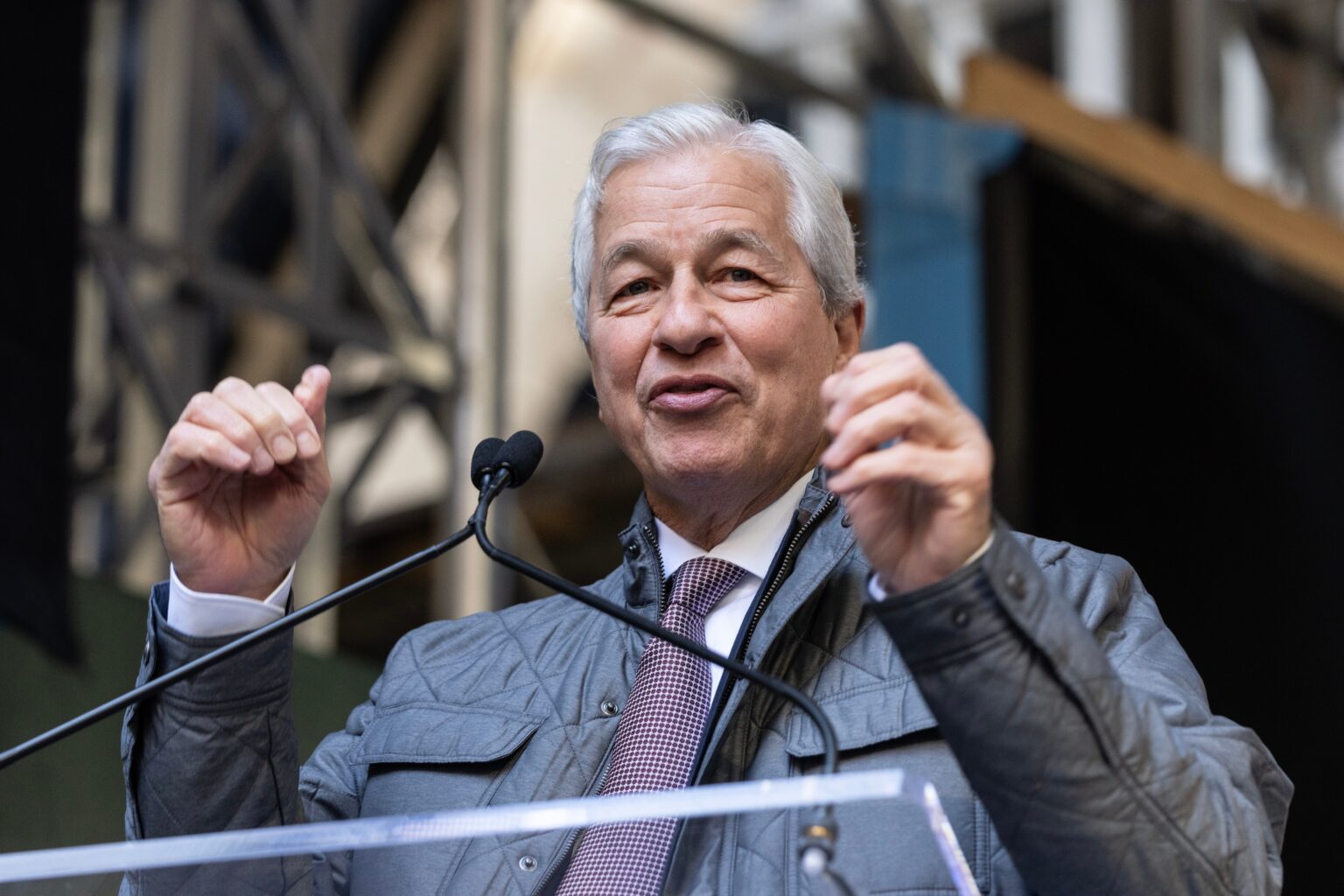
Jamie Dimon targets corporate meeting culture at JPMorgan

Mace | 12th June 2025 | International
Jamie,Dimon,Speaks,During,Ceremony,For,Final,Steel,Beam,Wrapped

JPMorgan CEO Jamie Dimon has criticised internal meetings as hubs of inefficiency and political manoeuvring. Speaking at a financial conference, he called for sharper, outcome-driven practices, urging staff to eliminate unproductive habits, especially in the wake of hybrid work. His comments accompany broader reforms aimed at reducing bureaucracy across the firm.

At the Morgan Stanley Financial Conference, JPMorgan Chase’s chief executive addressed the issue of corporate meetings, describing many as breeding grounds for internal politics and inefficiency. He argued that some meetings are specifically structured to impress senior leadership rather than address actual business challenges, urging a shift to genuine problem‑solving that targets core issues. In his remarks, the chief executive emphasised radical transparency in meeting conduct. He encouraged managers to openly present pressing operational problems instead of glossing over them, with the intention of fostering candid discussion about business challenges. He drew attention to examples of resource competition within teams, where individuals vie for credit on revenues and expenses, resulting in misallocation and dishonesty. The focus on individual performance was identified as detracting from collective business objectives. Highlighting internal practices, he referenced the small business credit card division as an example. He directed attention towards asking deeper strategic questions about competitors, such as marketing effectiveness and investment returns, rather than presenting superficial financial data. He also called out generic CEO letters and dense regulatory documents as unhelpful clutter, suggesting that both communication and compliance frameworks can exacerbate internal politics when clarity is lacking. His comments formed part of a broader push at the firm to cut back on bureaucracy. The bank has implemented measures to eliminate unnecessary meetings, reduce excessive documentation and condense committee reviews to drive greater efficiency. In a broader context, these remarks follow earlier discussions about the drawbacks of remote work. The chief executive has previously pointed to hybrid working models fostering unproductive meeting habits and inhibiting innovation and efficiency. The CEO has mandated a return to in‑office work for all employees, arguing that physical presence helps counteract idle meeting culture and promotes more dynamic interaction. He expects departments to boost efficiency by at least ten per cent, with initial emphasis on reducing redundant reports, meetings and training sessions. These statements follow an internal town‑hall session in Ohio, where pressure from staff led to debate on the five‑day presence rule. The CEO rebutted efforts to reverse the policy, referencing the broader agenda to streamline internal processes and enhance performance. JPMorgan Chase continues to maintain its position as the largest US bank by assets. That scale underscores the significance of internal culture shifts, as the firm seeks to balance regulatory obligations with operational rigor in response to post‑pandemic expectations....

Subscribe to The Mace

Join the member community shaping British politics and stay ahead of what's really happening in the world of politics and public affairs, with expert analysis, breaking news, and insider insights from Westminster and Brussels. The Mace is the leading news source and resource for the government affairs industry, offering required reading and lobby intelligence for professionals.

To see what you are missing out on by not subscribing to The Mace, click here to download our full membership info-pack. This includes having no paywall on op-ed content or profiles/interviews, allowing professional profiles to be read with maximum impact and visibility by government, special advisers, MPs, peers, civil servants, and policy and political decision-makers.

How to win American souls and influence the Vatican

William Cash | May 6, 2025

Trump’s Catholic allies are exerting growing influence in Rome as a new conclave approaches. Backed by wealthy donors and political operatives, they are campaigning for a more traditional

EU approves €201 billion budget amid tensions over climate goals and rising debt

Mace | April 24, 2025

The EU has agreed a €201 billion budget for 2025, prioritising research, health, education and climate action. Key programmes such as Horizon Europe and Erasmus+ receive increased funding,

Concerns about the situation in Syria rise, as the West takes action

| May 27, 2023

The Council of the European Union sanctions traffickers of Captagon, a drug that funds the Syrian regime and terrorist groups
Index Launch: Countries With The Most Effective Anti-Smoking Policies

Federico N. Fernández | November 21, 2022

The "Effective Anti-smoking Policies" Index analyses public policies aimed to eradicate smoking, in 59 countries

The EU Special Representative to the Gulf will play a key role in EU-GCC relationship

Mace | November 21, 2022

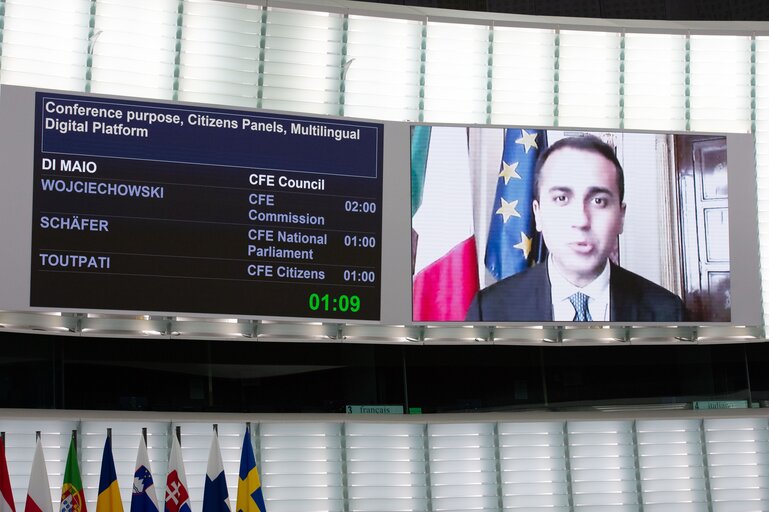
Luigi Di Maio's candidacy irks key countries across the EU and the Gulf
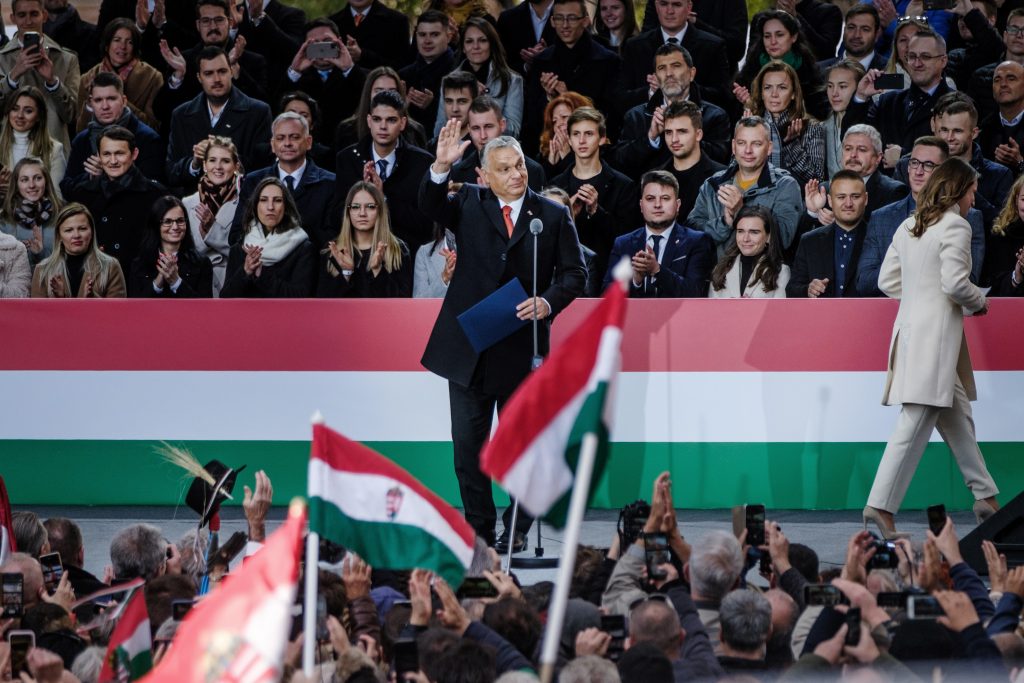
Can Viktor Orbán be defeated? 

François Valentin and Jorge González-Gallarza | February 11, 2022

Hungary’s opposition seems united around little more than its dislike of the PM and his Fidesz party. Will that be enough to beat him in April's elections? 
The Helm Review: Flop26

Dieter Helm | February 7, 2022

Mace hears from economist and climate expert Professor Dieter Helm on his assessment of Cop26

Fine words from Defra butters no parsnips

Gilbert Greenall | February 1, 2022

Can new laws make farming pay? If not, our countryside faces the biggest threat for centuries

Consider Nigeria

Olumayowa Okediran | January 5, 2022

To fight the immigration crisis, the EU must take a firm stance on human rights in Nigeria

Diplomat from Down Under: George Brandis

Mace | January 24, 2020

Australia’s top envoy in London reflects on moving from politics to diplomacy and on the deep historical ties that bind his country with the United Kingdom.