Hospitality and social value: A unique relationship that is worth protecting
"Our profession is one of the most accessible in the world," writes hospitality CEO Robert Richardson
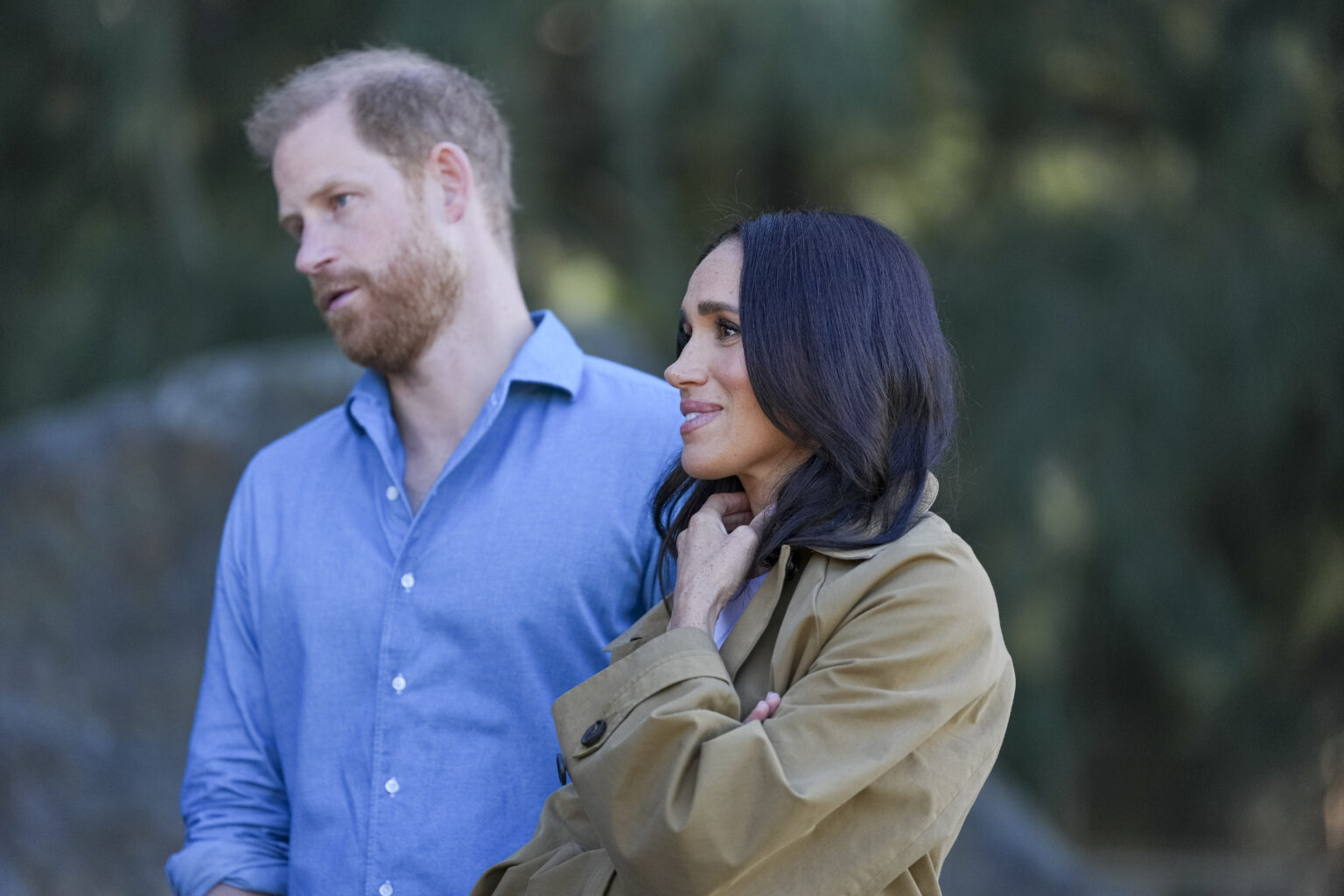
You don’t have to like the Sussexes to believe the government has a duty to protect them.
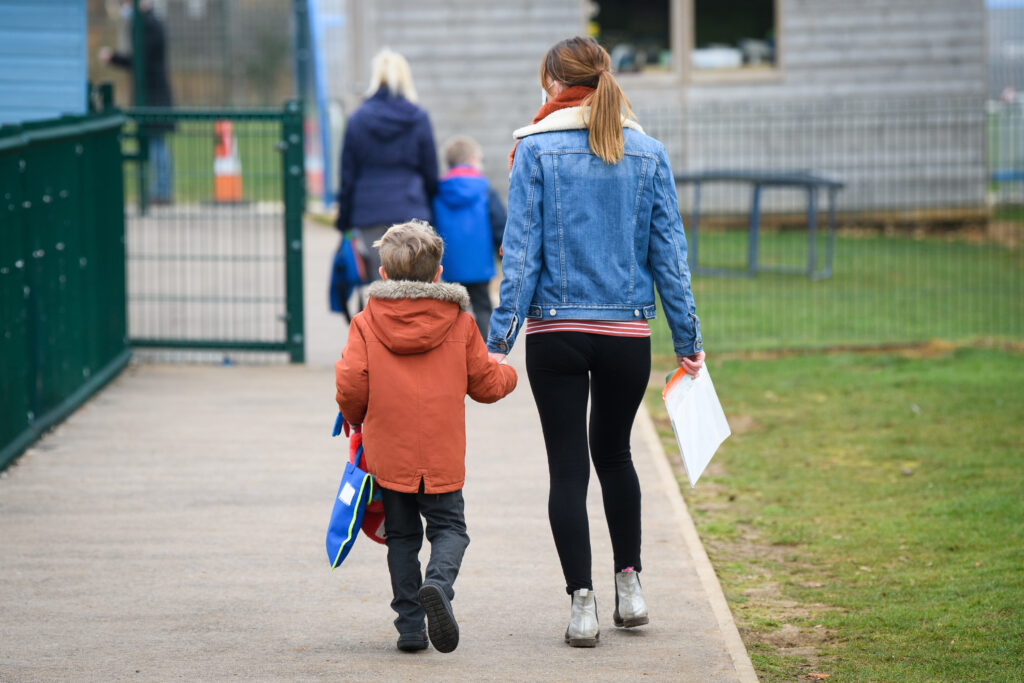
In an unprecedented move by Prince Harry and Meghan Markle, the California duo will shortly be moving back to the UK with their two young children ahead of the new school year. Prince Archie, seven, and Princess Lilibet, five, have already been enrolled in an undisclosed school and are due to start their British education in September. Security for the family has been the centre of public debate since the surprise announcement that they will be returning to Harry’s homeland – an issue that was previously a dealbreaker for the Prince.
Their return is a sharp U-turn from Prince Harry’s stance in May 2025 when he could not “see a world in which I would be bringing my wife and children back to the UK” after the state denied his request for security.
Their return is a huge personal gamble but soon the Sussexes will once again be living in the United Kingdom full time – and the state has an absolute responsibility to ensure their safety.
“If the state has a duty to protect children in this country, it cannot simply abandon that duty when those children happen to belong to a controversial family.”
It is undeniable that the Sussex family will face a high security risk. Not only are they the immediate family of the King, but Harry is an ex-serviceman who has (perhaps naively) made it public knowledge that he killed 25 members of the Taliban while in Afghanistan. Despite stepping back as working royals, they are still national symbols, and thus likely to be targets for terrorist groups, foreign agents and domestic criminals. Some may argue that Meghan and Harry chose to step away from royal duties and should therefore forfeit the privileges that come with them. But whatever their controversies or PR failings, that argument cannot reasonably be extended to their children. Archie and Lilibet are innocent, defenceless and entirely without responsibility for their parents’ decisions. They are also the grandchildren of the King. If the state has a duty to protect children in this country, it cannot simply abandon that duty when those children happen to belong to a controversial family.
There has been widespread media speculation about where the brother and sister will attend school. What we know so far is that they are likely to attend a private, co-educational school, allowing them to remain together. The names that are currently circulating include: Beaudesert Park School in Gloucestershire, Windlesham House School in West Sussex, Bedales School in Hampshire, and Cheam School in Hampshire where Harry’s grandfather Prince Philip attended. Another name circulating is Lambrook School where Princess Charlotte and Prince Louis attend, however this is less likely given Harry’s estrangement from his brother Prince William. A lesser-known but possible name is Kitebrook School, a coeducational school based in the Cotswolds.
Thus far, two former home secretaries have called for the Duke and Duchess of Sussex to be given a limited and temporary security package. Since it is unclear how long the couple are planning to stay, security planning is restricted until that is confirmed. Former Home Secretary Lord Blunkett said there was a “happy medium” in which the family could be given a moderate level of security protection that could be reviewed later down the line depending on the security threat posed to the family. Another former home secretary, who has chosen to remain anonymous, said their security should be “limited and restricted and not full time” but said it was “hard to imagine how he and his family would not receive some protection”.
Blunkett said: “If I were looking back on my time, there’s a happy medium here. There are three areas of security. There’s the fully blown, blacked-out back-up car with two or three close protections — one in the passenger car and the others in the back-up on a 24-hour basis.”
However, the public feel differently. In a YouGov poll of 2,128 British adults, 71 per cent said the government should not fund any of the family’s security. This comes amid a growing security bill funded by taxpayers to protect nine former prime ministers — a record number.
"Our profession is one of the most accessible in the world," writes hospitality CEO Robert Richardson
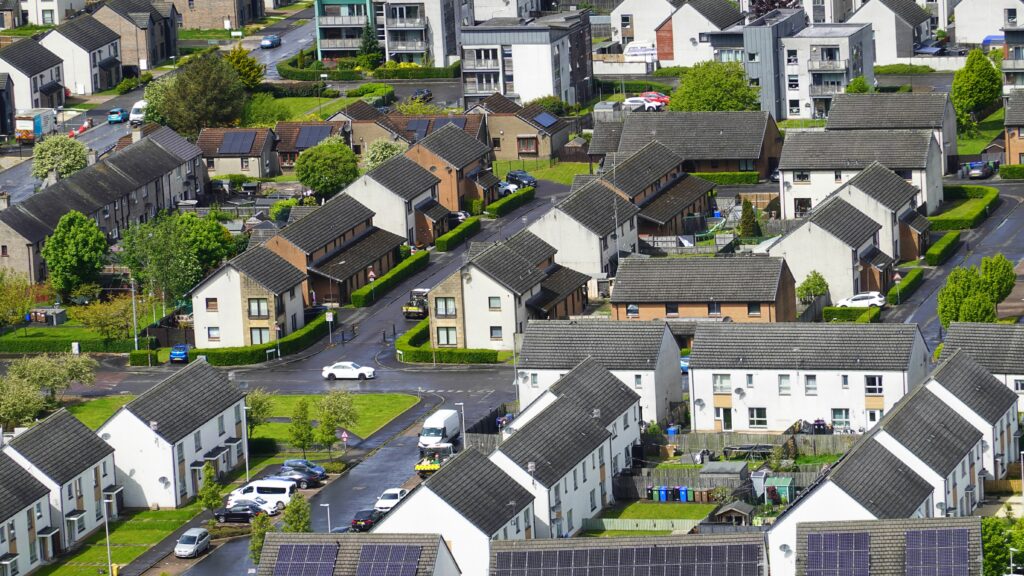
If councils want to build more homes, they must make it easier for property developers to partner with them, says leading UK developer Kamal Pankhania
Manchester’s metamorphosis into the UK’s second capital has been a testament to the potential of northern cities, so we must approach the Man City scandal with a nuanced

Greater deregulation for the financial sector in the City is not the way forward, writes Mick McAteer.

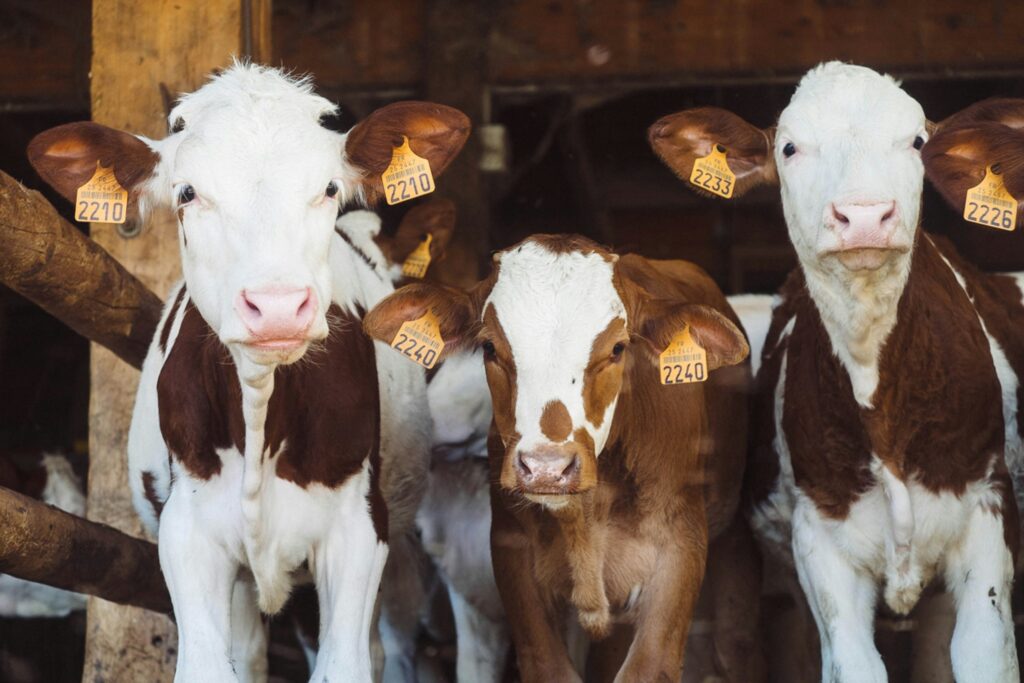
This summer exposed the chain of vulnerabilities faced by the agricultural industry, Ella Beadman writes.
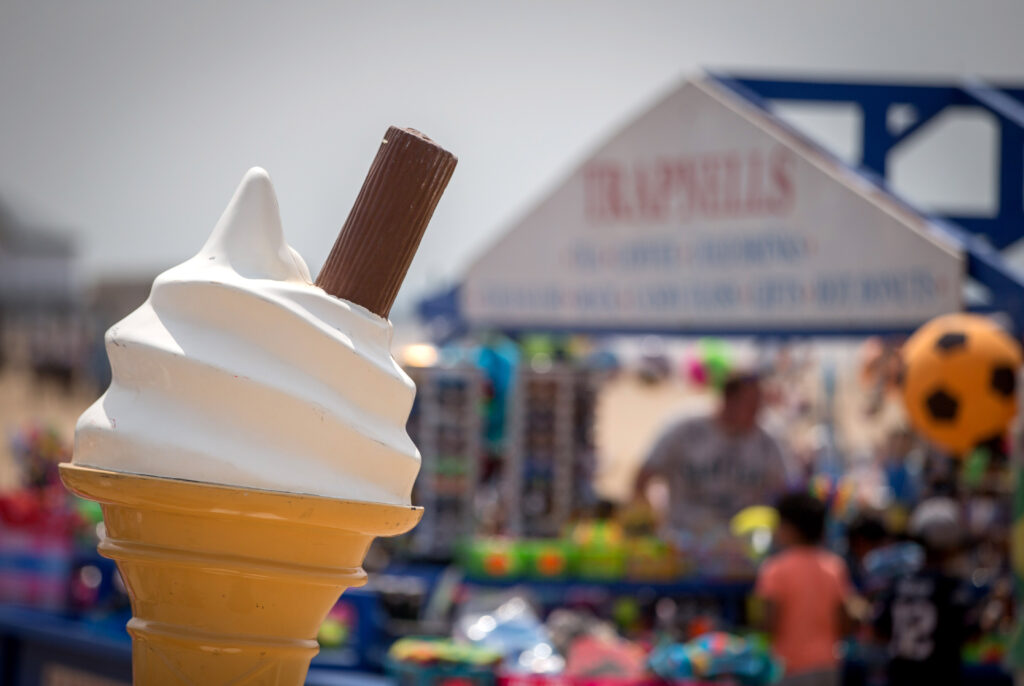
The government's new 5% tourism tax and overnight levy is the last thing the UK's hospitality sector needs, says William Cash
The new government protocol raises concerns about whether young people are getting the necessary exposure they need in their early careers
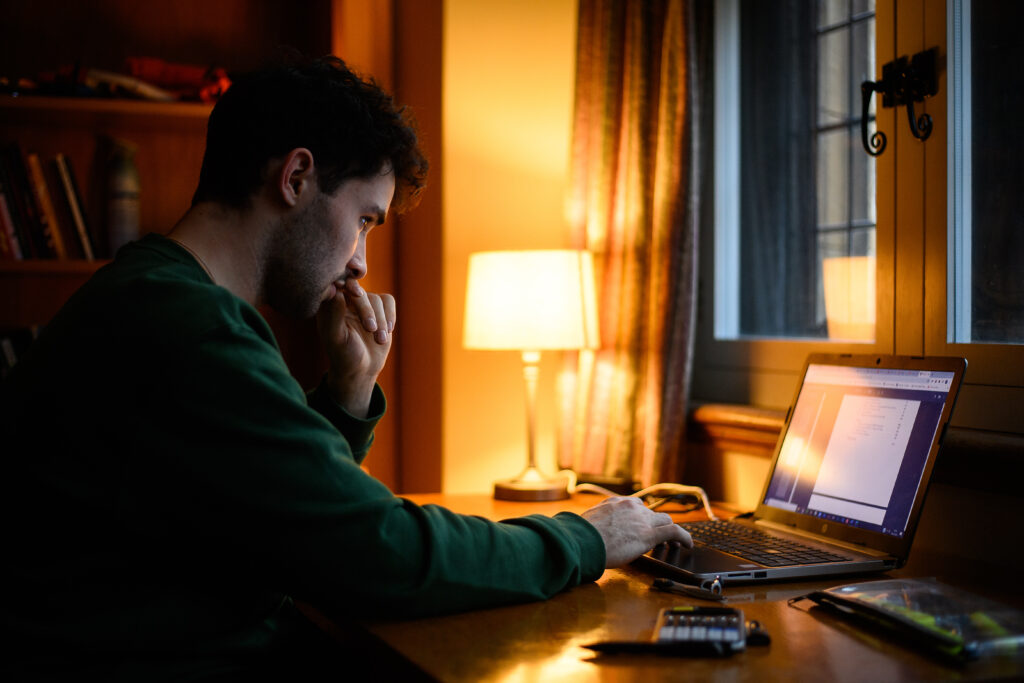
What happens when the technology that could one day threaten humanity begins to destroy the institution responsible for warning us about it?

As speculation mounts over further tax rises, Britain’s ultra-rich investors and job creators are choosing to take their wealth elsewhere.
In an exclusive op-ed for Mace, hospitality industry leader Robert Richardson sets out why the sector must do more to become accessible to young families.