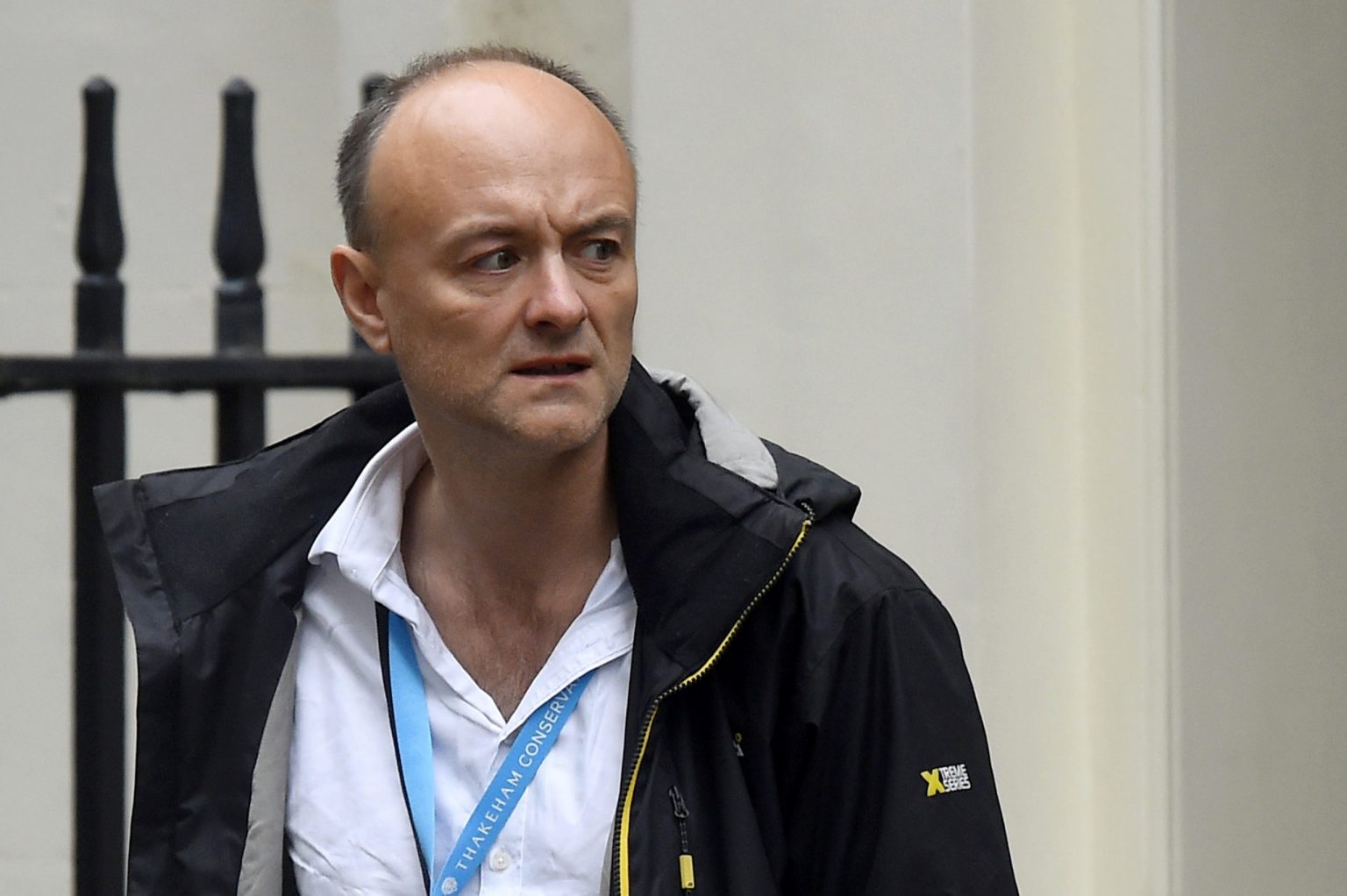
Special Adviser Dominic Cummings leaves 10 Downing Street leaves with British Prime Minister Boris Johnson on October 3, 2019. (Photo by Peter Summers/Getty Images)
How much can Whitehall’s antiquated government offices learn from the Palo Alto tech giants?
During the election campaign Dominic Cummings seemed a remote figure, and now we know why: he was plotting widespread Whitehall reform. In his cri-de-coeur blogpost of 2nd January 2020, Cummings issued a job spec designed to attract unconventional thinkers. Echoing start-up language, he talked of the need for unusual economists, unusual data scientists and “super-talented weirdos”.
It’s something he’s been thinking about for a long while. In 2014, Cummings wrote in another blogpost: “The biggest contrast in personality type and outlook of relevance to politics is not between ‘business’ and ‘politics/civil service’ … [but] between ‘bureaucrats’ and venture capitalists, start-up entrepreneurs and small businesspeople (‘start-ups’ for short).” There is little doubt about which camp Cummings inclines towards.
The idea that Whitehall should learn from business isn’t new. Steve Hilton, former director of strategy to David Cameron, also made northern California his political Mecca, but failed to revolutionise Whitehall during his two years in Downing Street. But will Cummings fare any better at instituting the technical innovation he regards as long overdue?
Plenty of people think Westminster could learn a lot from Britain’s start-up culture. Hayley Smith, head of marketing agency Boxed Out PR, has worked with government task forces in the departments of education and international …
Subscribe to The Mace
Join the member community shaping British politics and stay ahead of
what's really happening in the world of politics and public affairs,
with expert analysis, breaking news, and insider insights from
Westminster and Brussels. The Mace is the leading news source and
resource for the government affairs industry, offering required
reading and lobby intelligence for professionals.
To see what you are missing out on by not subscribing to The Mace, click here to download our full membership info-pack. This includes
having no paywall on op-ed content or profiles/interviews, allowing
professional profiles to be read with maximum impact and visibility by
government, special advisers, MPs, peers, civil servants, and policy
and political decision-makers.
The dismal results of reducing the police force in Scotland should act as a cautionary deterrent for English police reform, writes Sharon Dowey, a former member of the
Tristan Breijer is the new London head of Checkmate Government Relations. The move into London gives the US lobby firm its first European base, bringing its global power-broking
Latest Dept of Education figures reveal over 40,000 independent school pupils dropping out since Labour's VAT raid. But, The Mace argues, surging fees, an arms race for facilities
As politicians call for more external appointments in Whitehall, Professor Nada Kakabadse argues that the real challenge lies not in recruitment, but governance.
Andy Burnham may struggle to win the Makerfield by-election if ‘Wigan Man’ emerges as the new median voter whom parties must attract to win the next election, says
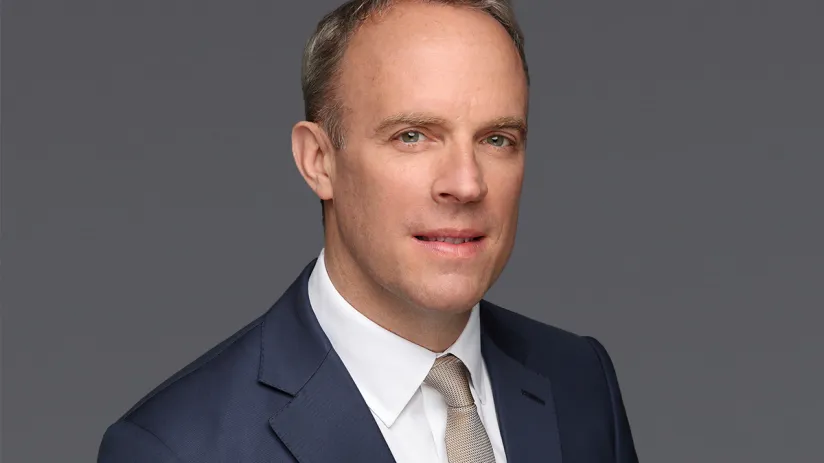
The former deputy prime minister and foreign secretary will be advising Kreab global clients on defence and intelligence-related issues, as well as international geopolitics and Westminster issues.
After leaving Linklaters, Jessica joined the Conservative Party’s Shadow Energy and Climate Change team in 2008 just as energy security and climate policy were rising rapidly up the