Governments are rich in intelligence but not capability

Nada Kakabadse | 13th May 2026 | Comment
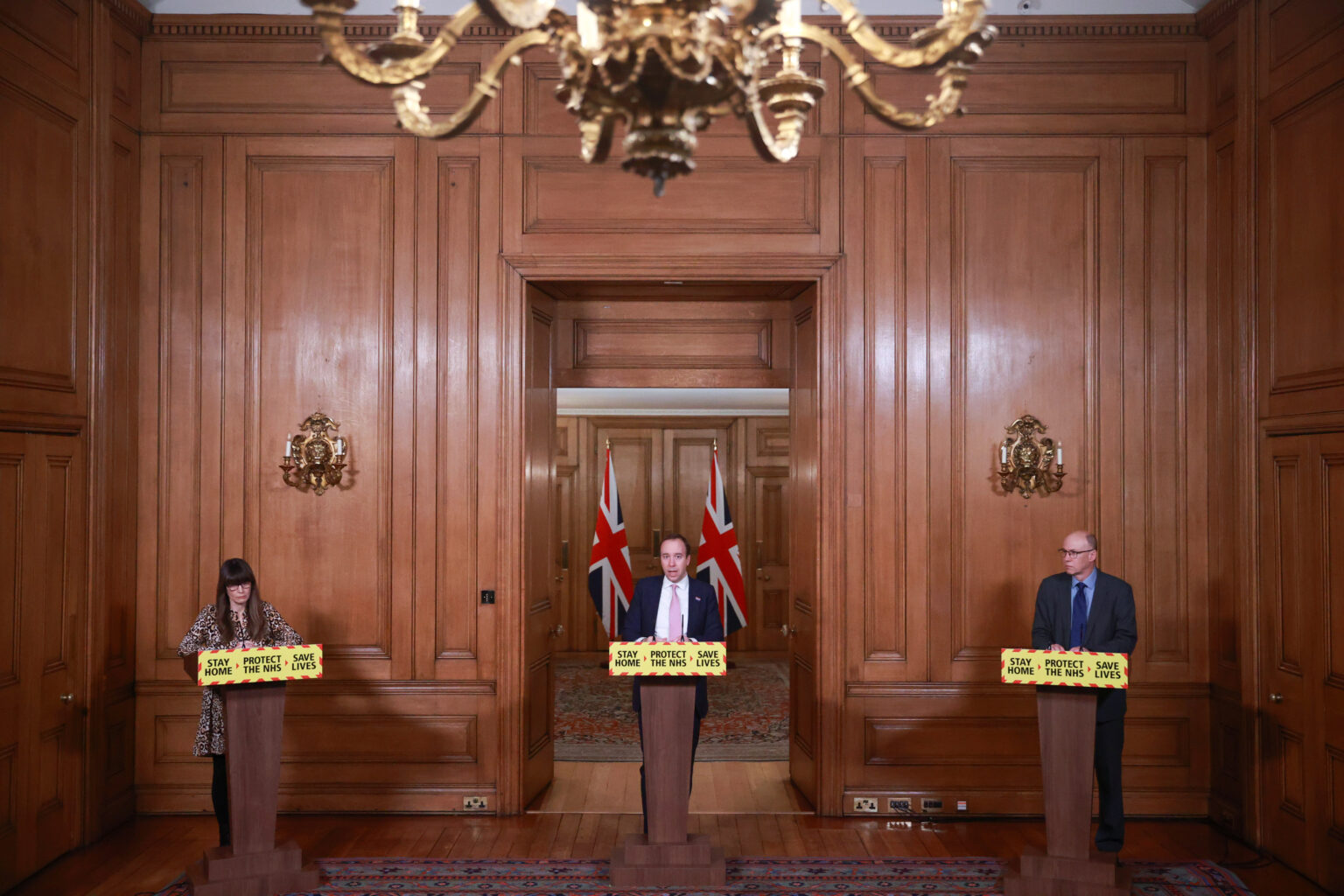
Photo by Hannah McKay - WPA Pool/Getty Images

Our governments are simply not designed for the challenges we face in the modern day, warns Professor Nada Kakabadse.

In 2016, the UK ran one of the most comprehensive pandemic simulations in its history. Nearly 1,000 officials took part. The conclusions were stark, but accurate. 

The system would struggle to cope, hospitals would be overwhelmed, PPE stockpiles were insufficient, and coordination across government was likely to ultimately falter. 

Four years later, COVID-19 proved every one of these warnings to be correct. The real story here isn’t that government got it wrong. It’s that it got it right, and yet still chose not to act. 

Knowing isn’t the same as being ready 

This project, known as ‘Exercise Cygnus,’ did exactly what it was designed to do. It stress-tested the system and exposed vulnerabilities with clarity and honesty. Those involved were all capable, serious professionals, but the end analysis was not the problem. It was what followed that was at issue. 

Recommendations were made, documented, and then left mostly untouched. When the crisis eventually hit, it didn’t surprise the system, it simply exploited the weaknesses which had already been mapped. 

This gap between insight and action is not unique to the UK. It is, increasingly, a defining failure of modern governance. 

Governments today are rich in diagnosis but poor in delivery. Their reports accumulate, key lessons are identified, and then implementation stall, until the next crisis arrives to validate what’s already …

Subscribe to The Mace

Join the member community shaping British politics and stay ahead of what's really happening in the world of politics and public affairs, with expert analysis, breaking news, and insider insights from Westminster and Brussels. The Mace is the leading news source and resource for the government affairs industry, offering required reading and lobby intelligence for professionals.

To see what you are missing out on by not subscribing to The Mace, click here to download our full membership info-pack. This includes having no paywall on op-ed content or profiles/interviews, allowing professional profiles to be read with maximum impact and visibility by government, special advisers, MPs, peers, civil servants, and policy and political decision-makers.


Hostages to history

John Kampfner | May 6, 2022

The Russian invasion of Ukraine has forced Germany to reconsider the penance it has paid to its past – and, unwittingly, to Putin


The shape of things to come

Naweed Khan | May 5, 2022

Naweed Khan hears from Future Shape’s tech guru Tony Fadell how skills honed in Silicon Valley can solve the climate crisis

A nation divided

John Curtice | May 4, 2022

Complex circumstances mean the 2022 local elections are unlikely to deliver the definitive coup de grace some are hoping for

What actually matters to voters?

Lucy Kenningham | May 1, 2022

It's the economy, stupid!

The communications dilemma of PartyGate

Giles Kenningham | April 24, 2022

David Cameron's former Head of Press at No 10 recalls the vital and prescient lessons of 2011's phone hacking scandal
P&O ‘crisis’ requires a steady hand on the tiller

Roger Green | April 16, 2022

The restructuring at P&O ferries is an unfortunate but inevitable consequence of a wider storm in the sector

Chewing over better health

Olivia Carey | April 11, 2022

At times of humanitarian crisis, small measures can solve complicated problems

Are our freedoms under threat?

David Campbell Banermann | March 22, 2022

Tearing down statues is just one manifestation of a direct attack on our values, institutions and shared history

How will the war in Ukraine end?

Lucy Kenningham | March 7, 2022

Finnish Ambassador to the UK Jukka Siukosaari reveals the Finnish insight on Russia and speculates on how the conflict will end
Reworking labour rights

Richard Milsom | March 4, 2022

The Malaysian palm oil industry is one of many making strides towards stamping out forced and trafficked labour