Governments are rich in intelligence but not capability

Nada Kakabadse | 13th May 2026 | Comment
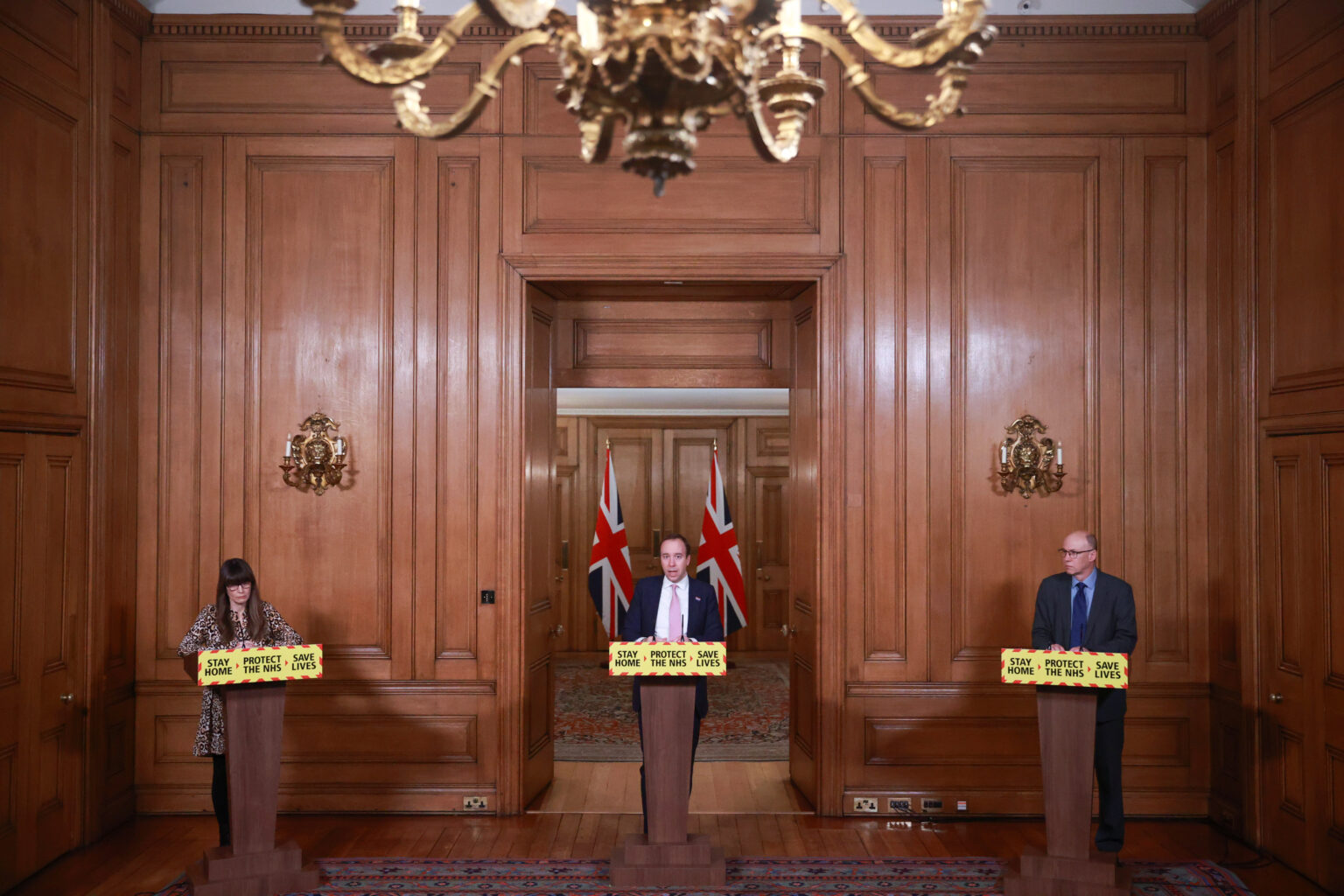
Photo by Hannah McKay - WPA Pool/Getty Images

Our governments are simply not designed for the challenges we face in the modern day, warns Professor Nada Kakabadse.

In 2016, the UK ran one of the most comprehensive pandemic simulations in its history. Nearly 1,000 officials took part. The conclusions were stark, but accurate. 

The system would struggle to cope, hospitals would be overwhelmed, PPE stockpiles were insufficient, and coordination across government was likely to ultimately falter. 

Four years later, COVID-19 proved every one of these warnings to be correct. The real story here isn’t that government got it wrong. It’s that it got it right, and yet still chose not to act. 

Knowing isn’t the same as being ready 

This project, known as ‘Exercise Cygnus,’ did exactly what it was designed to do. It stress-tested the system and exposed vulnerabilities with clarity and honesty. Those involved were all capable, serious professionals, but the end analysis was not the problem. It was what followed that was at issue. 

Recommendations were made, documented, and then left mostly untouched. When the crisis eventually hit, it didn’t surprise the system, it simply exploited the weaknesses which had already been mapped. 

This gap between insight and action is not unique to the UK. It is, increasingly, a defining failure of modern governance. 

Governments today are rich in diagnosis but poor in delivery. Their reports accumulate, key lessons are identified, and then implementation stall, until the next crisis arrives to validate what’s already …

Subscribe to The Mace

Join the member community shaping British politics and stay ahead of what's really happening in the world of politics and public affairs, with expert analysis, breaking news, and insider insights from Westminster and Brussels. The Mace is the leading news source and resource for the government affairs industry, offering required reading and lobby intelligence for professionals.

To see what you are missing out on by not subscribing to The Mace, click here to download our full membership info-pack. This includes having no paywall on op-ed content or profiles/interviews, allowing professional profiles to be read with maximum impact and visibility by government, special advisers, MPs, peers, civil servants, and policy and political decision-makers.


Will Pakistan become a pariah state?

Azeem Ibrahim | April 19, 2023

With the military running out of options, could the assassination of Imran Khan be on the cards?

Why a new department should bring hope to UK energy

Stephen Sanderson | February 17, 2023

Rishi Sunak's splitting of BEIS and the creation of a dedicated Department for Energy Security and Net Zero under Grant Shapps brings new hope to the UK’s energy
It is high time for Europe to reconsider its priorities in Central Asia

Szabolcs Szalay | February 16, 2023

The EU needs to play a more active role in Central Asia with regard to both energy security and connectivity
Coping with academic stress

Robert Armstrong | January 6, 2023

Exam season is considered to be one of the most demanding of the academic year, often having a detrimental effect on students' mental health.

Unspun: How and why to write a speech

Ed Amory | December 18, 2022

Many of us have no time for long-form oration, but there are good reasons why political speeches are still important

EU Enlargement: Montenegro’s accession is a milestone for the future of Europe

Rade Vujacic | December 14, 2022

After a decade of negotiations, citizens must now secure Montenegro’s path to EU membership

Relations with Post-War Russia; a Mirror for Europe?

Szabolcs Szalay | November 29, 2022

Foreign policy planning has never been the strong asset of the European Union

The EU Special Representative to the Gulf will play a key role in EU-GCC relationship

Mace | November 21, 2022

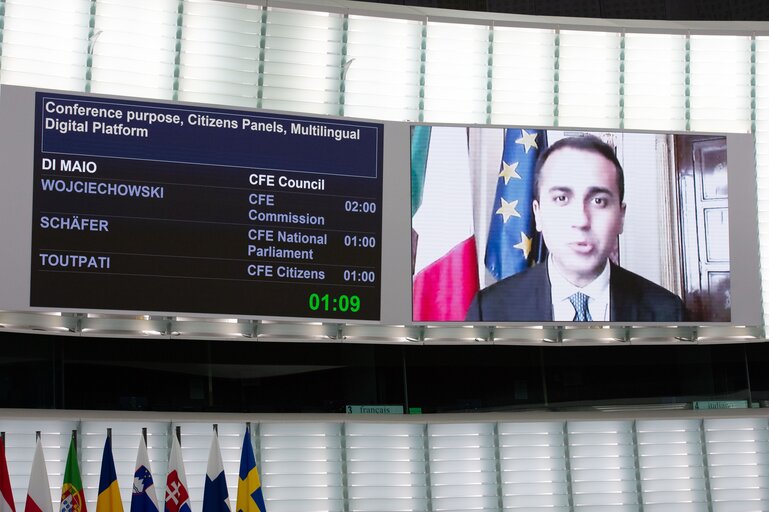
Luigi Di Maio's candidacy irks key countries across the EU and the Gulf
Europe’s Energy Crisis Requires Innovative Solutions

Mehmet Katmer | November 20, 2022

Policymakers must ensure that Europe's demand needs are met in an affordable way while at the same time supporting the transition to low-carbon fuels.

The E.U. Should Follow the U.K.’s Model on Due Diligence

Michiel Hoogeveen | November 10, 2022

The U.K.’s current political and economic turmoil offers a model that no one on the continent would wish to follow right now – but its Due Diligence system,