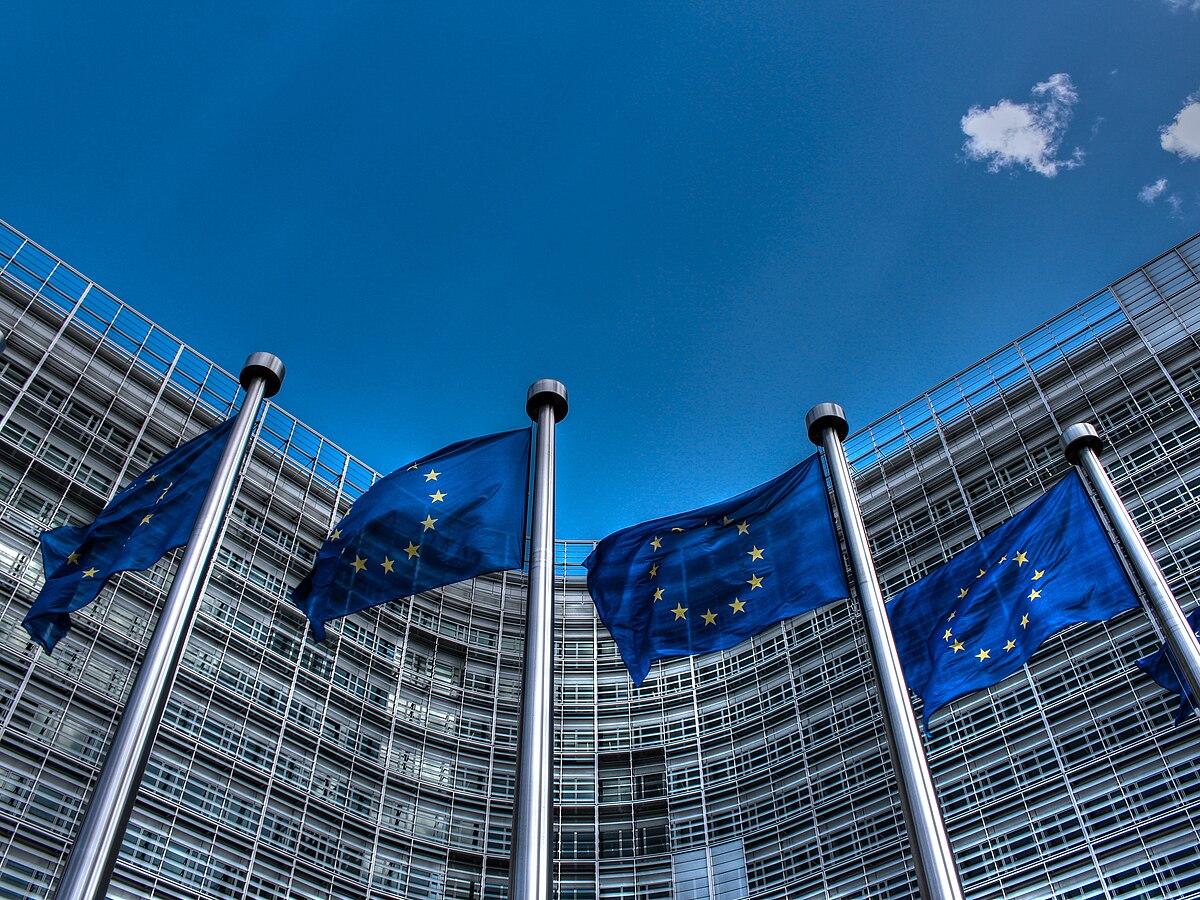
EU parliament shifts corporate rulebook in favour of business interests

Mace | 14th November 2025 | International, Uncategorised
European_Union_Flags_2

The European Parliament on 13 November 2025 approved amendments that sharply reduce the scope of the Corporate Sustainability Due Diligence Directive and the associated reporting regime

The European Parliament backed a position that sets compliance only for companies with at least 5 000 employees and annual turnover above €1.5 billion, reversing earlier thresholds of 1 000 employees and €450 million turnover. The requirement for firms to prepare climate transition plans was removed altogether. Lawmakers approved the package in a vote with 382 in favour and 249 opposed. Ahead of the vote an alliance of centre-right and far-right groups co-operated to secure changes, thereby deviating from the traditional bloc alignments in the Parliament. This move came after firms and governments, including the United States and Qatar, warned that the original directive would impede investment and supply-chain operations in the bloc. Critics warn the amendments may undermine corporate accountability for human-rights and environmental risks across supply chains. Some civil-society organisations argue that by narrowing the number of covered firms and removing key obligations the legislation loses much of its intended bite.  Supporters say the changes relieve smaller firms from compliance burdens and position the bloc to be more competitive globally, easing regulatory costs and complexity. The diplomatic dimension of the vote is significant. Businesses in the United States and other jurisdictions had lobbied for the roll-back on the grounds that strict EU sustainability rules would disadvantage non-EU operators and hamper global trade. For the Parliament, delivering a business-friendly outcome may also reflect strategic recalibration given economic pressure on member states and industry concerns about regulatory load. The legislation now moves into trilogue negotiations between the European Parliament, the European Commission and the Council of the European Union (with member-state governments). Final text approval remains subject to formal adoption by member-states, likely by end of the year. Industry and legal watchers will closely monitor whether the thresholds or obligations change again in the negotiations or if short-form compromises persist. The shift raises questions about the bloc’s broader climate and human-rights strategy. With the Corporate Sustainability Reporting Directive and the CSDDD both facing revision, the EU must weigh regulatory simplification against its commitments under the European Green Deal and global investor expectations. Observers note that higher thresholds mean the majority of firms initially captured will now fall outside the rules, which could impact transparency and oversight. In member-state capitals the political significance of the vote is already clear. Governments facing economic headwinds may interpret the change as a sign that Brussels will pivot toward regulatory light-touch models for industry. Firms headquartered in smaller EU countries or operating cross-border welcomed relief from obligations they viewed as onerous. Legal experts, however, warn that reducing due-diligence obligations may invite litigation under national frameworks and create patch-work compliance risks. As trilogue talks advance the key question will be whether the Council pushes for restoring some of the tougher elements removed by Parliament or accepts the business-friendly baseline. A diluted final law could still pass, but the durability of the changes and their downstream effects on supply-chain governance, investor behaviour and global standards remain uncertain. In sum the vote marks a recalibration of Europe’s regulatory ambitions on sustainability. It signals a stronger tilt toward business competitiveness over ESG rigour and suggests that corporate obligations may be slimmer than previously envisioned. The consequences for global corporate operations, as well as the EU’s leadership role in sustainable governance, are likely to unfold over the coming years....

Subscribe to The Mace

Join the member community shaping British politics and stay ahead of what's really happening in the world of politics and public affairs, with expert analysis, breaking news, and insider insights from Westminster and Brussels. The Mace is the leading news source and resource for the government affairs industry, offering required reading and lobby intelligence for professionals.

To see what you are missing out on by not subscribing to The Mace, click here to download our full membership info-pack. This includes having no paywall on op-ed content or profiles/interviews, allowing professional profiles to be read with maximum impact and visibility by government, special advisers, MPs, peers, civil servants, and policy and political decision-makers.

After COVID, the EU needs a new approach to China

Hilde Vautmans MEP | April 14, 2021

The pandemic has proved a turning point for China's foreign policy and public relations. Brussels should reciprocate.

Europe’s risk aversion affects the whole world

Daniel Dalton | April 14, 2021

From digital policy to transport, the EU's overly prescriptive approach to risk is unwise and costly.

The Streaming Wars: European culture could be a major step towards recovery

Gérard Pogorel | April 14, 2021

Politicians across the bloc ought to remember the films and series they enjoyed during lockdown – and support their continental producers.

To Europeans, America is back. The US wants something in return

Niklas Nováky | April 14, 2021

If it is not possible to renew transatlantic vows under Biden, chances are that it will not happen under his successor either.

Treaty change can secure post-Covid reform for the EU

Daniel Kaddik | April 14, 2021

The upcoming Conference on the Future of Europe must avoid becoming a mere publicity stunt, when the bloc needs drastic change.

COVID Recovery Fund challenged in European Courts

Robert Tyler | April 12, 2021

If the Constitutional Court decides to proceed with the case, it could delay the roll out of the Coronavirus Recovery Fund for months

What if there isn’t a path forward for Keir Starmer?

Marie Le Conte | April 6, 2021

Keir Starmer became leader of the Labour party just under a year ago. He isn’t doing great; he isn’t doing terribly either, but few seem to believe he…

Meditations in an Emergency: Whitehall during COVID

Adam Solomons | March 24, 2021

An Institute for Government report diagnosed Whitehall’s mixed success during the coronavirus pandemic. Its lead author said making the necessary changes will be no mean feat.

Who backs who in the modern Conservative party?

Marie Le Conte | March 23, 2021

In her latest Jackdaw circular, Marie Le Conte observes a rare ceasefire in Tory backbench alliances. Will it hold?
The APPG for One Punch Assaults should tread lightly

Bill Bowkett | March 22, 2021

Mandatory minimum sentencing is an unwise aspect of considerations made by the MPs’ lobby group led by Dehenna Davison, argues Bill Bowkett