Forty years after Big Bang, the City cannot write its own rules for growth
Greater deregulation for the financial sector in the City is not the way forward, writes Mick McAteer.



Amid the frenzy over who Burnham will choose as his chancellor, his shrewd appointment of Caroline Simpson to lead No. 10 North has been overlooked.
In his first major speech since Sir Keir Starmer announced his resignation, Andy Burnham promised a “new direction” for Britain and set out his plans to bring about the “biggest rebalancing of power our country has seen.” Commentators can be forgiven for finding this radical set of commitments slightly over-ambitious considering that Burnham is joining the Labour leadership at the halfway point in their term. However, projects are only as good as the people leading them – and to credit Burnham, his appointment of Caroline Simpson to lead No. 10 North seems like a promising move.
“The days of Whitehall fighting the devolution of power into the regions and nations are over for good.”
No. 10 North is intended to be an extension of the Prime Minister’s office based in Manchester. Burnham said it would become the “nerve centre for a rewired Britain”, driving regional growth while ensuring power is distributed out to every nation and region in the United Kingdom instead of remaining concentrated in Whitehall. He said: “The days of Whitehall fighting the devolution of power into the regions and nations are over for good.”
Last week, a senior advisor to Rachel Reeves warned that the change of prime minister is a “colossal waste of energy”. Alex Depledge, businesswoman and advisor on entrepreneurs, said the machinery of government had already been “frozen for six weeks” and that “we are going to lose six months, at best, probably a year once you start to brief the new ministers coming in. It is just a colossal waste of energy. The British people deserve better.”
“Having an experienced public servant rather than a career politician is likely a good place to start.”
Enter Caroline Simpson, the career civil servant who could be the antidote to Whitehall’s bureaucratic challenges. Setting up No. 10 North is an ambitious project, and with a general election looming, there is not a lot of time to make headway before the public expect to see some results. Having an experienced public servant rather than a career politician is likely a good place to start.
Described as Burnham’s ‘right-hand woman’, Caroline Simpson worked closely with Burnham when he was mayor and has been in charge of to executing his vision of ‘Manchesterism’ since 2024. Simpson has spent her whole career in the public sector, primarily in the north-west of England. She has worked for organisations including local government, housing and regional development agencies before she took over as CEO of the Greater Manchester Combined Authority in 2024. Simpson said she “fell into my first job which happened to be in the public sector” but now calls herself “a proud public servant”.
Having someone who knows the ins and outs of the public sector like Simpson does is essential for ensuring the most efficient execution of Burnham’s big vision for devolution. Due to the cumbersome and complex nature of British bureaucracy, having someone with vast experience navigating those issues and still getting the job done is key.
For this, Simpson seems to have the confidence of her colleagues. One senior official said she was “effective and very PR-minded, very slick”, and that “with the dead hand of local bureaucracy if you ring her things got done”. Furthermore, a former GMCA colleague described her as “approachable and very hands-on”, someone who “won’t simply accept what she’s being told”.
Due to her lifetime in the public sector, she does not have the backing of political donors, unions or lobbyists. This could mean that she will have the clear-eyed and direct ‘task in hand’ mentality needed to deliver No. 10 North.
However, some colleagues are guarded about this. One warned that she “sometimes goes along with Andy’s stuff too easily, rather than pushing back until it’s ready and ends up clearing up the mess”.
” Quietly, Simpson has been running two public organisations with billion-pound budgets, and has been highly successful in her delivery.”
Her new office will have three tasks for devolution: to increase public ownership of essential utilities such as water, energy and housing; re-industrialise swathes of the country; and reintegrate towns, prioritising places that have been left behind. This is not a job for a career politician; this is a job for a skilled technocrat. Quietly, Simpson has been running two public organisations with billion-pound budgets, and has been highly successful in her delivery. No. 10 North will receive its fair share of scepticism, but the appointment of Simpson suggests that the project is in good hands.
Greater deregulation for the financial sector in the City is not the way forward, writes Mick McAteer.
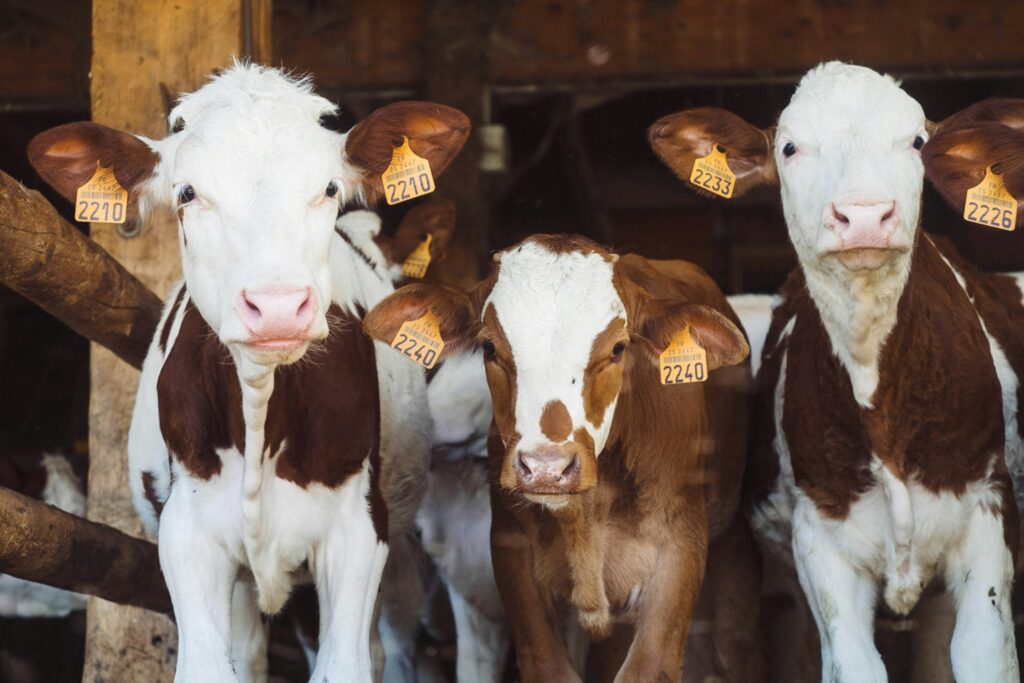
This summer exposed the chain of vulnerabilities faced by the agricultural industry, Ella Beadman writes.
The government's new 5% tourism tax and overnight levy is the last thing the UK's hospitality sector needs, says William Cash

The new government protocol raises concerns about whether young people are getting the necessary exposure they need in their early careers

What happens when the technology that could one day threaten humanity begins to destroy the institution responsible for warning us about it?

As speculation mounts over further tax rises, Britain’s ultra-rich investors and job creators are choosing to take their wealth elsewhere.

In an exclusive op-ed for Mace, hospitality industry leader Robert Richardson sets out why the sector must do more to become accessible to young families.

End Fuel Poverty Coalition coordinator Simon Francis examines the four stories politicians hear about electricity and gas, and argues that the fight over which story shapes the agenda

Seasoned Farage aide-de-camp Gawain Towler reflects on Reform's first ever Business Day at the NEC - and what it's like when a media grenade goes off during the

Britain’s farmers have battled repeated heatwaves and droughts, but MP John Cooper says the government’s Family Farm Tax is piling further pressure on an industry that desperately needs