Why AfD’s election win in Saxony-Anhalt has upended the political consensus in Germany
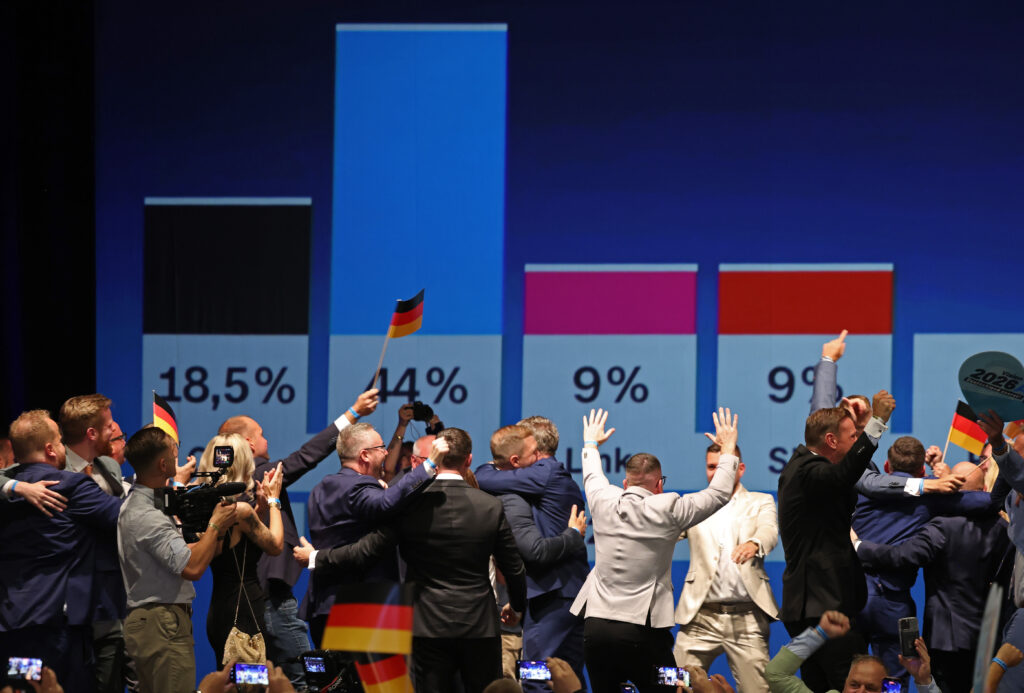
After walking through Saxony, James Jeffrey is not surprised by the AfD’s dramatic election win in Germany.

As the UK commits further funding to Ukraine’s reconstruction, British companies are expanding their involvement in energy, finance and defence, creating new opportunities for long-term economic cooperation.
Ukraine remains at war, but efforts to rebuild its economy are already under way. British companies are becoming increasingly involved, supported by government financing and closer economic ties between London and Kyiv.
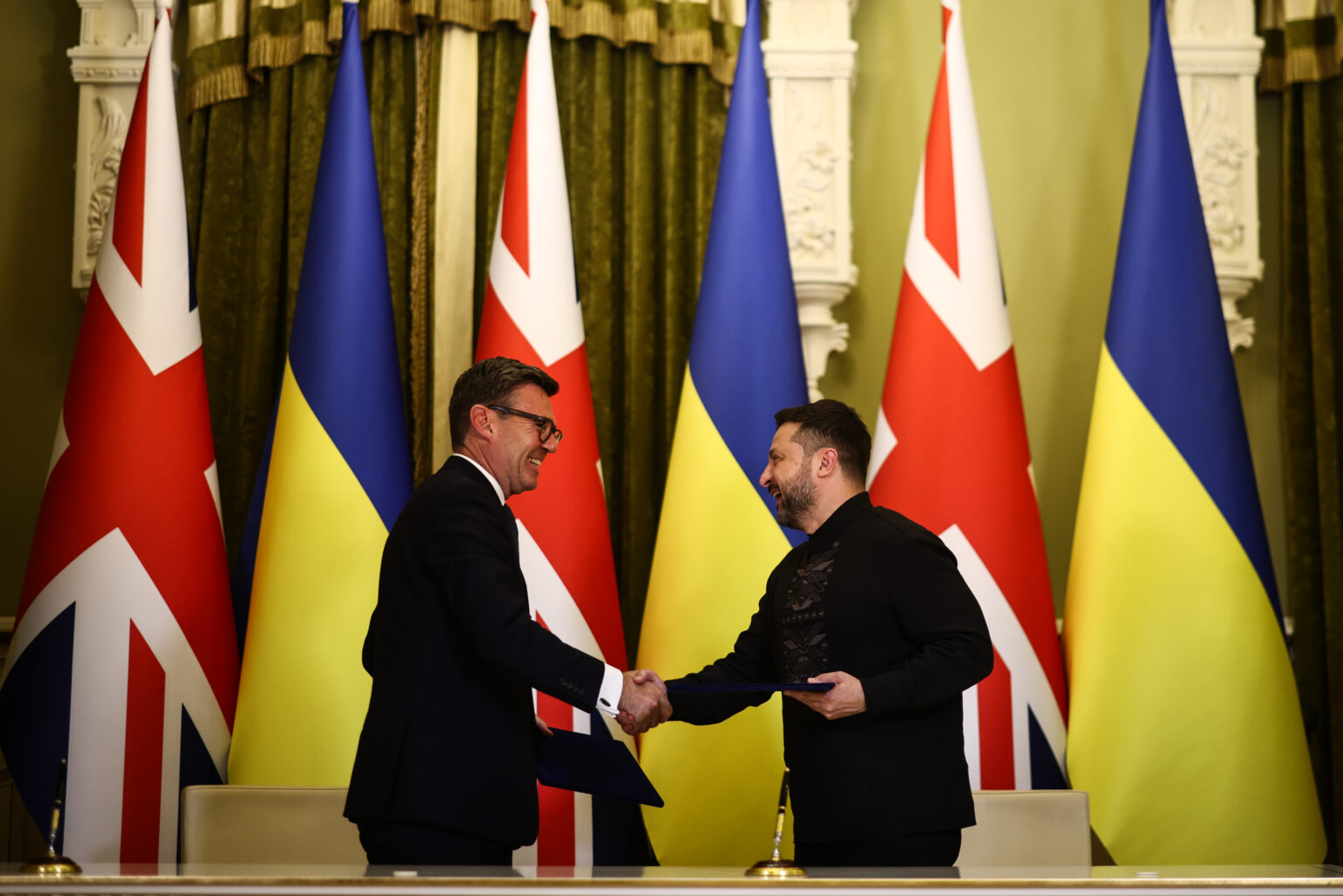
In June 2026, the UK announced a package of nearly £290 million in bilateral assistance to support Ukraine’s recovery and energy security. The announcement, made at the Ukraine Recovery Conference in Gdańsk, Poland, was accompanied by measures to support nuclear fuel supplies, renewable energy and Ukrainian businesses. Foreign Secretary Yvette Cooper said the investment would strengthen cooperation between British and Ukrainian companies and deliver long-term economic benefits for both countries.
The scale of the challenge is considerable. According to a joint assessment published by the World Bank, the Ukrainian government, the European Commission and the United Nations in February 2026, Ukraine will need almost $588 billion for reconstruction and recovery over the next decade. The estimate covers damage recorded up to 31 December 2025 and therefore excludes destruction caused during 2026.
International assistance remains essential, particularly for rebuilding damaged housing, energy facilities and transport networks. However, public funding alone is unlikely to cover the full cost.
Private investment will therefore have an important role in determining the scale and pace of Ukraine’s reconstruction.
Britain’s economic relationship with Ukraine began to evolve well before Russia’s full-scale invasion in February 2022.
In October 2020, the two countries signed the Political, Free Trade and Strategic Partnership Agreement. This was followed by the Digital Trade Agreement, which entered into force in September 2024, and the 100-Year Partnership Agreement, signed in January 2025. Together, these agreements established a framework for closer trade and investment cooperation.
According to official UK trade statistics, British exports of goods and services to Ukraine reached £1.3 billion in 2025.
The focus is now extending beyond immediate assistance towards long-term commercial relationships. For British businesses, reconstruction presents opportunities to secure contracts and establish a presence in the Ukrainian market. Ukrainian companies, meanwhile, stand to gain access to investment, technology and international partners.
Energy is one of the clearest examples of this growing partnership.
In June, UK Export Finance (UKEF) announced a £210 million loan guarantee enabling Urenco, a British-headquartered uranium enrichment company, to supply enriched uranium to Ukraine’s state nuclear energy operator, Energoatom, over the next two years. The agreement is intended to help maintain electricity supplies amid continuing Russian attacks on Ukraine’s energy infrastructure.
More than a third of the uranium content will come from Urenco’s processing plant in north-west England, supporting British jobs and exports in the nuclear sector.
Investment is also being directed towards renewable energy and banking. In June, British International Investment (BII) announced plans to invest up to £65 million, working alongside the European Bank for Reconstruction and Development (EBRD). Using existing UK development funding, the investment will support the construction of two wind farms and expand lending to Ukrainian businesses through the Bank of Lviv.
Defence is another area in which commercial ties are expanding.
In July, the Ministry of Defence selected Audere Group, a British small business, to establish the Kyiv Business Centre. The centre is intended to provide UK companies, particularly small and medium-sized enterprises, with a permanent base from which to engage with Ukrainian manufacturers and develop commercial partnerships.
Initially focused on defence and security, the centre is expected to expand its activities into reconstruction and other sectors. It is scheduled to become fully operational later in 2026, subject to security and operational conditions.
The question is not only how much Ukraine needs for reconstruction, but where the money will come from.
Government grants remain essential for maintaining vital public services and rebuilding critical infrastructure. Development banks and private investors, meanwhile, can help finance projects capable of generating commercial returns.
Export credit guarantees offer another source of support. By reducing financial risks for lenders, they can make it easier for British companies to secure contracts in Ukraine.
The UK has established a £3.5 billion export finance cover limit through UKEF for reconstruction and defence projects. This is financing capacity available to support eligible transactions, rather than £3.5 billion in direct government expenditure.
The distinction matters. Announced financial commitments, approved guarantees and money actually invested are not interchangeable measures of progress.
The opportunities are significant, but so are the risks.
Russian attacks continue to threaten infrastructure and supply chains, while high insurance costs and restricted access to finance make investment more difficult. These challenges affect both international investors considering projects in Ukraine and domestic businesses seeking to expand.
In December 2024, the EBRD and insurance broker Aon launched a war-risk insurance initiative backed by a guarantee of up to €110 million. The scheme is designed to encourage international reinsurers to cover certain war-related losses insured by Ukrainian companies, making commercial activity easier to finance.
Questions also remain over how reconstruction contracts are awarded.
Ukraine has introduced digital procurement tools intended to increase transparency in public spending. Its electronic procurement system, Prozorro, is integrated with the DREAM reconstruction platform, allowing the public to track information about recovery projects, procurement procedures and related contracts.
Transparency alone, however, does not guarantee fair competition. As international investment increases, Ukrainian businesses will need opportunities to compete for reconstruction contracts alongside larger foreign companies.
Britain’s expanding commercial presence presents opportunities to support Ukraine’s reconstruction while opening new markets for British industry.
The Urenco agreement, planned investments in renewable energy and banking, and the Kyiv Business Centre illustrate how this relationship could develop. Together, they reflect a move towards economic cooperation that extends beyond immediate wartime assistance.
The more revealing measure, however, will be what happens after these announcements. How much investment will actually reach Ukraine? How many projects will be completed? And how many Ukrainian companies will benefit from the new partnerships?
For both countries, the long-term value of reconstruction will depend on whether financial commitments translate into functioning infrastructure, sustainable businesses and lasting economic ties.
After walking through Saxony, James Jeffrey is not surprised by the AfD’s dramatic election win in Germany.
Andy Burnham has promised to keep the pressure on Russia despite Moscow’s “outrageous threats”, on his first official overseas visit to Ukraine as Prime Minister.

Andriy Dovbenko is a Ukrainian-born, London-based entrepreneur who works extensively across the UK and Ukrainian defence.

A former politician who held a number of senior roles in the UK Parliament over a decade, Brooks is now Founder and Chairman of Trypillian, a British-Ukrainian defence

Since March 2022, the UK has granted more than 286,000 visas to Ukrainians making London the destination of choice for young global talent. Anya Bryzhko explains why the

How Angela Merkel Weakened the West and Handed Putin and Xi Leverage

The most highly anticipated stock market debut of the year, perhaps of all time, has delivered a huge win for UK investors.

The reform concerns a pre-existing law on the Regulation, Authorisation and Restriction of Chemicals (REACH) and has been in place since June 2007.

King Charles’s address to Congress was designed to steady a strained special relationship. Twelve standing ovations later, the Palace had given Downing Street something politics could not: a

As the Iranian conflict continues, maritime trade bodies have warned of the significant loss of human life thus far.
