Yermak’s Resignation Sends Shockwaves Through Kyiv and Europe

Mace | 29th November 2025 | Brussels, International, Moves, Uncategorised
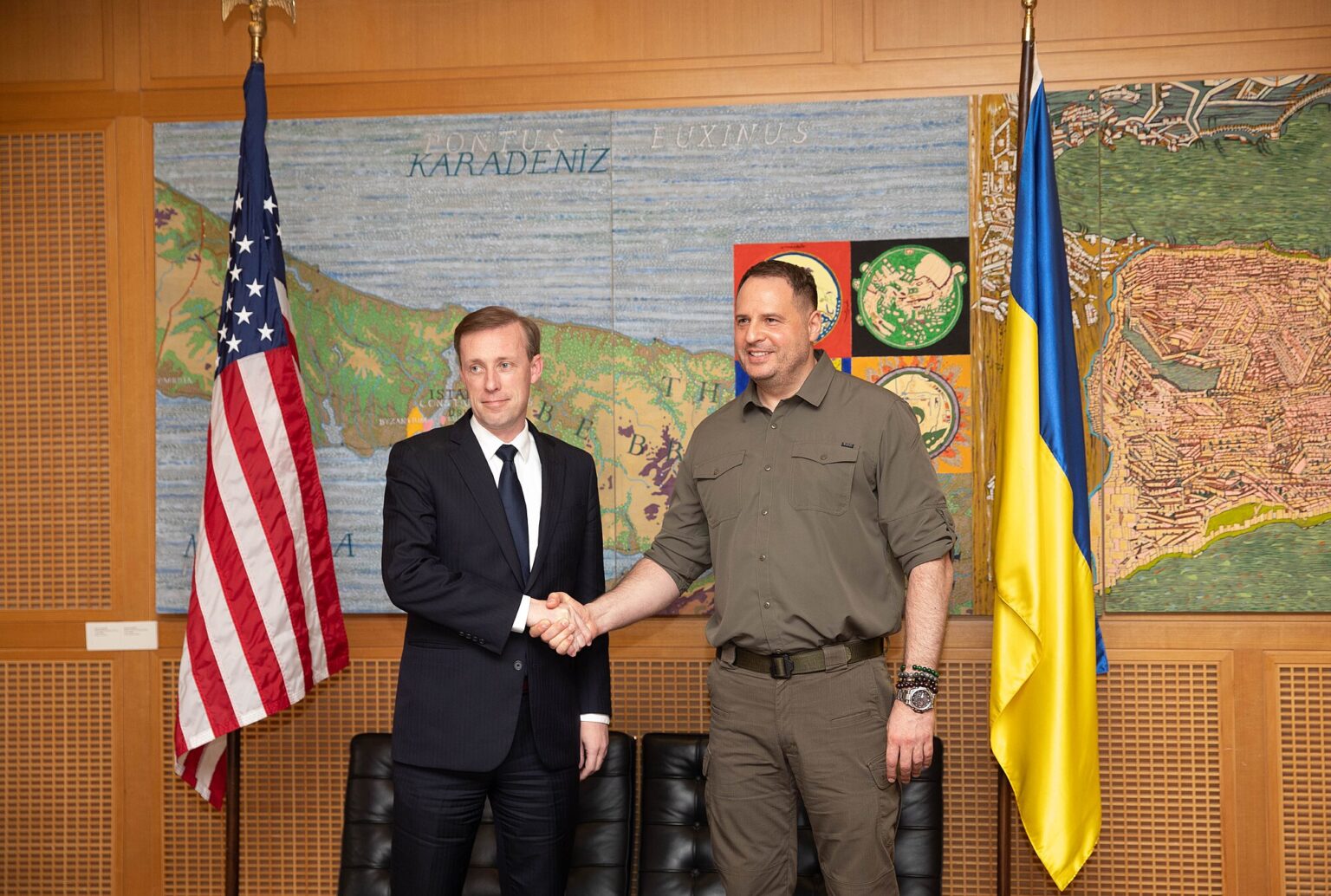
Andriy_Yermak_and_Jake_Sullivan_in_Istanbul_(2022-10-02)

The resignation of Andriy Yermak after anti-corruption raids disrupts Ukraine’s leadership and triggers uncertainty across Europe during a critical phase of the war.

Ukraine’s leadership has been shaken after the resignation of Andriy Yermak, the head of the presidential office and chief negotiator for peace talks, a move that is reverberating across Europe and sending fresh uncertainty through Kyiv’s wartime agenda. Yermak stepped down on 28 November 2025 after anti-corruption authorities searched his home in connection with a widening scandal at the state nuclear energy company. His departure follows a dramatic raid by the country’s anti-graft agencies and marks one of the most serious political blows to date for President Volodymyr Zelenskiy’s administration. The investigation centres on alleged kickbacks amounting to nearly $100 million at the state nuclear energy firm, which has already resulted in the arrest of a former deputy prime minister. While Yermak himself has not been formally charged, his close ties to individuals under scrutiny and his prominent role as power broker in the presidential office rendered his position untenable. Public and political pressure had mounted for days in Kyiv. Yermak had been a central figure in Ukraine’s wartime governance, combining roles as negotiator, presidential chief of staff, and member of both the security council and the supreme commander-in-chief headquarters. His influence stretched across foreign policy, military supply coordination, and internal appointments. His exit removes a key conduit between Kyiv’s political leadership and its war-time administration. Western partners and European institutions have taken notice. The resignation triggered immediate concern over the stability of Ukraine’s negotiating apparatus just weeks before scheduled talks aimed at securing international support and managing peace proposals. Observers in Brussels and Washington are reportedly reviewing implications for ongoing diplomatic efforts and conditional aid tied to governance and anti-corruption reforms. Inside Ukraine the reaction has been mixed. For many citizens, the resignation is a sign that anti-corruption institutions are finally being allowed to act, even at the highest levels of power. For others, it raises fears that the vacuum left by Yermak’s departure could lead to paralysis or infighting within the presidential office at a time when national unity is critical. The sense of unease has spread rapidly. Leadership in the presidential office is now in flux. Zelenskiy has announced that consultations will begin immediately to appoint a successor, acknowledging the need to maintain cohesion but emphasising that Ukraine’s defence and negotiation efforts must continue. The decision to reorganise the office reflects both the domestic pressure to show accountability and the external imperative to project stability to allies. Russia and its Kremlin-aligned media have seized on the turmoil, with calls from Moscow portraying Kyiv as gripped by a deep political crisis. The Kremlin is using the opportunity to amplify doubt about Ukraine’s leadership and to press for concessions in ongoing negotiations. The timing of the leadership shake-up is therefore likely to influence Moscow’s propaganda narratives as well as diplomatic manoeuvres. ( Among Ukraine’s European neighbours the ripple effects are beginning to show. Several EU capitals that have backed Kyiv’s war effort now face pressure to reassess short-term plans for further sanctions relief, reconstruction funding, and support packages tied to governance reforms. Confidence in Ukraine’s ability to manage both war and internal governance simultaneously has been shaken. The reshuffling at the top comes at a critical moment for peace diplomacy and European unity. Kyiv’s negotiating team had been preparing for fresh talks with the United States and international partners over a potential ceasefire framework and long-term security guarantees. Yermak’s departure could complicate or delay those plans, raising questions about who will lead Ukraine’s delegation and whether any agreement can hold under renewed political uncertainty. For now Ukraine remains at war with Russia, and the pressure to balance military resistance, internal reform, and diplomatic negotiation has never been greater....

Subscribe to The Mace

Join the member community shaping British politics and stay ahead of what's really happening in the world of politics and public affairs, with expert analysis, breaking news, and insider insights from Westminster and Brussels. The Mace is the leading news source and resource for the government affairs industry, offering required reading and lobby intelligence for professionals.

To see what you are missing out on by not subscribing to The Mace, click here to download our full membership info-pack. This includes having no paywall on op-ed content or profiles/interviews, allowing professional profiles to be read with maximum impact and visibility by government, special advisers, MPs, peers, civil servants, and policy and political decision-makers.

The Seldon Slap

Mace | January 31, 2020

Sir Anthony Seldon's new book goes down well with Olly Robbins
Aggers for PM?

Mace | January 31, 2020

Jonathan Agnew – a politician?

They’ll do it Allison’s Way

Mace | January 31, 2020

Allison Pearson hosts a dinner for the bravest pro-Leave writers

A Bit of Sly and Laurie

Mace | January 31, 2020

Hugh Laurie on what Dickens would have made of Brexit

The Clown Prince Ascends to his Throne

Mace | January 29, 2020

There’s plenty of egg-on-face - or just embarrassed silence - for the many pundit hacks, often former Tory colleagues of Boris, who wrote him off as a priapic
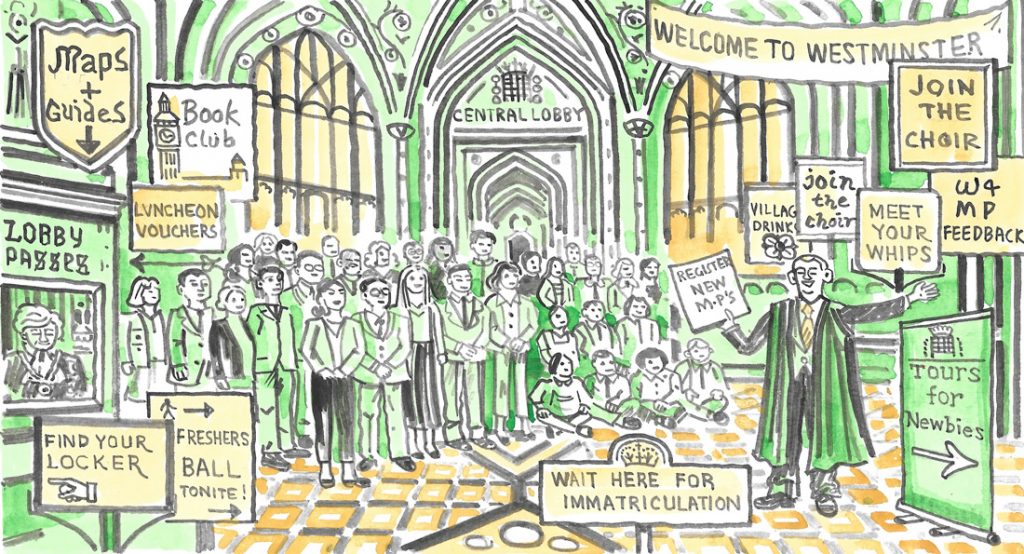
Meet the Class of 2019

Mace | January 28, 2020

George Peel surveys the best of the new crop and finds much to celebrate in all the parties
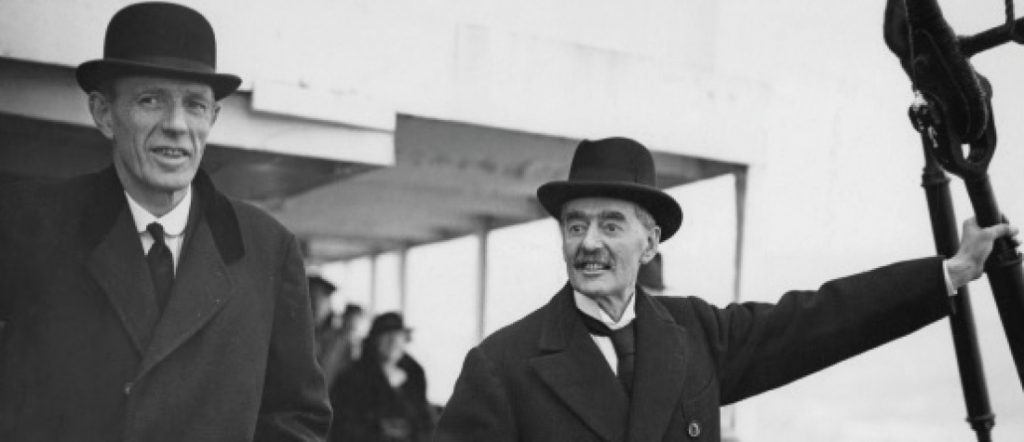
The Lesson of Munich

Tim Congdon | January 28, 2020

The Establishment has been wrong before, notes Tim Congdon. Is it so crazy, he asks, to think that it might be wrong again?
Diplomat from Down Under: George Brandis

Mace | January 24, 2020

Australia’s top envoy in London reflects on moving from politics to diplomacy and on the deep historical ties that bind his country with the United Kingdom.

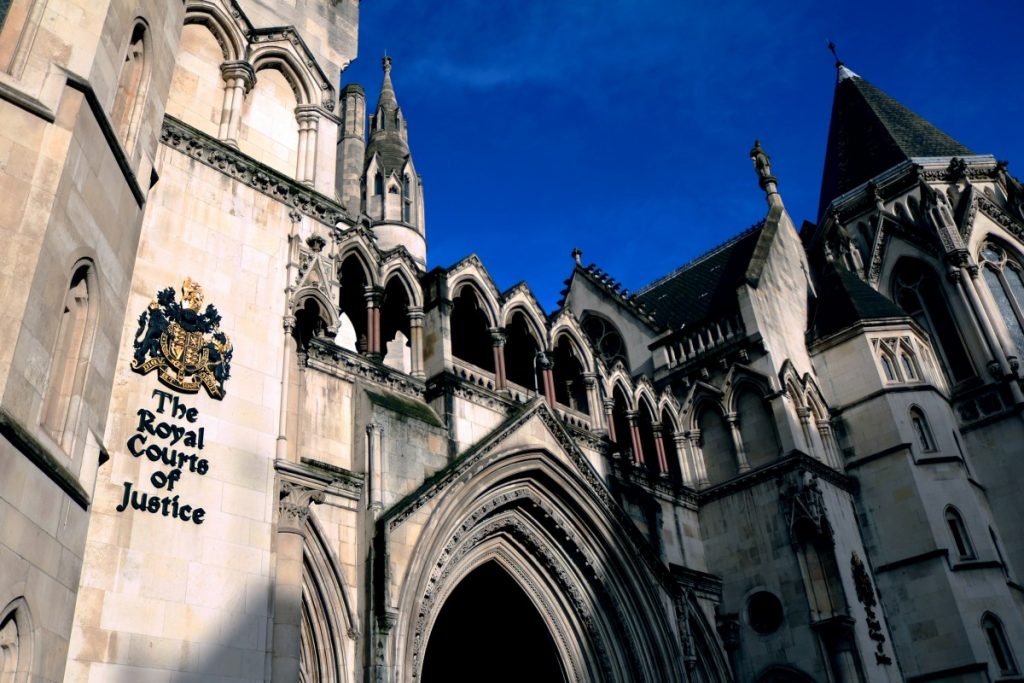
Who are the key players in justice today?

Christopher Jackson | January 21, 2020

Christopher Jackson provides an update of a department about to enter a period of considerable flux.
A New Magazine for a New Parliament

Mace | January 16, 2020

When the clocks struck 11pm on 31 January, it was the end of our 45-year relationship with the EU.