Did Burnham rule out an early election too soon? The polling suggests so
Labour is riding high on the so-called ‘Burnham Bounce’, but Kemi Badenoch is steadily catching up
For Burnham, changing the electoral system is also about changing the way Westminster operates
On 29 September, speaking at the Labour Party conference in Liverpool, Prime Minister Andy Burnham announced a National Commission on Electoral Reform, pledging to change the voting system “so that everyone’s vote counts and everyone’s voice is heard”.
Yet research published by Policy Exchange on 23 November reveals a different attitude towards political participation: 49% of Britain’s higher professionals believe people should pass a civic responsibility test before being allowed to vote. While Burnham wants votes to be better reflected in Parliament, a substantial proportion of those surveyed would place additional conditions on the right to vote itself. How, then, should Britain reform its democracy?
Why Does Burnham Want Electoral Reform?
For Burnham, changing the electoral system is also about changing the way Westminster operates. “Westminster prizes point-scoring over problem-solving,” he told the Labour conference, warning that a party could form a government with less than 30% of the vote.
Burnham invited all political parties to participate in the commission and confirmed that electoral reform would feature in Labour’s next general election manifesto. The growing electoral support for Reform UK and the Greens has put increasing pressure on a system that has historically favoured Labour and the Conservatives. According to the November edition of UCL’s Constitution Unit Monitor, Burnham appears to favour greater proportionality alongside preferential voting, having previously argued that the Supplementary Vote used in mayoral elections encourages politicians to reach across party lines. However, no specific model has yet been announced.
Is First Past the Post Still Fit for Purpose?
The results of the 2024 general election illustrate why reform is back on the political agenda. According to the House of Commons Library, Labour secured 411 seats, representing 63.2% of the Commons, with just 33.7% of the vote. Reform UK won five seats with 14.3%, while the Green parties received 6.7% and secured four seats. Under first past the post (FPTP), a candidate needs more votes than any other candidate in their constituency, rather than an outright majority. Supporters of the existing system argue that it provides clear political accountability and makes single-party government more likely.
“First past the post creates a clear and direct link between Members of Parliament and the people we represent,” Conservative MP Paul Holmes said during a Westminster Hall debate on 24 June.
What Are Britain’s Electoral Alternatives?
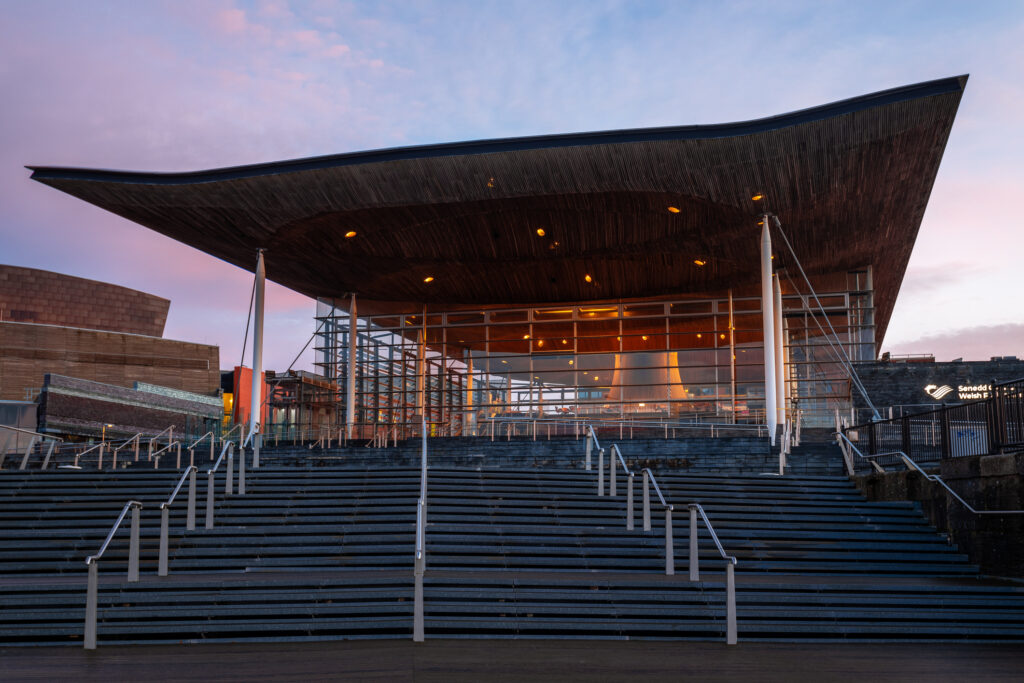
Britain already has experience with several forms of proportional representation (PR). In May 2026, Wales introduced a closed-list system for Senedd elections, with 96 members elected across 16 constituencies. Voters choose a political party or an independent candidate.
According to the Electoral Commission, the Single Transferable Vote (STV), used in Northern Ireland Assembly elections and Scottish local elections, allows voters to rank candidates in multi-member constituencies.
Another option is the Additional Member System (AMS), used in the Scottish Parliament and London Assembly. Voters cast separate ballots for a local representative and a regional or London-wide list, with additional seats allocated to improve proportionality.
Both systems retain geographical representation, although proportional systems can make coalition governments more likely. Britain has previously rejected electoral reform. According to the House of Commons Library, 67.9% of voters opposed adopting the Alternative Vote (AV) in the 2011 referendum. However, AV retains single-member constituencies and is not a proportional system.
Should Democracy Have Entry Requirements?
The Policy Exchange findings raise a separate question about the role of political knowledge in democracy. The research, conducted by Focaldata among 2,811 adults between April and May 2026, found that 49% of higher professionals support a civic responsibility test, compared with 43% of the general public. As reported by The Times, 49% of professionals also favour experts making the country’s most important decisions. These views echo epistocracy, a political concept that links political power to knowledge and competence. But who would determine what qualifies someone to vote?
The UN Human Rights Committee considers it unreasonable to impose literacy or educational requirements on voters. Meanwhile, the House of Lords is scrutinising the Representation of the People Bill, which would extend voting rights to 16- and 17-year-olds in elections where the minimum age is currently 18. Could greater investment in civic education address concerns about political literacy without restricting the franchise?
Who Should Decide How Britain Votes?
In September 2025, the All-Party Parliamentary Group for Fair Elections proposed a national commission comprising seven independent commissioners, an expert panel and a citizens’ assembly of around 100 people.
“A manifesto commitment alone would be an insufficient basis for changing the electoral system with legitimacy,” wrote Alan Renwick, Professor of Democratic Politics at UCL, in September.
The proposed structure would allow experts to examine the evidence while giving voters a role in assessing the alternatives.
Burnham’s plans have reopened a debate about how votes translate into political power. But changing the voting system and changing the conditions under which people can vote are two very different reforms. For Westminster, the question is not simply which system produces a more representative Parliament, but how the public participates in deciding what replaces it, if anything.
Labour is riding high on the so-called ‘Burnham Bounce’, but Kemi Badenoch is steadily catching up
With Labour's polling figures improving and a crucial Budget approaching, speculation over an early general election is growing. But could a fresh mandate strengthen Andy Burnham's government, or
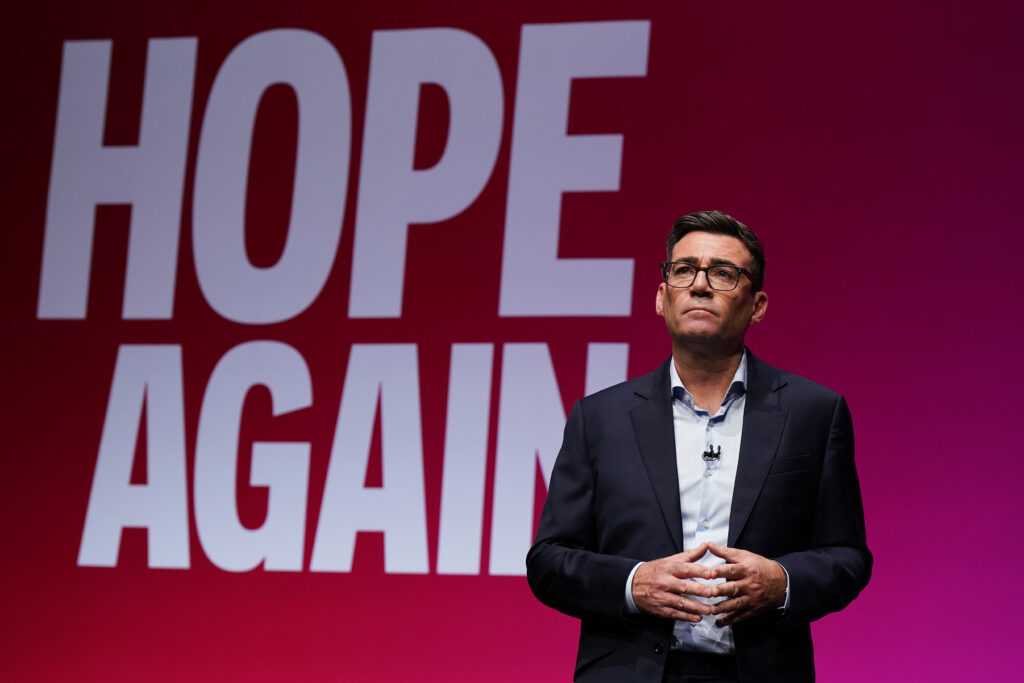
Andy Burnham’s popularity has surged since he came into power, with Labour also moving ahead of Reform in the latest Westminster Voting intention polls.

Is there a connection between Prince Harry's share of a £34 million legal bill and his sudden move back to the UK? The Mace follows the money.
At long last, the week of the by-election triggered by Nigel Farage as a ‘people versus the establishment’ contest has finally arrived, and constituents are preparing to head

Widespread pub closures comes as troubling news for football fans who want a local venue to watch the World Cup this summer.

Nigel Farage has claimed that YouGov are trying to "suppress the true figures" when it comes to Reform's polling success.

Cavendish latest polling signals the end of Labour's dominance in Wales and a shift away from two party politics
Political polling is undergoing a transformation as artificial intelligence offers instant insights from digital platforms and AI chatbot simulations, Harvard’s Ash Center reports. AI polling may match traditional
