Labour is riding high on the so-called ‘Burnham Bounce’, but Kemi Badenoch is steadily catching up
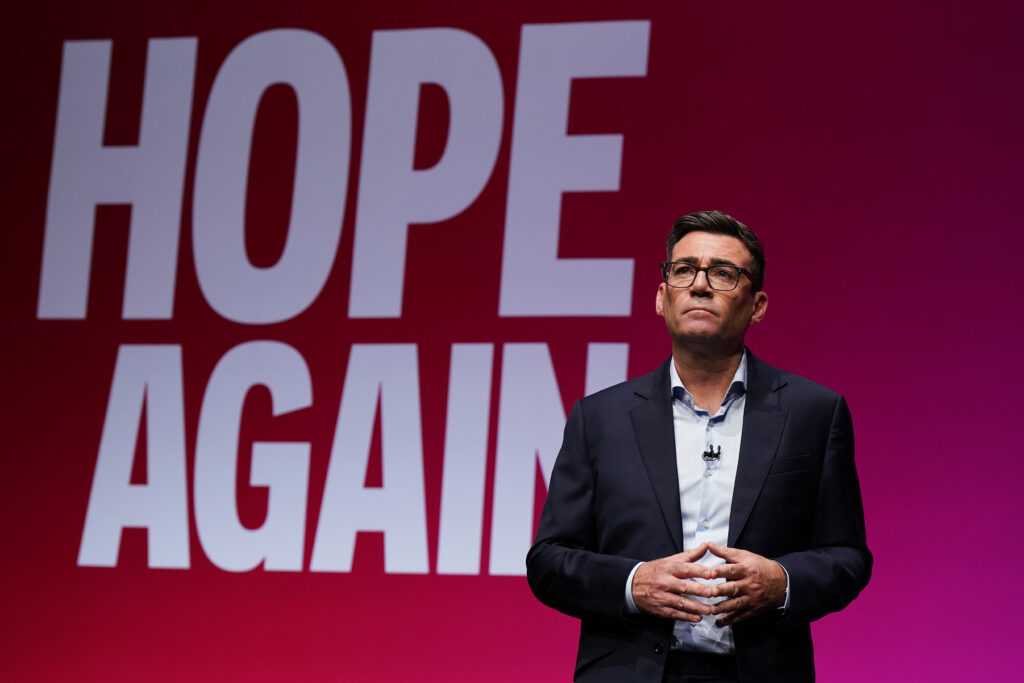
Andy Burnham’s net approval has been consistently positive since becoming prime minister, yet in September his approval peaked at plus 12, which is an abnormally high score – and one that most other major party leaders can’t boast in an age of deeply unpopular politicians.
Some of Burnham’s moves so far that have been well received by the public include capping bus fares at £2, scrapping the 5 per cent VAT on energy bills, and creating No 10 North. Another major talking point for Burnham has been changes to the early release scheme for prisoners, meaning anyone convicted of manslaughter or allowing the death of a child would be excluded.
The new government has also implemented some smaller but popular rules, such as an “industry-wide” campaign to stop people playing loud audio without headphones on in public spaces, as well as a drive to stop loud music, vaping and littering on public transport by issuing fines of up to £1,000.
There have also been some fiscally conservative policies, such as increasing North Sea gas production. The Jackdaw field, off Aberdeen, is the UK’s largest known untapped gas reservoir and has just passed an environmental assessment to be drilled.
However, as the honeymoon period begins to fade, enthusiasm for the new prime minister has begun to level out. There is an enormous range between the pollsters, with some having Burnham more popular than Badenoch, and others less popular.
Standing alone, the Conservatives have also been enjoying polling success. They have recorded their highest level of support since the general election, coming within two points of Labour according to YouGov.
“The Tories now seem to be attracting younger voters who are drawn in by the party’s pledges to cut taxes”
Nearly one in four voters (24 per cent) now say they would back Kemi Badenoch if an election were held tomorrow – up two points in a single week. This figure is similar to the 23.7 per cent of voters who supported the Tories in the last general election under Rishi Sunak, yet is far higher than the 17 to 19 per cent which the party had been polling for most of this year.
The Tories now seem to be attracting younger voters who are drawn in by the party’s pledges to cut taxes. According to recent figures, some 17 per cent of voters aged between 18 and 24 intend to back the party, a higher figure than the Lib Dems and Reform UK combined. However, Labour still remains the party of choice for 29 per cent of young voters, while 28 per cent back the Green Party.
With Labour riding a consistent polling high, it would be an ideal moment to call a snap election. Furthermore, with the Conservatives inching up the polls, they could become a stronger threat as time goes on – especially amidst the fragmentation of Reform and Restore. However, Burnham has nevertheless vowed against an election in the next 12 months – but has that been his biggest political misjudgment yet?