UK’s economic stability starts at sea, says the CEO of the Chamber of Shipping

Mace | 28th April 2026 | Comment, Policy & Think Tanks, Politics
Rhett Hatcher

Shipping moves 95 per cent of the UK’s trade. Most of the time, this happens smoothly until there is a global crisis, writes Rhett Hatcher, CEO of the Chamber of Shipping

In moments of regional (the Gulf) or global (COVID) crisis, shipping becomes visible in a way the country rarely notices. Supply chains tighten, routes come under pressure, and the system that powers the economy moves rapidly from the background to the centre of national attention. That is where we find ourselves now. Conflict in the Gulf and the impact of this on the Strait of Hormuz show how quickly a regional issue results in a domestic one for the UK. This is one of the most important arteries of world trade. When it comes under pressure, vessels are delayed, energy shipments face uncertainty, and the UK’s economic rhythm is disrupted almost immediately. What is often treated as distant geopolitical risk suddenly becomes a direct challenge to national economic stability. Seafarers feel this strain long before anyone else. They keep goods moving through areas of heightened risk while facing increased threat levels, longer rotations at sea and greater uncertainty about what lies ahea...

Subscribe to The Mace

Join the member community shaping British politics and stay ahead of what's really happening in the world of politics and public affairs, with expert analysis, breaking news, and insider insights from Westminster and Brussels. The Mace is the leading news source and resource for the government affairs industry, offering required reading and lobby intelligence for professionals.

To see what you are missing out on by not subscribing to The Mace, click here to download our full membership info-pack. This includes having no paywall on op-ed content or profiles/interviews, allowing professional profiles to be read with maximum impact and visibility by government, special advisers, MPs, peers, civil servants, and policy and political decision-makers.


Fine words from Defra butters no parsnips

Gilbert Greenall | February 1, 2022

Can new laws make farming pay? If not, our countryside faces the biggest threat for centuries

As the pandemic slows, Britain will continue to succeed

Azeem Ibrahim | January 26, 2022

Boris Johnson may be in trouble, but the Britain he leads is not, argues Azeem Ibrahim
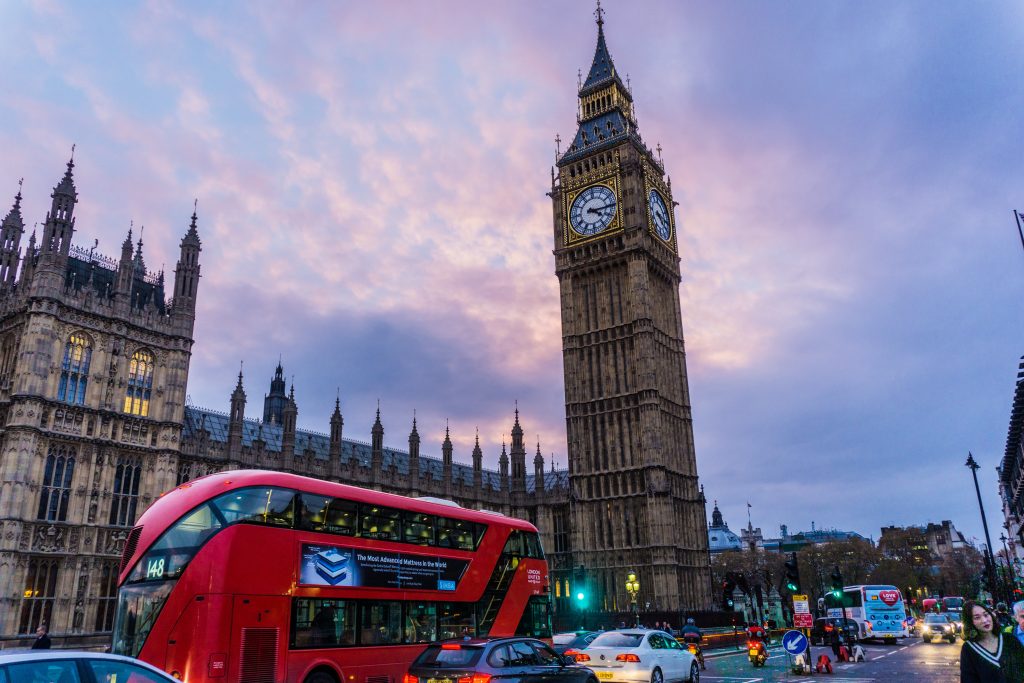
The Diary: Chris Bryant

Chris Bryant | January 21, 2022

MPs apparently rank somewhere between pigeons and rats. Recent polling suggests that things are getting worse

Leading without vision

Lucy Kenningham | January 20, 2022

Premiers are different to the crowd: an electorate teeming with Thatcher’s drive and Blair’s self-belief would be a nightmare

Is the art marketplace misunderstood?

Joanna Van der Lande | January 20, 2022

Propaganda against the market continues to grow, and with it increasing pressure to restrict its activities

Getting meta all the time

Damian Collins MP | January 19, 2022

An extended reality world where people are more cut off from human interaction is a real cause for concern

A strategy for nations’ best interests

Gérard Pogorel | January 18, 2022

True strategic autonomy will do much to strengthen the global economy for the EU and its allies
Sustainable technologies in agriculture will be key to EU Africa partnership

Jerome Barbaron | January 17, 2022

Agricultural inputs and technology can and should be a core part of delivering sustainable development in African agriculture

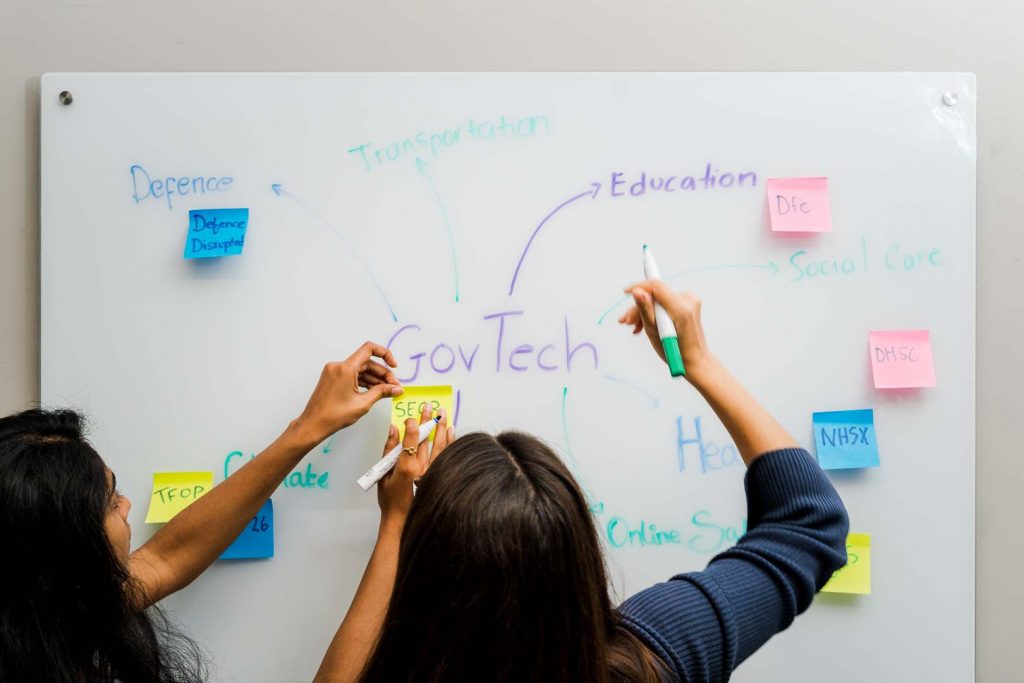
Is GovTech the new FinTech?

Naweed Khan | January 17, 2022

Daniel Korski, CEO and co-founder of PUBLIC, is closing the gap between technology and government
An MEP on… Why Europe must find itself

Marton Gyongyosi MEP | January 14, 2022

Democracy is under attack in Europe
