Treasury still wields too much influence, says ex-Commons clerk
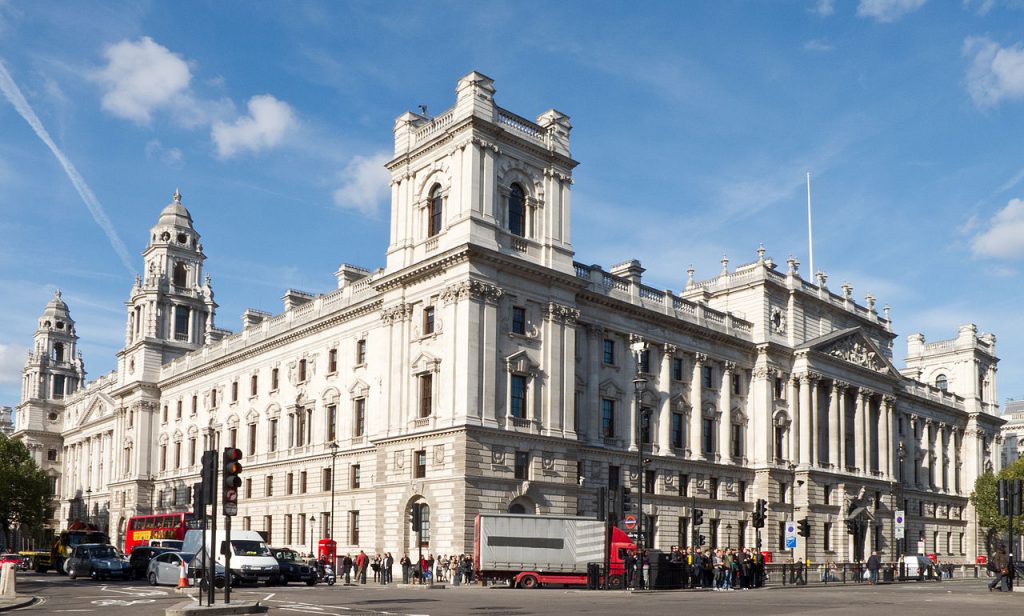
This fortress at the heart of Westminster acts as if it owns the public finances and such a monopolistic attitude is deeply damaging.


As speculation mounts over further tax rises, Britain’s ultra-rich investors and job creators are choosing to take their wealth elsewhere.
The hedge fund founder Chris Rokos has joined the latest tranche of the super-wealthy to leave the UK ahead of the autumn budget.
The founder of Rokos Capital Management, who is worth an estimated £2.6 billion, paid £330 million in tax last year and ranked third in the Sunday Times Tax List 2026. Rokos will now be switching his residency to Greece. This follows the exit of Lakshmi Mittal, the steel billionaire and founder of ArcelorMittal, and Nassef Sawiris, Egypt’s second-richest man.
The Oxford-educated trader founded his hedge fund nine years ago and has built the business into a firm with assets of a staggering $20 billion. His firm which is based in Savile Row, London, employs more than 370 people. Now, he will open an office in Athens as part of his strategic move overseas.
He has also donated a record $190 million to the University of Cambridge to establish a new school of government. He said at the time he wanted to “give something back to Britain.”
The Labour government has thus far introduced several tax changes that target the ultra-wealthy. For instance, taxing the global income of foreigners who live in the UK but have a permanent address elsewhere, and scrapping inheritance tax breaks from overseas trusts. But, instead of wealth creation, it has prompted the ultra-wealthy to leave – taking their spending, investments, and businesses elsewhere. In the time of a dismal youth unemployment crisis, an exodus of job creators could not have come at a worse time.
“Yet another wealth and job creator leaving Britain is bad news for all of us”
Andrew Griffith, newly appointed shadow chancellor of the exchequer, told The Times: “Chris Rokos is Britain’s third-highest taxpayer. He has made huge contributions to charities and educational causes across our country. Yet another wealth and job creator leaving Britain is bad news for all of us.
“Whatever your personal finances, wealth creators leaving the UK means fewer opportunities for young people and leaves the rest of us paying more.”
Other ultra-high-net-worth individuals who have left due to the tax shake-up include: Guillaume Pousaz, the billionaire founder of Checkout.com, who has left for Monaco; Richard Gnodde, Goldman Sachs’ most senior banker in the UK, who has left for Milan; Richard Livingstone, billionaire real estate mogul, who has also moved to Monaco. These are all people who, under the current tax laws, have contributed an eye-watering sum which has given a much-needed boost to welfare and defence. Their departure will be something that impacts the public sector to its detriment – and rather than raising funds for a larger welfare budget, it is the beginnings of a wealth vacuum.
The government said: “The chancellor has made wealth creation one of his top priorities — and the UK is a highly attractive place to live and invest. The UK remains an attractive destination for talent and investment with a competitive and stable tax system, deep capital markets, world-class universities and a highly skilled workforce.”
Furthermore, earlier this year it was reported that constant infighting in government from Labour and from the successive Conservative governments has made Britain a less attractive destination for overseas investment.
Tim Knowles, a Lancashire-based property investor who began his entrepreneurial career by cleaning cars, said: “You could never run a business like this, changing the leader every few years.
“I’m not a political person, but I can see all this hen fighting is bad for the economy and bad for the country. The implications for the bond market are very serious.”
This fortress at the heart of Westminster acts as if it owns the public finances and such a monopolistic attitude is deeply damaging.
Over the last year we’ve seen dozens of MPs switch parties or go independent. But how does such an unexpected move affect their hard-working staff?

Still finding your way around the Palace? Not sure where to sit in the Chamber? Former minister Brooks Newmark is here to assist
