The EU’s Green Deal is not working

Michiel Hoogeveen | 7th November 2023 | Comment
52765798041_e6ca9e15f7_o

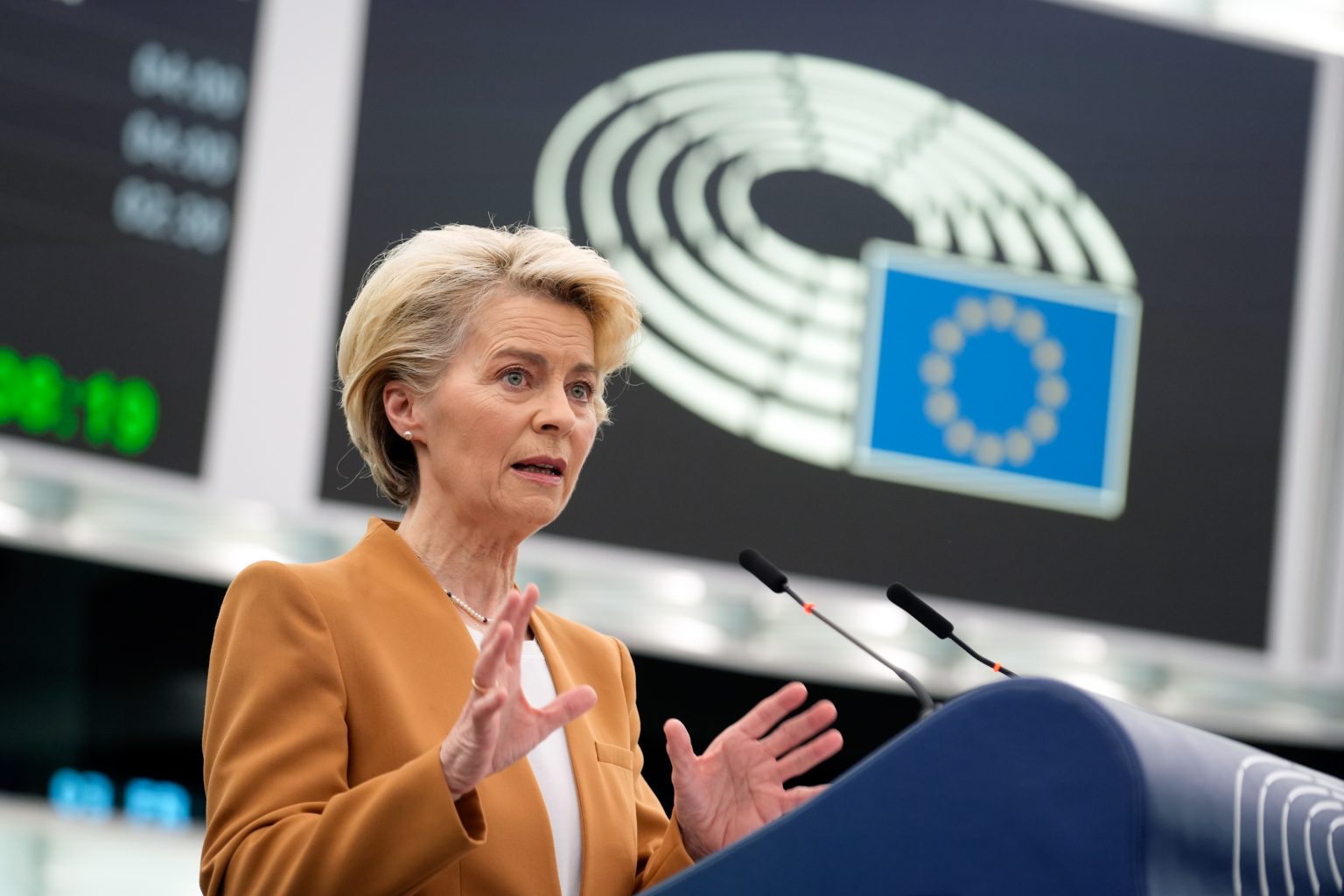
The Green Deal – the flagship priority of the von der Leyen Commission for the past 4 years – is suddenly up for debate.

With European elections now less than 12 months away, political parties across Europe have woken up to the reality that the Green Deal’s proposals will increase costs, lower investment, and endanger traditional jobs and industries across the continent. The political shift has been well-documented – Frans Timmermans’ is heading back to Dutch politics; President Macron now supports a ‘regulatory pause’; a very public fight over the Nature Restoration Law happened just before the European Parliament’s summer recess. Those are symptoms though, not causes. The cause of the falling support for the Green Deal is much simpler: it is not working. Imposing new regulatory-driven trade barriers on everything from steel to coffee to palm oil, is increasing prices for European consumers. Subsidising inefficient and unproven technologies like e-kerosene, and trying to kill off core European manufacturing sectors, is leaving Member States with a huge bill while undermining domestic jobs and investment...

Subscribe to The Mace

Join the member community shaping British politics and stay ahead of what's really happening in the world of politics and public affairs, with expert analysis, breaking news, and insider insights from Westminster and Brussels. The Mace is the leading news source and resource for the government affairs industry, offering required reading and lobby intelligence for professionals.

To see what you are missing out on by not subscribing to The Mace, click here to download our full membership info-pack. This includes having no paywall on op-ed content or profiles/interviews, allowing professional profiles to be read with maximum impact and visibility by government, special advisers, MPs, peers, civil servants, and policy and political decision-makers.


Hiding in plain sight – The UK’s rising accident crisis

Matilda Smith | April 20, 2026

For too long, preventable accidents have been viewed as an afterthought, but more should be done to ensure they do not occur in the first place, writes Matilda

Do clients think they are part of the construction industry?

Rachel Davidson | April 20, 2026

A new guide outlining their roles and responsibilities under the Building Safety Act has prompted some questions about how seriously clients are taking the new safety regime, says

Chris Law MP: From promise to practice: why global human rights commitments keep stalling

Chris Law MP | April 15, 2026

The international order has the tools required to protect people. What is lacks is the will to use them, writes Chris Law MP

Government must go further with AI support

Polly Dhaliwal | April 14, 2026

As the use of artificial intelligence becomes more widespread, the government must do more to support small businesses with AI adoption, writes Polly Dhaliwal

The Strategist: Mark Leftly on the reality of political networks

Mark Leftly | April 13, 2026

Whilst it may seem easy to cast generalisations over Labour MPs, the reality is that most networks date back decades, writes Mark Leftly

Britain’s cleantech companies aren’t starving for capital. They’re starving for commitment

Sarah Mackintosh | April 10, 2026

The funding gap is real, but it isn't a shortage of money. It's a shortage of accountability for not deploying it, writes Sarah Mackintosh.

Net zero is an open goal for Wales

Ben Burggraaf | April 9, 2026

Despite being criticised by some as a costly endeavour, net zero presents a clear opportunity for Wales to benefit, writes Ben Burggraaf

Is everything we know about university wrong?

Oliver Dean | April 7, 2026

Neither Oxford, Cambridge, UCL or KCL find themselves in the top 10 for the 2025 English Social Mobility Index, and Oliver Dean explores why

Will Britain retreat into religious fever?

Oliver Dean | April 6, 2026

Following from Eastern Sunday, religion - and particularly Christianity - seems to be regaining relevance in the British political scene. But will it transform British politics as we

“So clever they can’t tie their own shoelaces”:  Why the Civil Service Fast Stream process needs reform

Lucy Carrier-Pilkington | April 6, 2026

Despite the competitiveness of the elite civil service fast stream, Lucy Carrier-Pilkington warns that it is turning away those with real talent.