Defence spending controversy aside, the UK cannot turn up to NATO empty-handed
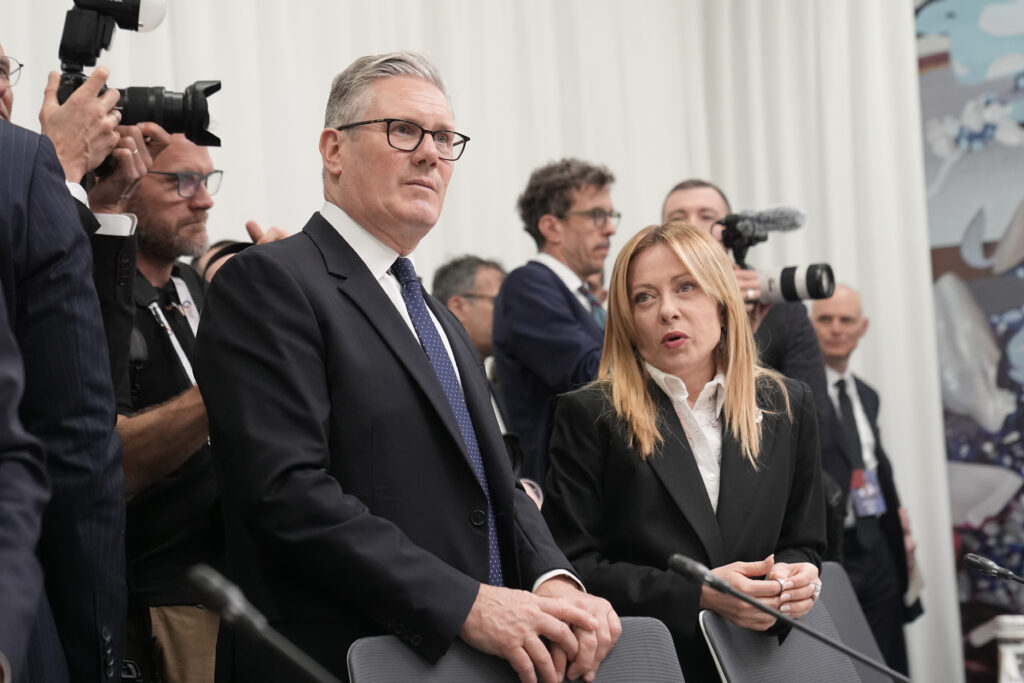
Labour psychodrama is simply not as important as the UK’s diplomatic commitment to its NATO allies.


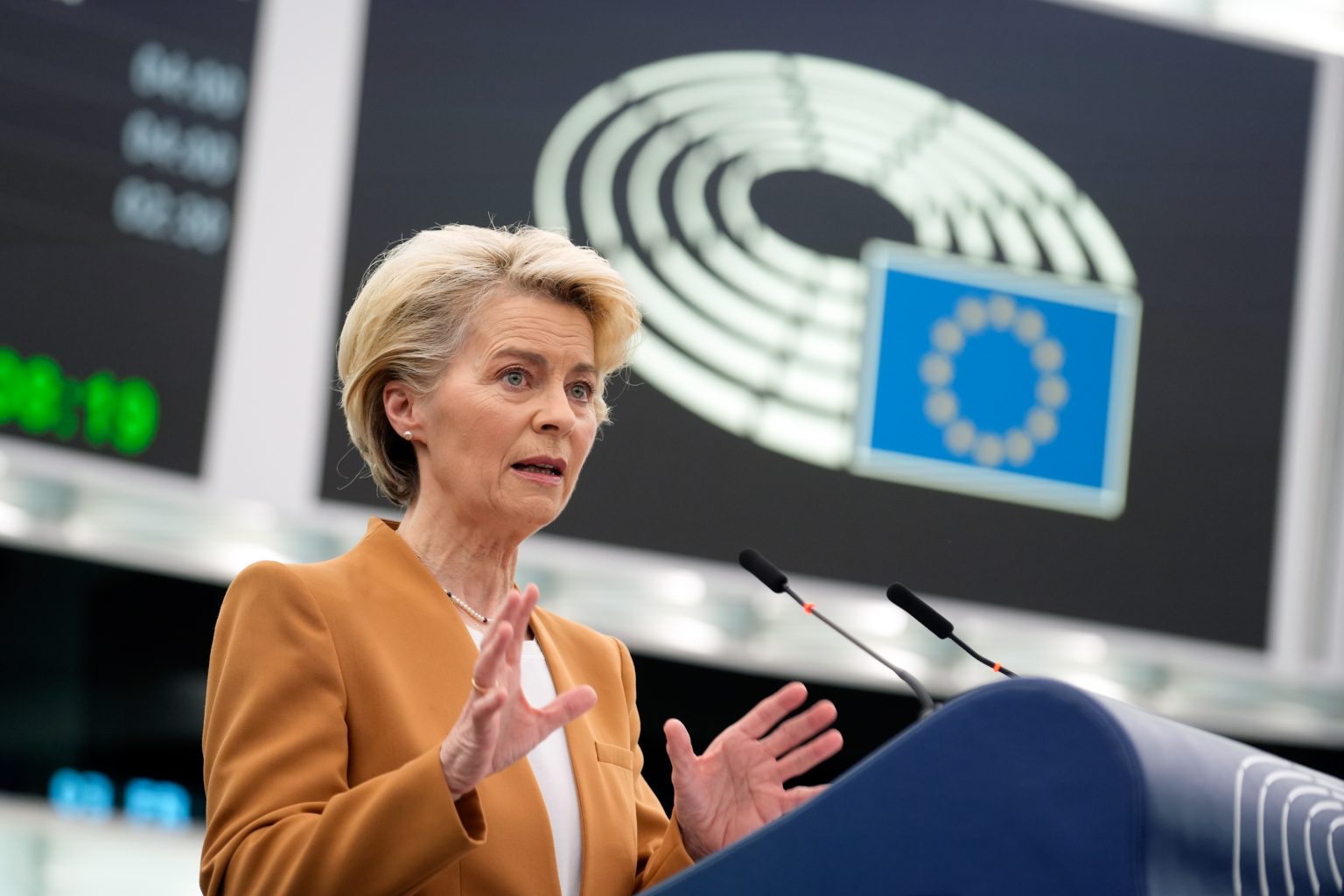
The Green Deal – the flagship priority of the von der Leyen Commission for the past 4 years – is suddenly up for debate.
Labour psychodrama is simply not as important as the UK’s diplomatic commitment to its NATO allies.
The timing and in what circumstances a leader should stay or go are in flux, argues Mark Leftly.

Love or hate the current American administration, at least they have a consistent electoral cycle where the choice of the electorate is upheld.
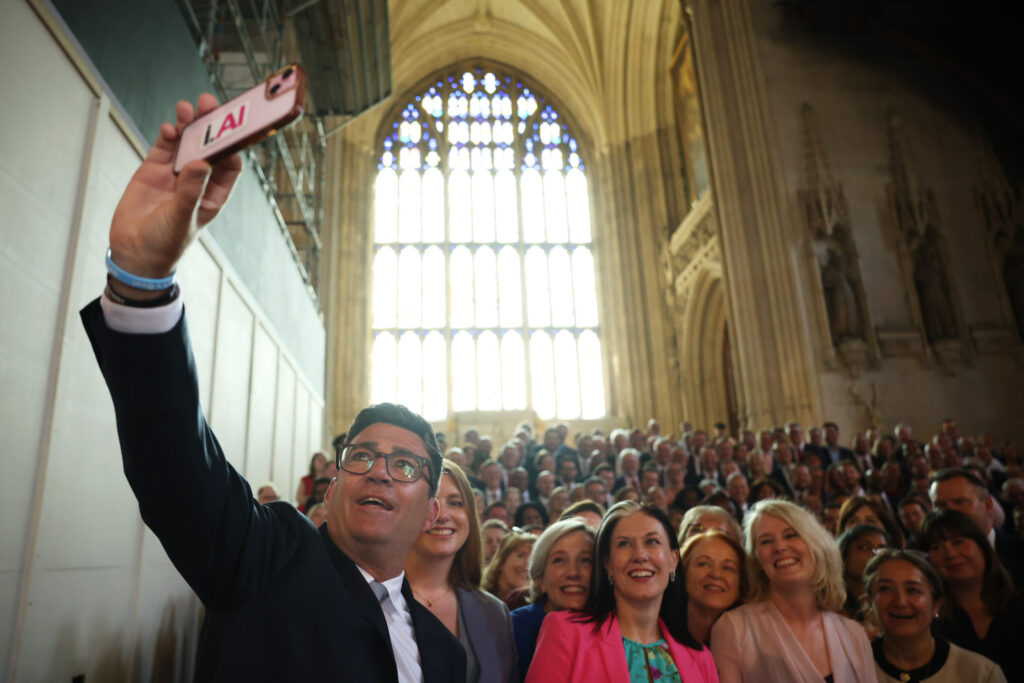
Andy Burnham wants an immediate coronation, but life in Westminster would quickly expose the limits of popular appeal built from a safe distance.
As vultures circle Downing Street, now that Burnham is back as an MP, Starmer must realise that resigning is going to be better for the Labour Party than

What will a Burnham government look like ? Lucy Carrier-Pilkington analyses what a change of prime minister will mean for the country and who will be the likely
With Restore and Reform tearing votes off each other, the Makerfield by-election could propel Andy Burnham into Number 10. But, asks William Cash, will Restore's percentage of the

Creating a Defence Industrial base with no new money is going to be a challenge for any Defence Secretary. But, argues defence expert William Wallace, there are several
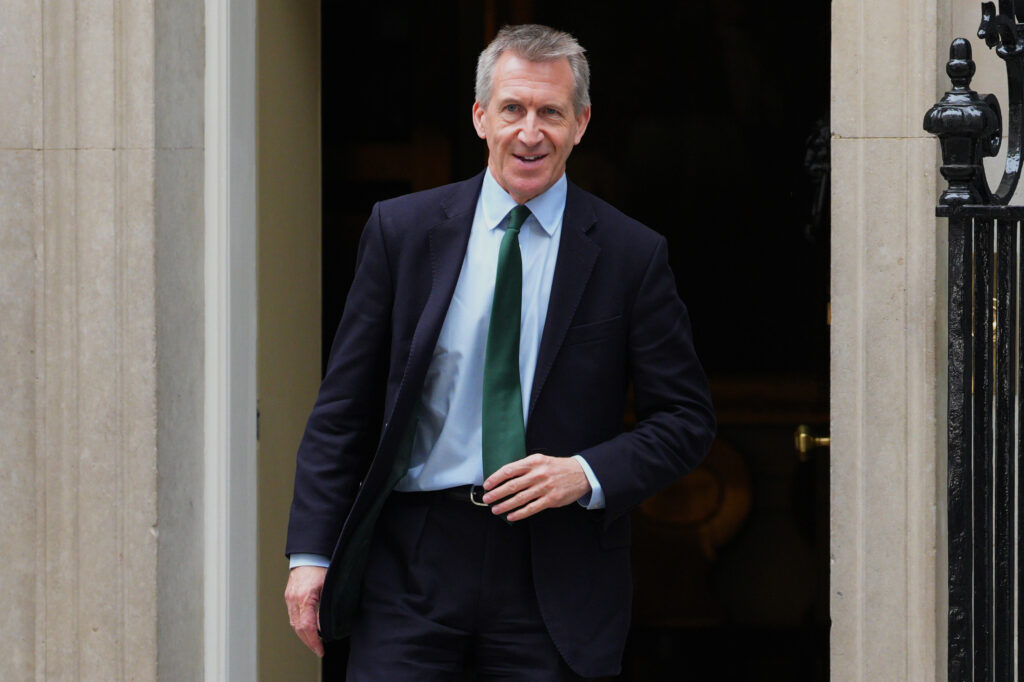
The dismal results of reducing the police force in Scotland should act as a cautionary deterrent for English police reform, writes Sharon Dowey, a former member of the
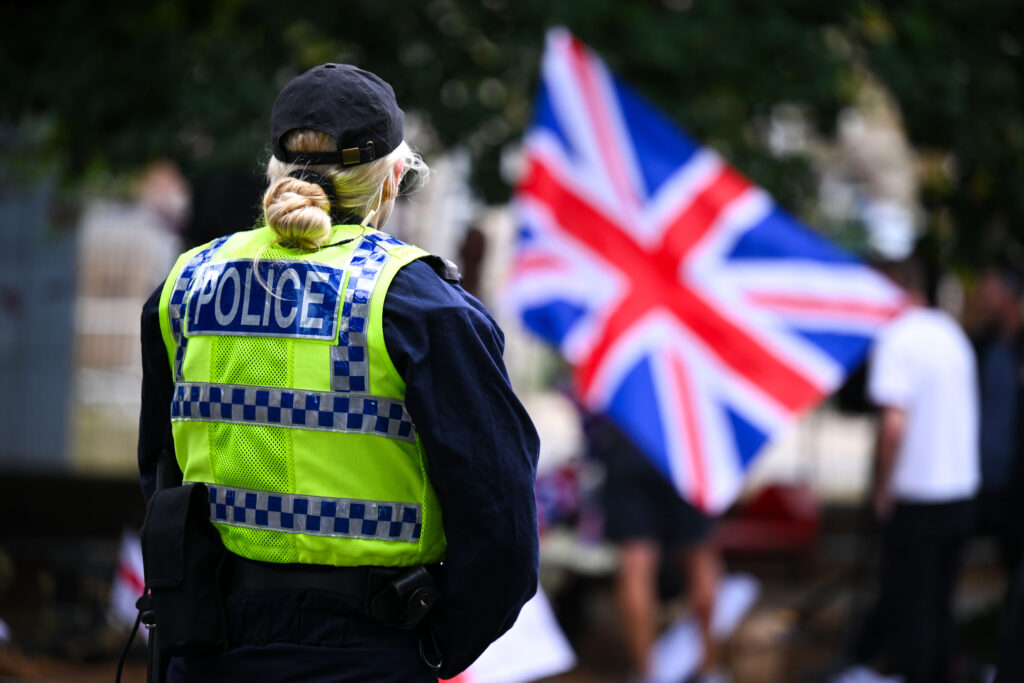
Tristan Breijer is the new London head of Checkmate Government Relations. The move into London gives the US lobby firm its first European base, bringing its global power-broking