UK Borrowing Costs and Sterling Slide as Budget Pressure Builds
UK long‑term borrowing costs have surged to their highest since 1998, with 30‑year gilt yields near 5.7 per cent. Sterling has slumped about 1 per cent against the dollar.
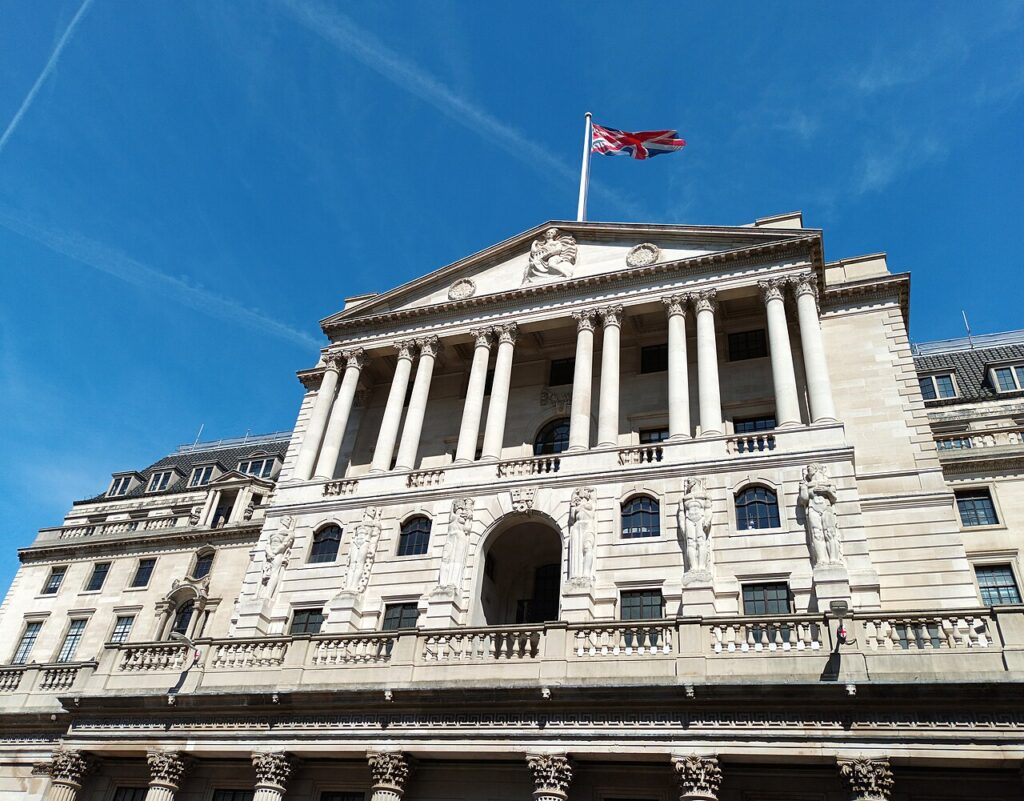

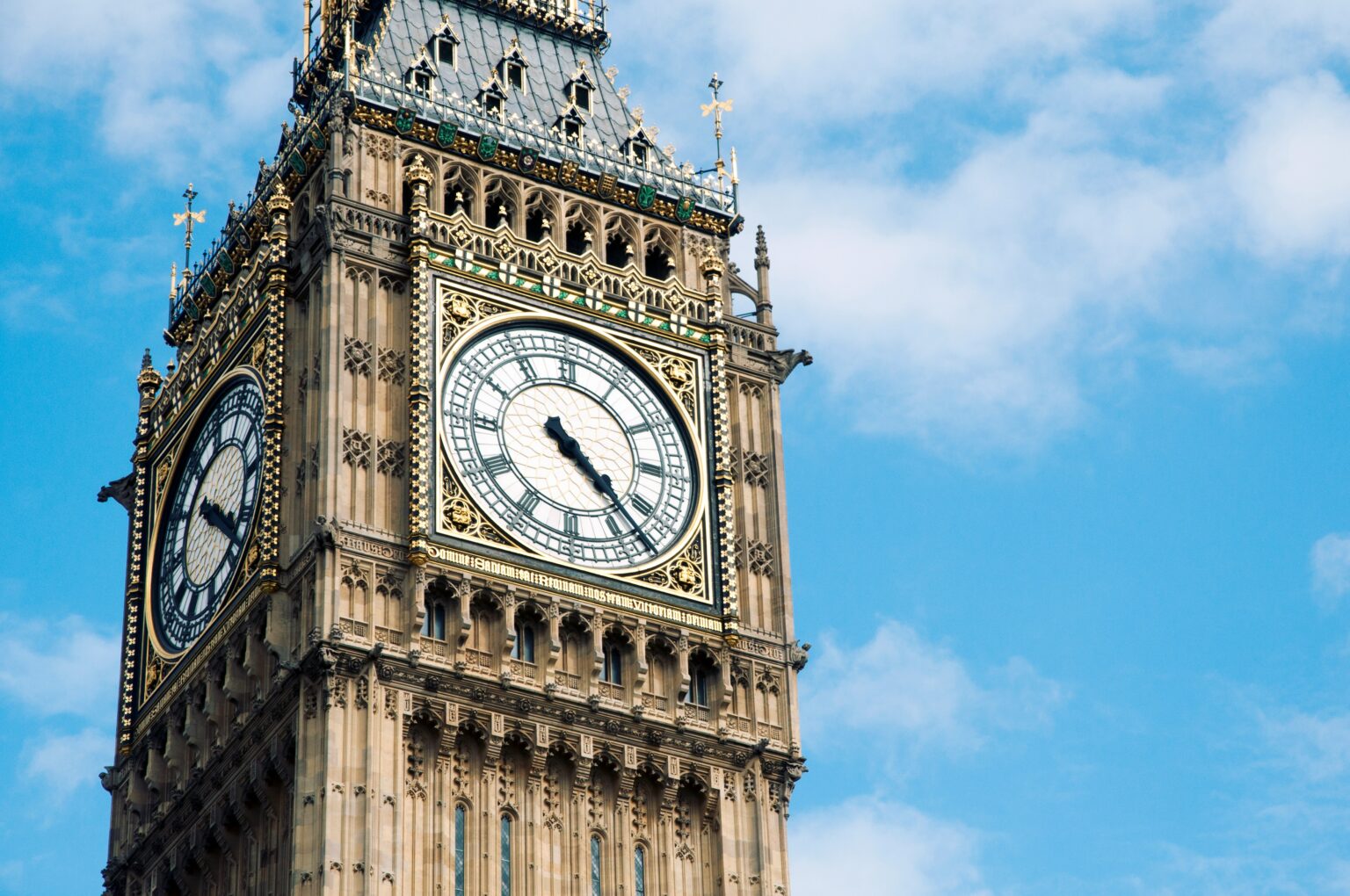
September and October usually mark the most intense period of political activity in the UK, here is what to expect.
Westminster is locked in for a busy season ahead of the highly anticipated ‘circuit breaker’ Autumn Budget.
Week 1 of September will already see an economic event as the technical consultation deadline closes for draft tax legislation related to the Finance Bill 2026-27 on September 7th. This consultation covers proposed rules on business, personal, and employment taxes. Shortly after on September 9th, the HM Treasury Budget Representation Portal closes marking the final chance for businesses and organisations to submit policy proposals for the October Budget. The submissions do not determine policy but rather give organisations an opportunity to provide evidence and comment on existing government measures.
In the middle of the month Parliament will enter its party conferences recess and will not return until mid-October, meaning all major debates will take place outside of Parliament. From the 27th to 30th of September, the Labour Party conference will take place in Liverpool, where Prime Minister Andy Burnham and Chancellor John Healey are expected to outline broader economic and regional priorities. The conference announcements won’t necessarily translate into budget measures however the language used could provide a strong indication of the budget’s direction.
Afterwards, on October 1st, the electricity VAT reduction begins. The government will temporarily remove VAT from domestic electricity bills for the remainder of the financial year. This measure was one of Burnham’s first announcements on becoming Prime Minister. This is funded by the cancellation of the £1.8 billion digital ID program. On October 28th John Healey will deliver his first Budget as Chancellor and the OBR will publish an updated economic and fiscal outlook, setting its forecasts for growth, inflation, borrowing, debt and government revenues.
“The Chancellor has said that the Budget will move power out of Westminster and Whitehall and into communities around Britain”
The Budget is expected to mark a significant departure from those of recent years. In his first speech as Prime Minister, he said the moment was a “circuit breaker for Britain” and promised “a new political model and a new economic model.” The Chancellor has said that the Budget will move power out of Westminster and Whitehall and into communities around Britain. Downing Street also revealed that mayors will retain a greater share of locally generated revenue, beginning with business rates, with a roadmap for income tax retention expected at the Budget. However, Healey has also suggested that the Budget will still comply with the government’s fiscal rules and retain a buffer against economic uncertainty.
We can also expect a Devolution White Paper detailing plans for regional devolution reforms, legislation, and a fiscal devolution roadmap alongside the Budget. The Prime Minister has also placed emphasis on reindustrialisation and the cost of living, but it is unsure how this will translate into policy.
Given Healey’s background, and his dramatic resignation from the Starmer government, we can expect defence to be point of intense interest in the budget and autumn policy. Presently, the UK Ministry of Defence’s overall budget for 2026-27 is £68.3 billion with broader NATO qualifying defence spending expected to reach approximately 2.6% of GDP in 2026.
UK long‑term borrowing costs have surged to their highest since 1998, with 30‑year gilt yields near 5.7 per cent. Sterling has slumped about 1 per cent against the dollar.
French business leaders warn of economic damage after Prime Minister François Bayrou set a 8 September confidence vote linked to budget plans. Stocks fell and bond spreads widened
UK business activity reached a one-year high in August powered by a strong services rebound while July borrowing came in at a three-year low of £1.1 billion.

The lobbying watchdog has launched an investigation into the Labour Infrastructure Forum after a Times exposé revealed companies were offered private meetings with senior Labour figures for nearly

Markets plunge after weak jobs data and sharp downward revisions.

Downing Street hosts influencers as Starmer targets digital-first voter reach.

With Trump brazenly resetting the rules for world trade, public affairs is entering a new global order.
Northern Ireland faces legal confusion over UK and EU tobacco laws. A UK generational smoking ban and proposed EU excise hikes risk encouraging smuggling through the region. Critics

Political polling is undergoing a transformation as artificial intelligence offers instant insights from digital platforms and AI chatbot simulations, Harvard’s Ash Center reports. AI polling may match traditional

Charlie Bean warns that Rachel Reeves’s sub‑£10 billion fiscal buffer is dangerously lean compared with the £30 billion norm. He argues that such tightness forces constant adjustments and leaves no room
