History risks repeating itself in Ireland

Peter Foreshaw Brookes | 21st July 2025 | Comment, Politics
Cigarette_(249090273)

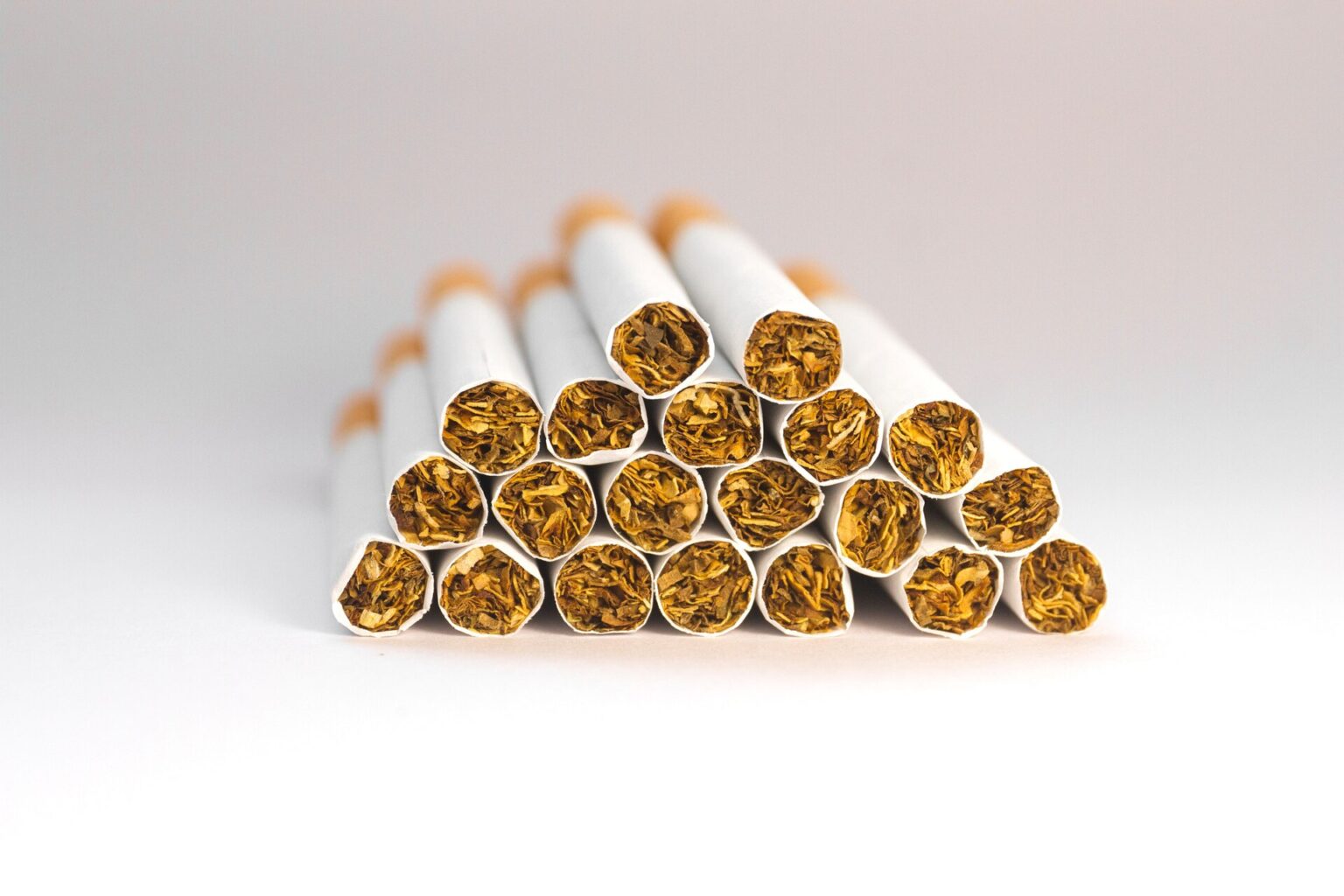
Northern Ireland faces legal confusion over UK and EU tobacco laws. A UK generational smoking ban and proposed EU excise hikes risk encouraging smuggling through the region. Critics warn of serious consequences, including illicit trade and organised crime, if legislators in London and Brussels fail to address the legal contradictions.

It is easy to see a harm and forge ahead with removing it before anything else gets in the way, like the man at the side of the road complaining about how parents reprimand their children. Yes, reprimanding is unpleasant. However, it is far less unpleasant than the alternative: children without guidance. As it is with many things in life, so it is with many legislative efforts. Too often, politicians amount to the man complaining at the side of the road, concerned only with the harms he sees and not the full results of his recommendations. Currently, Northern Ireland is poised to fall victim to this sort of lack of foresight from legislators on two fronts, from London and from Brussels, and the consequences are going to be serious. In the UK, the Tobacco and Vapes Bill is currently making its way through the British Parliament. It contains what was originally the brainchild of the previous British Prime Minister, Rishi Sunak: the generational smoking ban. The Bill would make it an offence to sell tobacco products, herbal smoking products and cigarette papers to anyone born on or after 1st January 2009 in an effort to clip the wings of potential younger smokers before they get any ideas. Jacinda Ardern’s New Zealand government tried to do this, but eventually dropped it, facing pressures on implementation and smuggling. Sunak’s dream to ruffle the feathers of the young was picked up by Starmer, and the Bill looks set to become law across the United Kingdom of Great Britain and Northern Ireland. Not that Northern Ireland seems to have been at the forefront of legislators’ minds. The Windsor Framework puts Northern Ireland in a unique legal position in the UK post-Brexit. Created in the wake of Brexit, this measure aligns Northern Ireland with many of the EU’s laws. Goods are checked as they enter Northern Irish ports and airports from Great Britain, and then can be moved freely within the EU single market. If London brings in stricter rules than the EU (including on tobacco), then Northern Ireland will be pulled in different legal directions. Northern Ireland is currently subject to the EU Tobacco Products Directive, which forbids the banning of tobacco products in keeping with EU standards. Ireland ended her plans for a generational ban on the grounds that this conflicted with EU law. Simultaneously, the UK legislation applies to the entirety of the country, and therefore mandates Northern Irish vendors to phase in the generational ban. There have been warnings in Stormont and in the UK on this exact point. The Northern Irish Health Minister, Robin Swann, has said he has concerns over the compatibility of this law with existing EU legislation during a debate on the Bill, and the Chair of the Lords Northern Ireland Scrutiny Committee wrote to the British government asking for an explanation of the Bill’s applicability and whether they have engaged with the EU on this matter. Another legal storm is coming, this one from Brussels. The European Commission’s Tax Commissioner, Wopke Hoekstra, is planning to slap huge excise rises on tobacco across the entire EU—eye-watering numbers: 139% on cigarettes and 258% on rolling tobacco, to name a few. This is reminiscent of the duties on tea of 119% in the 18th century—duties associated with huge amounts of smuggling at the time. The level of smuggling was so great that reducing the duty increased the tax revenues for Pitt, as tea trading went increasingly legitimate. Compound this with legal ambiguity and the incentive to move tobacco goods through Northern Ireland risks becoming immense. These duties on tobacco, combined with an ambiguous legal status in Northern Ireland, provide a perfect storm for a new explosion of smuggling through Northern Ireland. The illicit movement of goods between the EU and the UK through NI is already a significant problem, and the Government has made no efforts to reassure or explain to the public how it’s going to address these issues on our horizon. The Australian example is not reassuring: large excise taxes resulted in an explosion of illicit tobacco smuggling, with negative spillovers in the form of violent organised crime. It has been 27 years since the Good Friday Agreement, and Northern Ireland has enjoyed relative peace since—a huge benefit to all of Northern Ireland, the Republic and Great Britain. This is a cause for celebration, but also for vigilance, not complacency. In a few years, a revised Tobacco Products Directive is due to be implemented for both Northern Ireland and the Republic. There is no need to ride roughshod over the delicate balance of things at present with two measures that incentivise smuggling and illegal trade to be centred on Northern Ireland. Tobacco legislation does not have to be written on the back of a fag packet. It should have careful consideration for all regions affected. Keir Starmer and Wopke Hoekstra need to appreciate this—and fast—or Northern Ireland will suffer the consequences....

Subscribe to The Mace

Join the member community shaping British politics and stay ahead of what's really happening in the world of politics and public affairs, with expert analysis, breaking news, and insider insights from Westminster and Brussels. The Mace is the leading news source and resource for the government affairs industry, offering required reading and lobby intelligence for professionals.

To see what you are missing out on by not subscribing to The Mace, click here to download our full membership info-pack. This includes having no paywall on op-ed content or profiles/interviews, allowing professional profiles to be read with maximum impact and visibility by government, special advisers, MPs, peers, civil servants, and policy and political decision-makers.

Racing the sunset: a pilgrim odyssey across a dying Europe

Mace | August 4, 2026

For 10 months, ex-army officer James Jeffrey trekked 3500 km across Europe by foot. The scale of migration he witnessed may not have been as dramatic as the

Leader in Public Affairs: Grace Pritchard, Downing Street Director of News and the Prime Minister’s Political Spokesperson

Mace | August 3, 2026

After heading the Makerfield by-election comms team, Grace Pritchard was singled out by Andy Burnham as being a key part of his northern campaign team. The self-styled 'Yorkshire

Dame Antonia’s key civil service reforms are ready to be supported by Whitehall, says Jonathan Freeman

Mace | August 1, 2026

The Civil Service is ready to support Dame Antonia Romeo's flagship changes to government machinery - notably relating to AI and devolution - under new prime minister Andy

Burnham is trying to fix Whitehall, but will the political machinery change?

Mace | July 30, 2026

Andy Burnham is shaking up government with more changes than by any incoming prime minister in memory. But, asks Sir Bernard Jenkin MP, does he understand why the

Experts warn more government support needed to help UK aviation meet net zero by 2050

Mace | July 30, 2026

UK aviation can decarbonise while meeting growth ambitions, but urgent government action is needed to prevent costs increasing for passengers and the sector losing its competitive edge.

Don’t rule out an early election as Burnham may see an opportunity to kick Reform, says Fred de Fossard

Fred de Fossard | July 28, 2026

With the new Prime minister championing policies which go beyond Labour’s very confined 2024 manifesto, an early election is not illogical.

Despite promises of radical change, Labour’s culture of ruling political families remains entrenched

Lucy Carrier-Pilkington | July 28, 2026

Andy Burnham's inner circle appears to perpetuate Labour's long-running culture of nepotism, and is doomed to cause frustration among backbenchers.

Kemi’s true blue purge, with help from Sir Philip May

William Cash | July 26, 2026

The news that former Home Secretary Sir Grant Shapps has failed to make the new Tory candidate list has put fear into dozens of former Conservative MPs. Whether

Why Burnham’s energy VAT cut will make a difference

Mace Magazine | July 25, 2026

Cameron Brown, a former special advisor to the Chancellor of the Exchequer, explains why Burnham's VAT cut on energy bills is a measure people will actually notice.

If Burnham wants growth, he must start by backing AI and Tech founders and risk-takers, says Liam Houghton

Mace | July 23, 2026

New Prime Minister Andy Burnham has an opportunity to make Britain the best place to start and scale a business, argues CEO Liam Houghton.