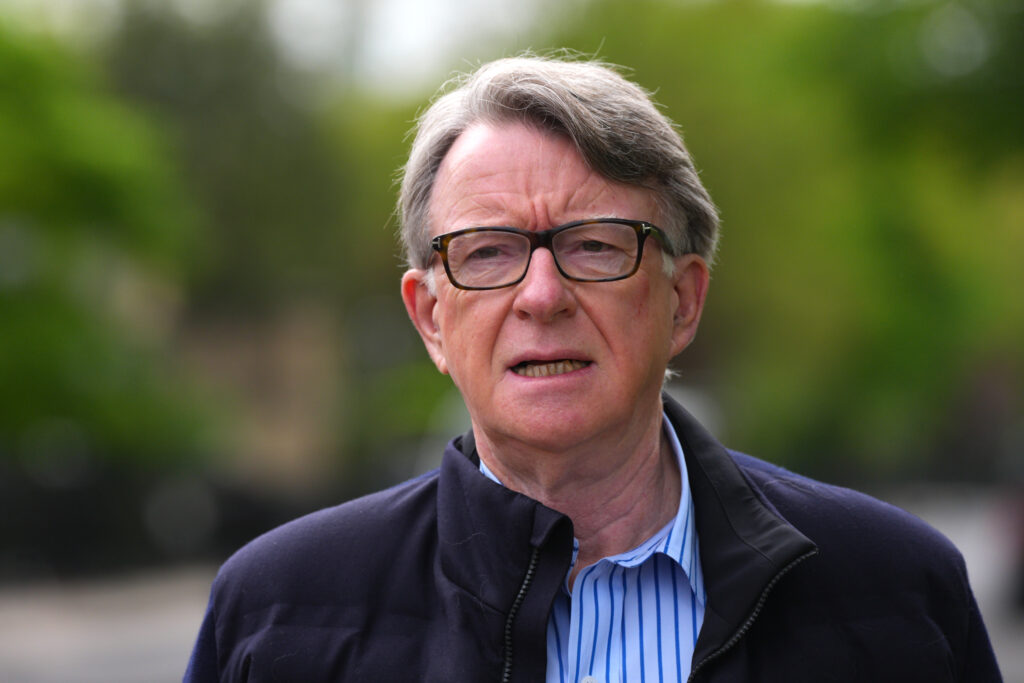
Leader in UK Public Affairs: Alastair McCapra, Chief Executive of CIPR
Mace | 25th March 2026 | Lobbying, Trade Associations, Westminster Index
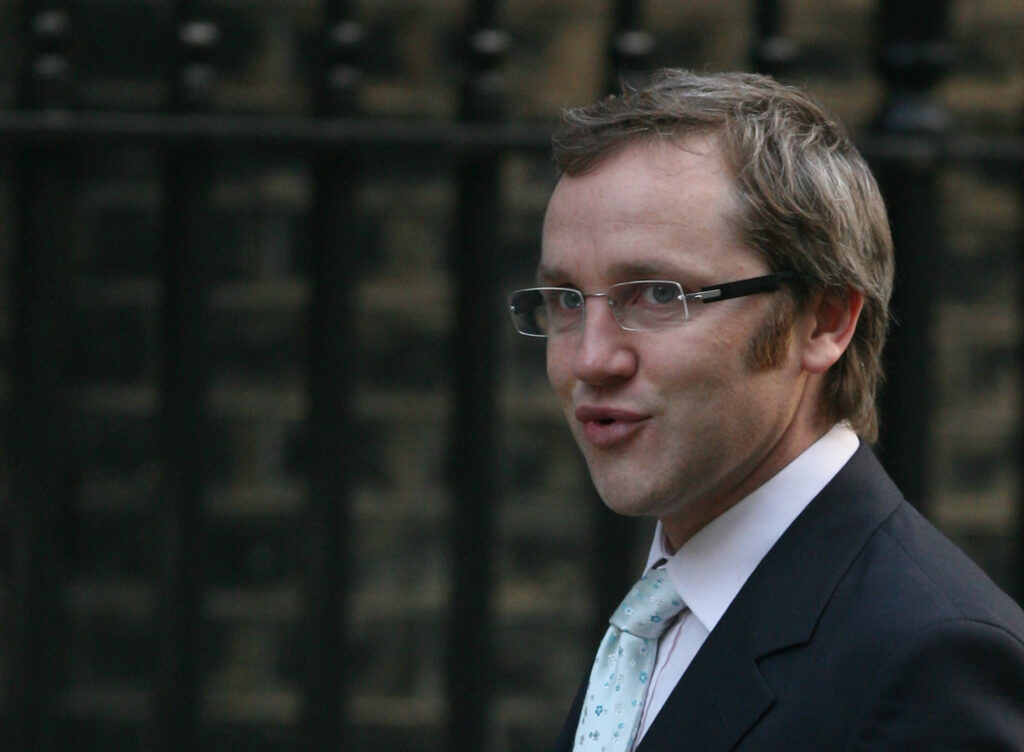
Alastair McCapra, CEO of the Chartered Institute of Public Relations
As Chief Executive of CIPR, Alastair McCapra is both a public affairs industry leader and also one of its more persistent critics. In his Mace profile, subjects range from lobby reform to Bismarck and his French bulldog.
Alastair McCapra has spent much of his career arguing that lobbying should be treated like any other profession: properly regulated, properly understood, and properly respected. As Chief Executive of the Chartered Institute of Public Relations, he sits in an unusual position — both part of the public affairs industry and one of its more persistent critics.
Public affairs was never a separate career choice for McCapra. It simply became part of the job. “Public affairs is a natural part of the CEO role,” he says, explaining that he first became directly involved in lobbying and government relations when he moved into his first chief executive position around twenty years ago. That perspective still shapes how he sees the profession today — not as a mysterious specialism, but as something any organisation leader eventually has to engage with.
As head of the CIPR, McCapra now sits at the centre of debates about professional standards, regulation and the future of the lobbying and communications industry. The institute represents thousands of practitioners across public relations and public affairs, and increasingly positions itself as a professional body rather than simply a membership organisation.
That distinction matters to him. One of his proudest achievements has been moving the CIPR “decisively towards becoming a predominantly chartered profession,” with the organisation set to charter its thousandth practitioner. In his view, chartership is not just a credential but part of building credibility and public trust in a profession that often struggles with its reputation.
Reputation, in fact, is a recurring theme when he talks about the industry. One issue in particular continues to frustrate him: the UK’s lobbying legislation. He describes the current Lobbying Act as “hopeless” and believes it has done significant damage to how both parliamentarians and businesspeople are perceived. The problem, as he sees it, is not transparency itself but badly designed transparency.
His position is slightly unusual in the industry. Rather than arguing against regulation, he believes lobbying regulation should actually be expanded and properly designed so that all lobbying activity falls within scope. In his view, the current system captures only a narrow part of the profession – excluding, for example, in-house public affairs teams as well as public policy advocate lawyers - while leaving most lobbying activity outside the formal register, which in turn undermines public trust.
This slightly contrarian stance reflects his broader approach to the profession. He is less interested in defending the industry than in professionalising it. Turning public affairs into something closer to a recognised profession — with standards, qualifications and ethical expectations — is clearly one of his long-term goals.
That professionalisation agenda also shapes how he thinks about technology. Like many leaders in the sector, he recognises the growing role of artificial intelligence in communications and public affairs work, but he is sceptical about how far automation can go. “The human factor is essential in all professional services,” he says. “If you can automate something entirely it isn’t a professional service, it’s just a glorified supermarket checkout.”
It is a characteristically blunt way of putting it, but it captures his view that public affairs ultimately relies on judgement, relationships and interpretation rather than simply information processing.
One of the campaigns he highlights from recent years is the CIPR’s “Lobbying for Good Lobbying” campaign, which aimed to improve public understanding and the reputation of lobbying as a legitimate part of democratic decision-making. The campaign formed part of a broader effort to shift the narrative around the profession and explain what public affairs actually involves.
McCapra often returns to the idea that lobbying is misunderstood from both directions. Some people assume it is simply about access and influence, while others assume it is inherently corrupt. In reality, he argues, it is mostly about providing information, expertise and arguments to policymakers who are making complex decisions under time pressure.
His own leadership philosophy is perhaps best summed up by a piece of advice he once received from a board chair: “Never overestimate what people know.” It is a reminder, he says, that communication — whether in politics, business or professional organisations — often fails because people assume too much prior knowledge.
Outside work, McCapra’s interests are a mixture of the cultural and the slightly eccentric. He sings in a local choir, spends time with his French bulldog, and — perhaps most unusually — spends much of his spare time editing Wikipedia. It is a hobby that fits quite neatly with his professional interests: accuracy, information, and the public understanding of complex topics.
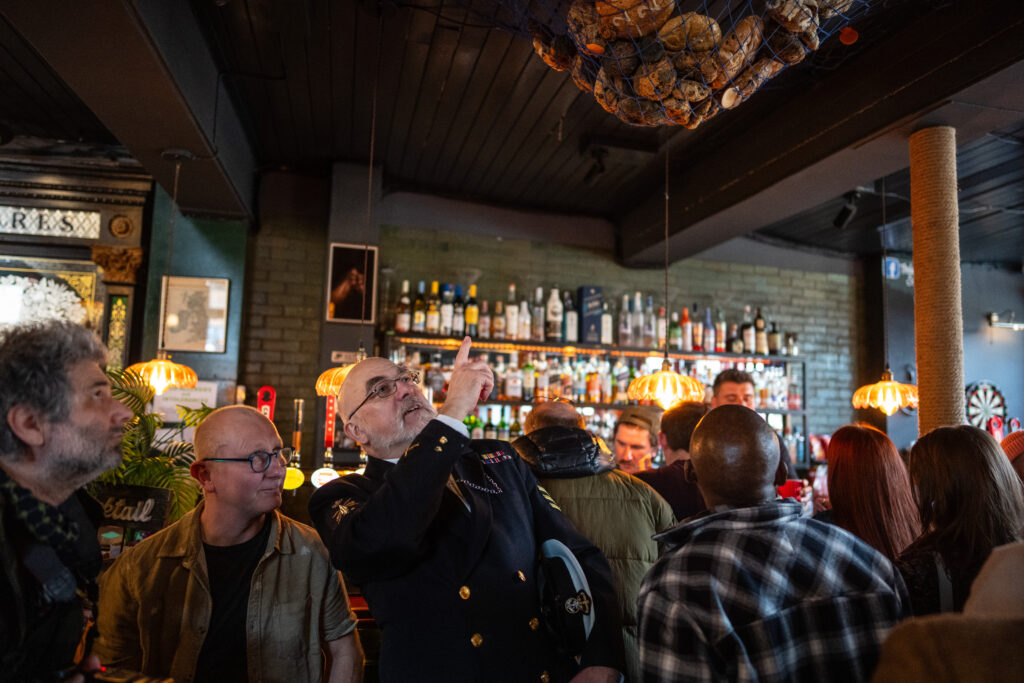
One of his favourite memories connected to politics comes from many years ago,...
Subscribe to The Mace
Join the member community shaping British politics and stay ahead of
what's really happening in the world of politics and public affairs,
with expert analysis, breaking news, and insider insights from
Westminster and Brussels. The Mace is the leading news source and
resource for the government affairs industry, offering required
reading and lobby intelligence for professionals.
To see what you are missing out on by not subscribing to The Mace, click here to download our full membership info-pack. This includes
having no paywall on op-ed content or profiles/interviews, allowing
professional profiles to be read with maximum impact and visibility by
government, special advisers, MPs, peers, civil servants, and policy
and political decision-makers.
Bombshell evidence reveals Burnham’s soon-to-be Chief of Staff ran a lobbying firm that hosted a multitude of undisclosed meetings with Labour officials.
A lawyer who traded M&A briefs for boardroom strategy, Andreas Bohrer has spent a decade quietly expanding his remit at one of pharma's most critical manufacturers. When the
Andy Burnham has promised the ‘biggest rebalancing of power our country has ever seen’. The Mace investigates what industry insiders think of his vision.
Flint Global CEO James Purnell's expected appointment as Andy Burnham's chief of staff is just the latest Westminster merry-go-round job move from Public Affairs back into Downing Street.
Tristan Breijer is the new London head of Checkmate Government Relations. The move into London gives the US lobby firm its first European base, bringing its global power-broking
A new workers' rights consultation could spell the end of 'exploitative' zero-hours contracts, but critics warn the move could further damage the shrinking labour market.
CIPR chief executive Alastair McCapra explains why lobbying needs stronger regulation, higher professional standards and the human judgement that technology cannot replace.