Whatever Happened To…?
From armchair space exploration to prison chaplaincy, Rosa Herxheimer and Emelia Wild look at the ways politicians approach the second acts of their lives


Breijer is Senior Advisor UK and EU at Checkmate Government Relations, the Washington DC lobbying firm
You might expect Tristan Breijer to be kept awake at night by a client in trouble or a minister going cold. Leaving aside the calls from clients in other time zones, his answer is modern architecture. “Brutalist concrete, glass boxes, the sense that nobody bothers about beauty any more,” he says. Churchill said we shape our buildings and then they shape us. “Where we live and work changes how we think, so I’d take a Georgian terrace over a glass tower any day.”
That taste for the classical runs through his conversation, which is liberally sprinkled with Churchill, Theodore Roosevelt and William F. Buckley. It also suits his new job. Breijer is Senior Advisor UK and EU at Checkmate Government Relations, the Washington DC lobbying firm founded by Charles “Ches” McDowell IV. He heads its London office, the firm’s first European base, and leads its European affairs practice, advising clients in defence, energy, natural resources and conservation on their dealings with government in London, Brussels and the multilateral institutions.
He came into public affairs, he says, through “passion, curiosity and, I like to think, a certain aptitude”. After university he worked across Europe for several leading families and was soon drawn into advising on policy, multilateral processes and environmental agreements, from the UN and the Commonwealth to the European Parliament, with conservation work in Africa along the way. “Throughout, I kept one foot firmly in British politics, where I have always been closely involved. Checkmate was the natural next step.”
Conservation remains a passion. He speaks English and German and is a Fellow of the Royal Geographical Society and the Royal Society of Arts.
Defence on Monday
What he enjoys about agency life is the variety. “Defence on Monday, energy on Tuesday, conservation on Wednesday, and by Thursday you are an expert in all three.” He also likes the fact that clients pay him to be honest with them, “which is rarer and more enjoyable than it sounds”. With Checkmate working across Washington, London, Brussels and other European capitals, as well as Asia and the Middle East, “someone, somewhere, is always awake”.
His proudest achievements are, characteristically, the ones nobody saw: “Unlikely wins for clients in far-flung places, the sort nobody expected and even fewer people noticed. In this job, that’s usually how you know it went well.”
Lunch is where things happen
He is unruffled by AI. It has made the homework faster, he says, “but it has yet to be good company at lunch, and in this business lunch is where things happen”. Nor does he expect a machine to predict a Cabinet reshuffle. “People remain gloriously unpredictable, which is why they’re still worth talking to.”
The best advice he has been given came from Nick van Westenholtz: always stop talking before your audience stops listening. “It is some of the best advice I have ever had,” says Breijer, “which is why this answer ends here.”
Then get out of the way
His leadership philosophy is just as brisk: “Lead by example, then get out of the way.” He cites Roosevelt’s line that the leader leads and the boss drives, adding that “anyone who has to remind you of their title has probably already lost the room”. “Give good people room and you get their best; hover over them and you get their compliance. I will always back energy over experience and dedication over longevity. Time served is not the same as talent.”
The taxi-driver test
On the CIPR and PRCA’s calls for reform, he is broadly supportive. “Transparency is good for the profession.” But a register that covers agencies and not in-house teams, he argues, “is like breathalysing taxi drivers and waving everyone else through: the same activity, on the same road, under different rules.”
So what do people outside the Westminster tunnel get wrong? “That it is about access. Access gets you a cup of tea; it doesn’t get you an outcome. Most of the job is explaining things patiently and knowing when to say them.” Roosevelt said nine-tenths of wisdom is being wise in time. “The other tenth,” says Breijer, “is knowing when to leave.”
In person
Which historical figures, political or otherwise, have inspired you?
Theodore Roosevelt, who understood that conservation means development as much as protection, and who did more before breakfast than most of us manage in a week whilst sipping on a gallon of coffee from a silver tankard. Churchill, for what he could do with a sentence, and for proving that a long lunch is no obstacle to running a war. And William F. Buckley, who could demolish an argument so eloquently he would still be asked back to dinner.
Has any book – fiction, biography, history – influenced your choice of career? Any favourite fictional characters (villains and/or heroes)?
Graham Greene’s The Quiet American, which every well-meaning foreign-policy idealist should be made to read, ideally before rather than after. And Christopher Buckley’s Thank You for Smoking, which every lobbyist should read, although probably for the wrong reasons.
Favourite recent TV show? Classic film?
Slow Horses and Ludwig, both remarkably well written, well acted and well constructed. And Rivals when I really need to unwind.
What song, or piece of music, sums up your approach to life?
“(I Can’t Get No) Satisfaction” by the Rolling Stones. It’s also what most clients expect from their advocates, so I like to keep it in mind.
Did you ever think about entering politics yourself? Would you advise it to a close friend or family member?
When William F. Buckley Jr., founding father of modern American conservatism, ran for Mayor of New York and was asked what he would do if he won, he said he’d demand a recount. I have always found that a very sensible position. I admire those who stand, but I’m more use helping good ideas along from the outside.
From armchair space exploration to prison chaplaincy, Rosa Herxheimer and Emelia Wild look at the ways politicians approach the second acts of their lives
Damian Collins MP explains how digital campaigns alter our perceptions of the news
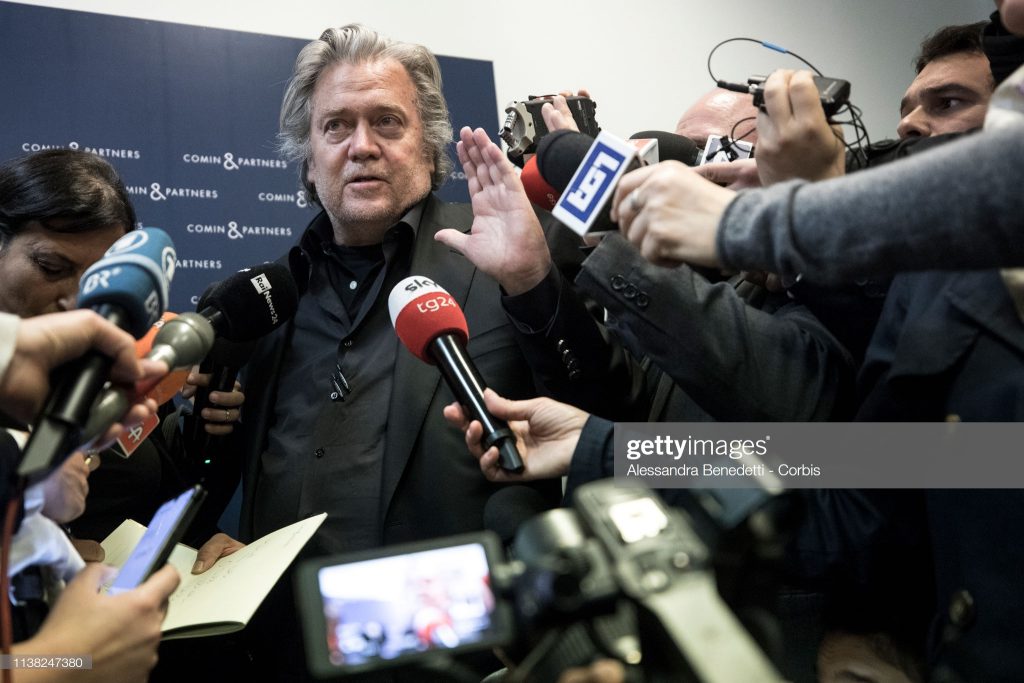
The movers, shakers and rule-breakers making their mark in Westminster
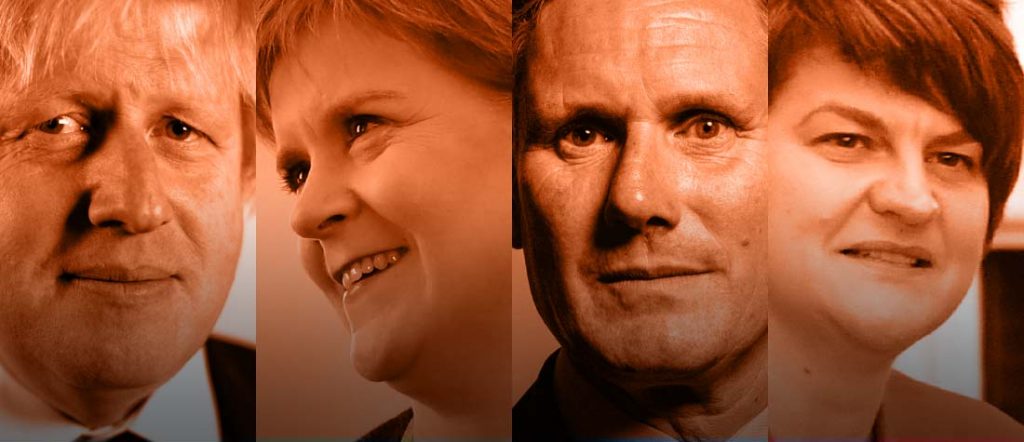
Ever wondered what MPs are really thinking? Here’s a preview of the Westminster Index, where we’ll be profiling everybody who’s anybody
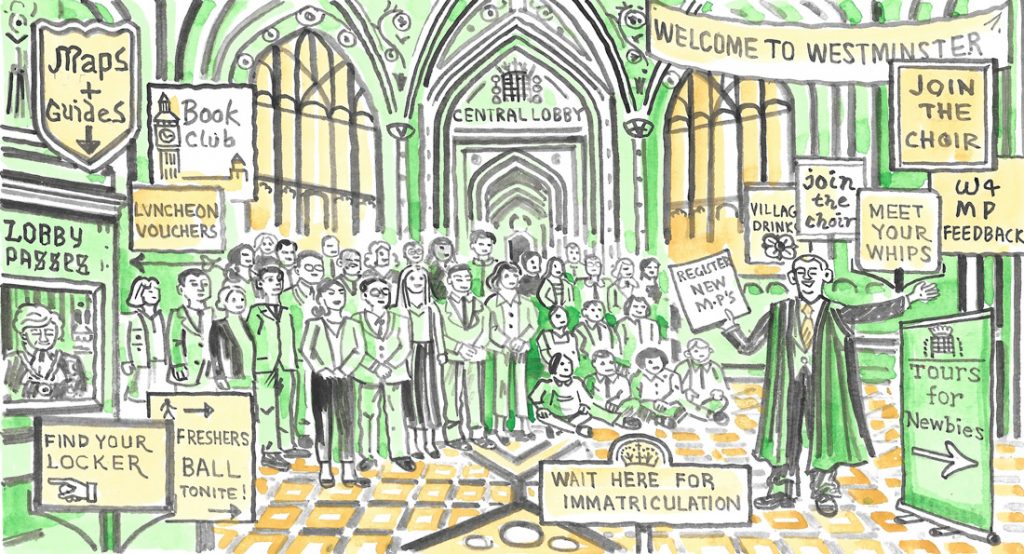
George Peel surveys the best of the new crop and finds much to celebrate in all the parties
Christopher Jackson meets the Harley Street surgeon whose busts of world leaders are winning him friends in high places.
