Italy Joins Belgium in Challenging EU Plan to Use Frozen Russian Assets

Mace | 15th December 2025 | Brussels, Uncategorised
Giorgia_Meloni_(2023)

Italy aligns with Belgium to oppose Brussels’ plan to deploy frozen Russian assets for Ukraine, complicating efforts ahead of key EU summit.

Italy has stepped into the front line of opposition to the European Commission’s plan to deploy Russia’s frozen sovereign assets for Ukraine, aligning itself with Belgium in a move that complicates Brussels’ efforts to secure political backing ahead of a crucial EU leaders’ summit. Rome’s intervention marks a significant escalation, given Italy’s weight as the bloc’s third largest member state by population and voting power, and comes days before EU leaders meet to discuss long term financial support for Kyiv. The European Commission has been pressing member states to agree on a scheme that would allow the EU to use roughly €210 billion of immobilised Russian reserves to support Ukraine’s economy. Most of the funds are held at the Euroclear clearing house in Belgium, making Brussels particularly exposed to legal and financial risks. The plan is intended to be finalised at the European Council meeting on 18 and 19 December, where leaders are expected to confront mounting divisions. Belgium has long voiced concerns that it could be left liable if Russia successfully challenges the seizure of its assets in court. Until now, however, it lacked a heavyweight ally willing to publicly question the Commission’s approach. Italy’s decision to join Belgium has altered the diplomatic landscape, giving fresh momentum to sceptics who argue the legal footing of the proposal remains uncertain under both EU and international law. Italy, Belgium, Malta and Bulgaria have jointly drafted a document urging the Commission and the Council to explore alternative mechanisms to finance Ukraine over the coming years. These include options such as EU loan facilities or temporary bridge solutions that would present fewer legal and financial risks. The group argues that predictability and legal certainty are essential, warning against measures that could trigger long term consequences for the EU’s financial system. One alternative under discussion would involve issuing joint EU debt to support Ukraine, rather than relying on Russian assets as collateral. This approach, however, presents its own obstacles, including concerns over rising debt levels in highly indebted countries such as Italy and France. It would also require unanimity among member states, leaving the proposal vulnerable to vetoes from governments such as Hungary, which has consistently opposed stronger measures against Moscow. Despite Italy’s long standing support for sanctions against Russia, divisions within Prime Minister Giorgia Meloni’s governing coalition have complicated Rome’s stance on Ukraine. Deputy Prime Minister Matteo Salvini has adopted a more Russia friendly tone and backed calls to bring the war to a swift end. These internal dynamics add another layer of complexity to Italy’s decision to challenge the Commission’s approach at EU level. The four countries have also expressed unease over the Commission’s decision to invoke emergency powers to lock in the long term immobilisation of Russian assets. While they supported the move to preserve EU unity, they stressed that this did not amount to consent to actually using the assets. They warned that relying on emergency legal clauses could carry far reaching institutional and financial implications beyond the current crisis. The emergency mechanism is designed to prevent pro Kremlin governments such as Hungary and Slovakia from blocking the continued freezing of Russian funds. Supporters argue this strengthens the EU’s hand by limiting Moscow’s leverage in any future peace settlement. Critics, however, caution that bypassing unanimity risks undermining trust in EU governance and exposing member states to retaliation or legal action. Although Italy and its allies cannot form a blocking minority on their own, their public resistance weakens the Commission’s push for a swift political deal. As EU leaders gather in Brussels later this month, the dispute highlights growing unease over the balance between supporting Ukraine and safeguarding the EU’s legal order, financial stability and investor confidence....

Subscribe to The Mace

Join the member community shaping British politics and stay ahead of what's really happening in the world of politics and public affairs, with expert analysis, breaking news, and insider insights from Westminster and Brussels. The Mace is the leading news source and resource for the government affairs industry, offering required reading and lobby intelligence for professionals.

To see what you are missing out on by not subscribing to The Mace, click here to download our full membership info-pack. This includes having no paywall on op-ed content or profiles/interviews, allowing professional profiles to be read with maximum impact and visibility by government, special advisers, MPs, peers, civil servants, and policy and political decision-makers.

Happy Times

Mace | January 31, 2020

The strange hierarchy of the press gallery

The Seldon Slap

Mace | January 31, 2020

Sir Anthony Seldon's new book goes down well with Olly Robbins

Aggers for PM?

Mace | January 31, 2020

Jonathan Agnew – a politician?

They’ll do it Allison’s Way

Mace | January 31, 2020

Allison Pearson hosts a dinner for the bravest pro-Leave writers

A Bit of Sly and Laurie

Mace | January 31, 2020

Hugh Laurie on what Dickens would have made of Brexit

The Clown Prince Ascends to his Throne

Mace | January 29, 2020

There’s plenty of egg-on-face - or just embarrassed silence - for the many pundit hacks, often former Tory colleagues of Boris, who wrote him off as a priapic
Meet the Class of 2019

Mace | January 28, 2020

George Peel surveys the best of the new crop and finds much to celebrate in all the parties

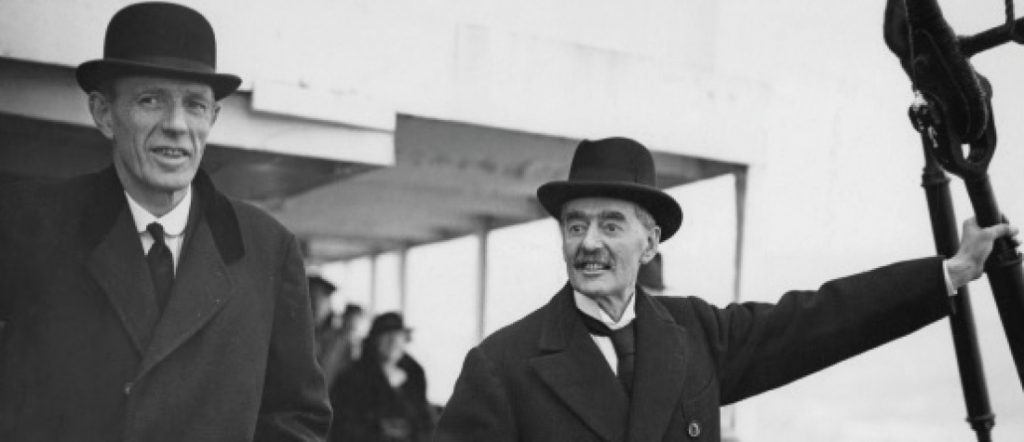
The Lesson of Munich

Tim Congdon | January 28, 2020

The Establishment has been wrong before, notes Tim Congdon. Is it so crazy, he asks, to think that it might be wrong again?
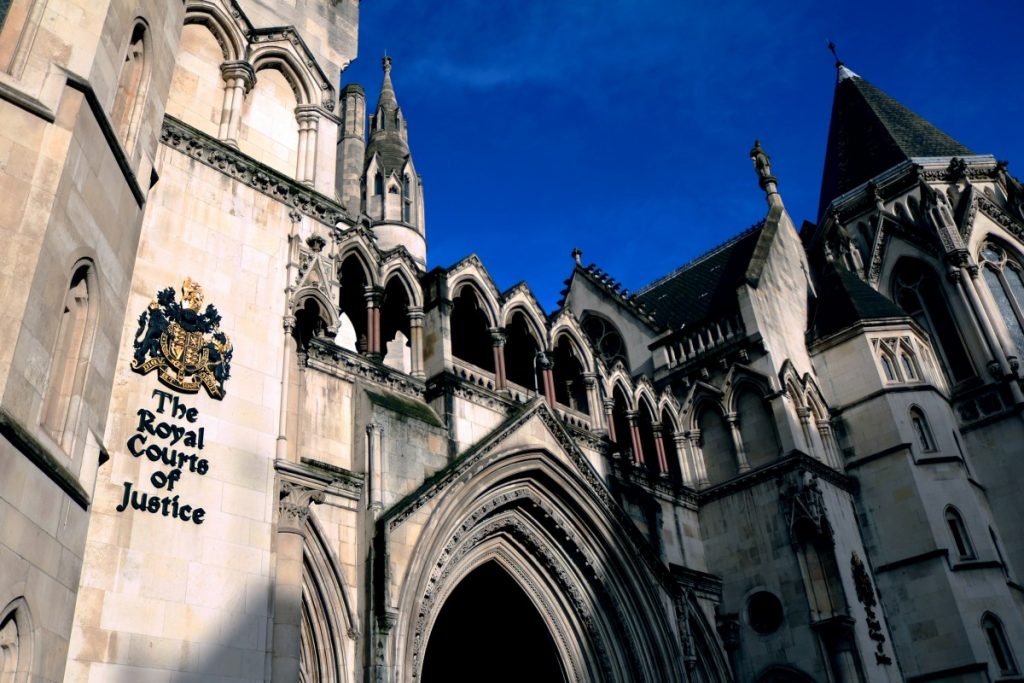
Who are the key players in justice today?

Christopher Jackson | January 21, 2020

Christopher Jackson provides an update of a department about to enter a period of considerable flux.
A New Magazine for a New Parliament

Mace | January 16, 2020

When the clocks struck 11pm on 31 January, it was the end of our 45-year relationship with the EU.