It is high time for Europe to reconsider its priorities in Central Asia

Szabolcs Szalay | 16th February 2023 | Comment
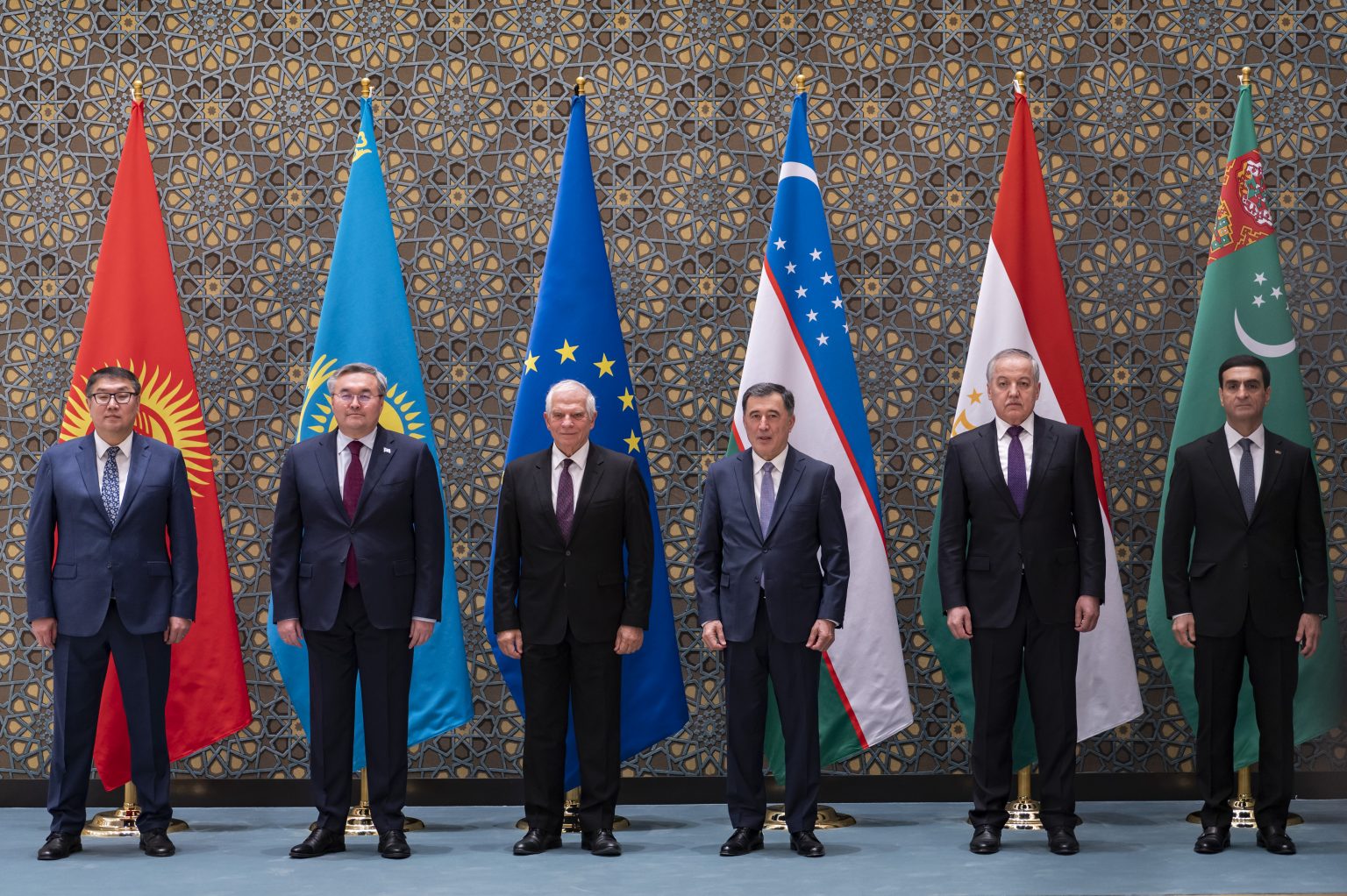
EU Commissioner for Foreign Affairs and Security Policy - Vice President Josep Borrell attend during Eu Central Asia Ministerial meeting in Samarkand, Uzbekistan  on 17 November, 2022.  Yasin Akgul / EU
EU Commissioner for Foreign Affairs and Security Policy - Vice President Josep Borrell attend during Eu Central Asia Ministerial meeting in Samarkand, Uzbekistan on 17 November, 2022. Yasin Akgul / EU

The EU needs to play a more active role in Central Asia with regard to both energy security and connectivity

Central Asia has long been considered a remote part of the world where the European Union did not have much to look for. Historically a part of the Russian sphere of interest and influence, isolated from the rest of world, this vast area remained largely peripheral up until the last decade. China was the first to realise the strategic importance of Central Asia and to take action. In 2013 Chinese President Xi Jinping unveiled the ambitious Belt and Road Initiative (BRI) as a successor to the one-time Silk Road, with the aim to expand China’s economic (and political) influence through massive investments in infrastructure: railways, highways and pipelines to connect the country with Europe via Central Asia. Following Putin’s aggression on Ukraine and the Western economic sanctions against Moscow, some voices inside the EU have been urging the Community to play a more active role in Central Asia with regard to both the energy policy and the connectivity with the Far East. European Counci...

Subscribe to The Mace

Join the member community shaping British politics and stay ahead of what's really happening in the world of politics and public affairs, with expert analysis, breaking news, and insider insights from Westminster and Brussels. The Mace is the leading news source and resource for the government affairs industry, offering required reading and lobby intelligence for professionals.

To see what you are missing out on by not subscribing to The Mace, click here to download our full membership info-pack. This includes having no paywall on op-ed content or profiles/interviews, allowing professional profiles to be read with maximum impact and visibility by government, special advisers, MPs, peers, civil servants, and policy and political decision-makers.


Zuckerberg’s about-faces

Damian Collins MP | November 15, 2021

Damian Collins enjoys an expert examination of Facebook’s murky relationship with free speech
Europe’s Embattled Progressives

François Valentin and Jorge González-Gallarza | November 12, 2021

Europe took a decidedly neoliberal shift thirty years ago, but centre-left moderates still view the union as a beacon of progressivism
Why returning to the office is a smart move

Ed Amory | November 9, 2021

My nostalgia for the office is not a sad, sub-David Brent fantasy – it’s a vision of our working future

Future fuel

Jacob Young MP | November 2, 2021

Jacob Young MP tells Mace why he’s backing clean hydrogen as the fuel of the future

Dressing down

Lucy Kenningham | November 1, 2021

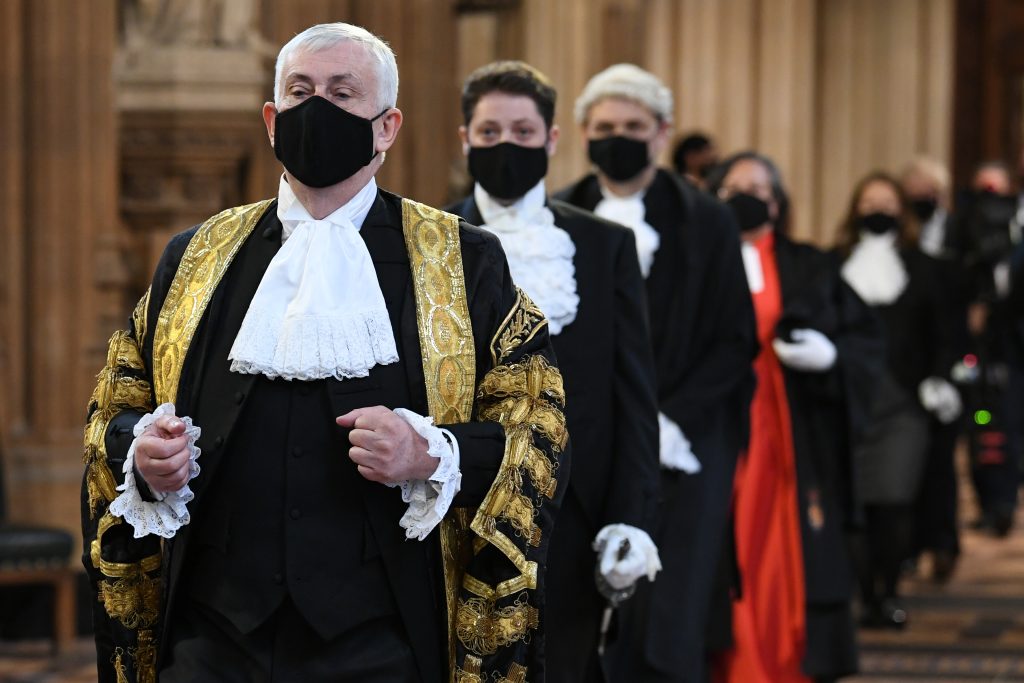
Sir Lindsay Hoyle is on a mission to sharpen MPs' dress sense, but will clothes alone inspire better behaviour?
Turning up the temperature

Fiona Harvey | October 29, 2021

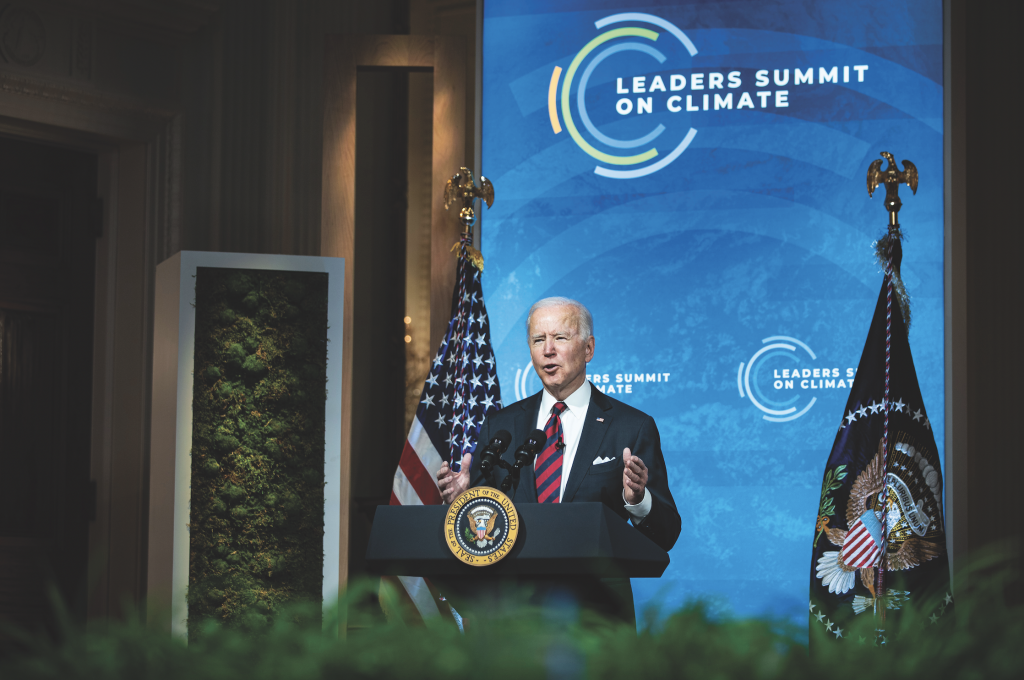
Ahead of Cop26, can Joe Biden’s bold climate change action plan help save the planet?
Glasgow: the host with the most

John Nicolson MP | October 27, 2021

As the Scottish city gears up to hold Cop26, John Nicolson MP tells the story of his hometown and offers tips on where to visit, drink & dine

The right to survive climate change

Jeffrey Salim Waheed | October 26, 2021

Maldivian diplomat Jeffrey Salim Waheed calls on Cop26 to enshrine the need for a human rights-based approach to tackling the climate emergency

The nuclear option

Mark Lynas | October 25, 2021

The energy and climate crises are hitting Europe hard. Here's how to fix them both

Mind the gap

Annabel Denham | October 8, 2021

Rather than fixate on meaningless data, governments should explore why some women opt for less demanding roles