Plugging the gap? Different approaches to road pricing

Patrick Hall | 2nd June 2021 | Uncategorised
4757007897_55bb1f7949_b

As EV uptake grows, so too does another headache for the government, writes Patrick Hall.

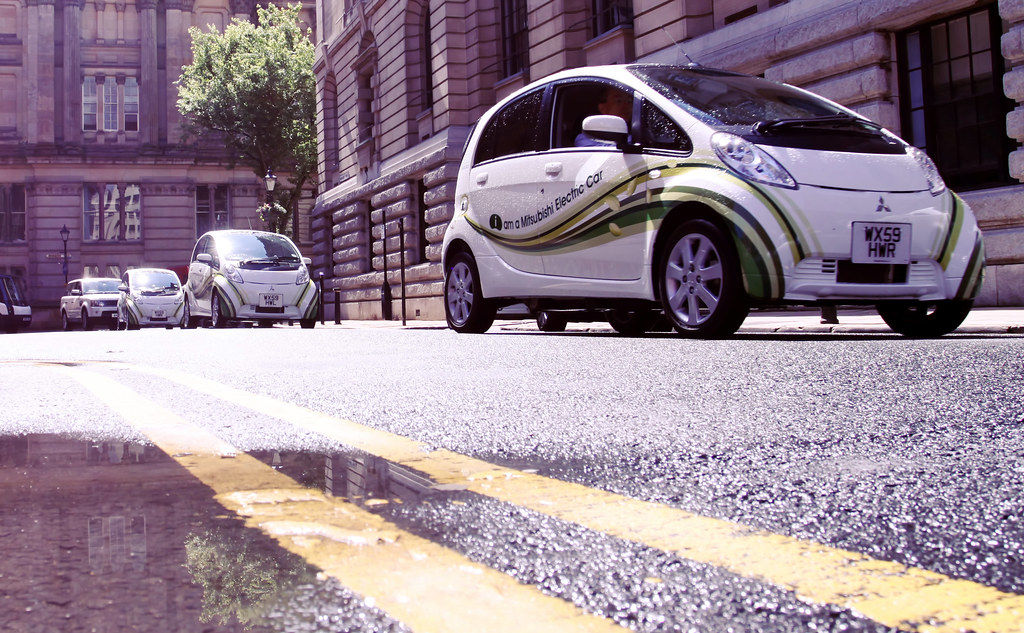
The UK government has been zealous in its pursuit of electric vehicle (EV) uptake. Banning the sale of petrol and diesel vehicles by 2030; pumping billions of pounds into the rollout of EV charging infrastructure; and providing fiscal incentives in the form of grants and tax relief for those who make the switch to an EV. The rationale behind the electric transition is clear: lower emissions and less air pollution. But as EV uptake grows, so too does another headache for the government. Late last year, it surfaced the Treasury was staring down the barrel of a £40 billion annual loss in revenue from fuel duty and Vehicle Excise Duty (VED) - of which EVs pay neither - as a result of forecasted EV uptake. This begs the question: how is the government going to make up this lost revenue? Drivers of petrol and diesel vehicles cannot be expected to make up for the annual loss in revenue by paying all the tax for using the road. Not only would this be financially unsustainable for fossil fuel motorists as more and more people go electric, but it would be particularly regressive towards less well off households, who typically cannot afford an EV anyway. The reality is, we are likely going to have some form of road pricing. Done right, road pricing can plug the Treasury’s revenue gap, reduce congestion and improve air quality. Expanding the number of toll roads and area charges is one option. Currently, EVs are exempt from certain area charges, such as London’s £15-per-day congestion charge. But an EV in a traffic jam is contributing to congestion just as much as a petrol or diesel vehicle, and should therefore pay at least some of the charge.  The advantages of simply expanding the number of toll roads and area charges is that it is straightforward to roll out, and drivers are already familiar with how this type of road pricing works. The drawback is that it only captures revenue from motorways or specific toll roads, and certain areas - likely municipal.  Another option for the government would be to introduce a pay-per-mile scheme. There are two ways of doing this. First, vehicles could be monitored via satellite which connects to a black box installed in their vehicle and charged per mile they drive. The benefit of this is that it allows for flexibility with road pricing based on localised data; charges could alter depending on the time of day or level of real-time congestion. An example of this is Singapore’s Electronic Road Pricing, which uses variable road pricing in this way. However, it would be challenging to roll out the installation of black boxes, and the public may be hostile towards their vehicles being tracked remotely. Second, the government could establish a road user charges scheme. Motorists would purchase miles they intend to drive in advance - either online or at a post office, for example. The road user charges would be attributed to vehicle’s number plates, which authorities could spot check to make sure adequate miles have been purchased. Whilst a road user charges scheme could plug the Treasury’s revenue gap, there are downsides. It is difficult to enforce, requiring authorities to look at the vehicle's odometer to ensure the vehicle has travelled less miles than those purchased, and it does not allow for flexible pricing.  It is inevitable that the Treasury is going to need to find new revenue streams as we shift away from petrol and diesel vehicles. Road pricing, whether through expanding toll roads and area charges or introducing a pay-per-mile scheme, offers the government an opportunity to plug the Treasury’s revenue gap, ease congestion, and subsequently reduce air pollution. Different approaches to road pricing have their advantages and drawbacks. The Government will have to think carefully about how they construct such a scheme. Patrick Hall is a Senior Researcher at the think tank Bright Blue. ...

Subscribe to The Mace

Join the member community shaping British politics and stay ahead of what's really happening in the world of politics and public affairs, with expert analysis, breaking news, and insider insights from Westminster and Brussels. The Mace is the leading news source and resource for the government affairs industry, offering required reading and lobby intelligence for professionals.

To see what you are missing out on by not subscribing to The Mace, click here to download our full membership info-pack. This includes having no paywall on op-ed content or profiles/interviews, allowing professional profiles to be read with maximum impact and visibility by government, special advisers, MPs, peers, civil servants, and policy and political decision-makers.

The Clown Prince Ascends to his Throne

Mace | January 29, 2020

There’s plenty of egg-on-face - or just embarrassed silence - for the many pundit hacks, often former Tory colleagues of Boris, who wrote him off as a priapic

Meet the Class of 2019

Mace | January 28, 2020

George Peel surveys the best of the new crop and finds much to celebrate in all the parties

Who are the key players in justice today?

Christopher Jackson | January 21, 2020

Christopher Jackson provides an update of a department about to enter a period of considerable flux.

A New Magazine for a New Parliament

Mace | January 16, 2020

When the clocks struck 11pm on 31 January, it was the end of our 45-year relationship with the EU.