EU Buy European Push Put on Ice as Member State Divisions Stall Plan
Mace | 12th December 2025 | Brussels, Uncategorised
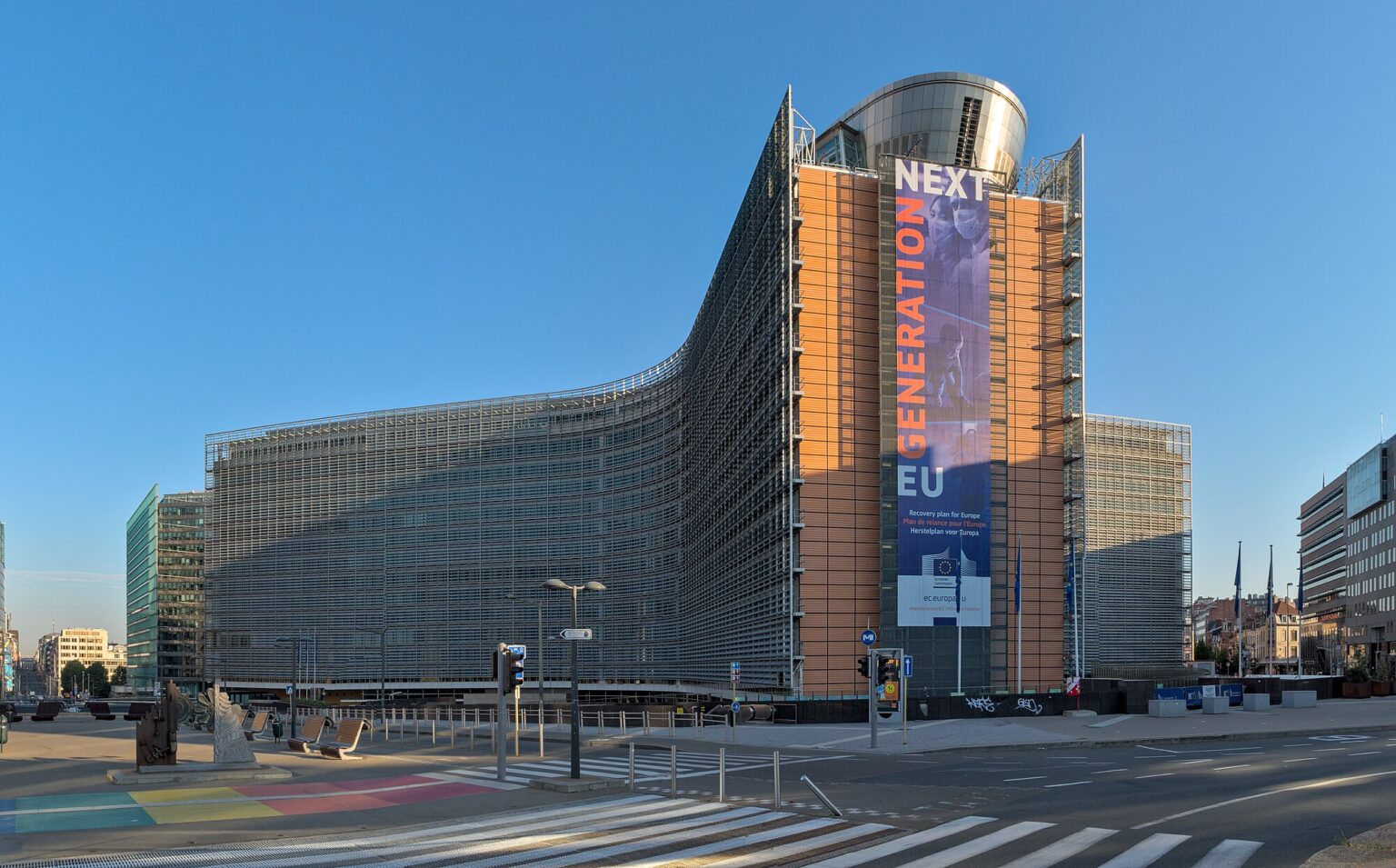
Berlaymont building (European Commission)
Deep splits among EU capitals force Brussels to delay its Buy European procurement push amid fears of protectionism and higher costs.
EU efforts to enshrine a Buy European preference in public procurement have been delayed as sharp divisions between member states emerged during recent policy discussions, forcing the European Commission to reschedule key draft legislation until January 2026. This pause follows resistance from a group of countries urging caution over how such criteria might affect competition, supply chains, and overall market openness.
The Commission had intended to lay out detailed plans for a Buy European strategy this month as part of its Industrial Accelerator Act, aiming to channel more public contracts to goods and services produced within the European Union. Instead, Vice-President Stéphane Séjourné confirmed that the measure has been postponed until late January amid concerns from capitals that it would impose restrictive European preference provisions across the single market.
Officials in Brussels and several member states have framed the Buy European idea in the context of intensified global economic competition, particularly with the United States and China, where public procurement has been used as an instrument to support domestic industry and strategic sectors. Proponents have pushed for criteria that would steer major contracts towards European industrial and technology champions.
Despite this support, a core group of nine EU countries including Czechia, Estonia, Finland, Ireland, Latvia, Malta, Portugal, Sweden and Slovakia issued a joint warning that insisting on European preference too broadly could have negative consequences for competition and prices. These countries argue that public authorities should only apply preferential criteria after alternative instruments have been assessed and proved insufficient, and that any provisions should be confined to clearly defined strategic sectors.
Poland and the Netherlands have also backed calls for a comprehensive impact assessment before implementing any Buy European rules. The document referenced at industry ministers’ meetings stressed that verification of European origin for complex products could become cumbersome if not properly calibrated, leading to administrative strain on businesses and public bodies alike.
From an industry perspective, some business groups have expressed caution about the practical implications of Buy European requirements. Critics argue that favouring EU goods and services without ensuring competitive performance could inadvertently raise costs or hinder innovation by insulating domestic players from global competition pressures. Supporters of a more flexible approach acknowledge that implementation will be as important as the principle itself.
Despite the pushback, countries such as France and Germany have continued to voice support for a European preference in targeted areas. Their position has been that strategic vulnerabilities, including dependencies on non-EU suppliers in sectors like chemicals, steel and automotive components, justify a stronger role for public procurement in reinforcing European industrial capacity without closing markets entirely.
The Commission’s decision to delay the drafting of legislative text until 28 January 2026 reflects a recognition of the need to accommodate these differing views within the EU Council and to ensure broader consensus before moving forward with a regime that could reshape public spending norms across the bloc. This delay also allows for further consultations and possible recalibration of the proposal’s scope and criteria.
Import statistics continue to show significant flows of goods from China into the EU, emphasising the competitive pressures European industries face. Data cited by Euronews reported year-on-year growth in Chinese imports to major EU economies, underscoring the economic backdrop against which the Buy European debate is unfolding and highlighting the strategic context behind calls for a more assertive procurement policy.
The postponement has drawn attention to broader questions of how the EU can balance protection of its internal market with commitments to open trade and multilateral cooperation. Member states advocating caution have argued that preferences should not undermine relations with trading partners or weaken the EU’s position in global competition, especially as part of wider diversification strategies that include partnerships with like-minded economies.
With the Buy European initiative now set for a release early next year, public procurement rules and their potential evolution will remain a focal point of industrial and economic policy debates in Brussels. Policymakers are expected to use the delay to refine proposals, consider economic impact assessments, and continue consultations with both member states and business stakeholders ahead of formal presentation and negotiations in the EU legislative process...
Subscribe to The Mace
Join the member community shaping British politics and stay ahead of
what's really happening in the world of politics and public affairs,
with expert analysis, breaking news, and insider insights from
Westminster and Brussels. The Mace is the leading news source and
resource for the government affairs industry, offering required
reading and lobby intelligence for professionals.
To see what you are missing out on by not subscribing to The Mace, click here to download our full membership info-pack. This includes
having no paywall on op-ed content or profiles/interviews, allowing
professional profiles to be read with maximum impact and visibility by
government, special advisers, MPs, peers, civil servants, and policy
and political decision-makers.
There’s plenty of egg-on-face - or just embarrassed silence - for the many pundit hacks, often former Tory colleagues of Boris, who wrote him off as a priapic