Erskine

Bernard Jenkin | Issue 5 | Magazine, Uncategorised

From the Archive

TheChamber

The Scottish draft Bill on gender recognition throws up uncertainties and would weaken women’s sex-based rights in the UK. Political dialogue is urgently needed

When the Labour government retained equal opportunities as a reserved power in the Scotland Act 1998, I was opposition constitutional affairs spokesman. I supported this on the grounds that the “imposition of draconian anti-discrimination laws has to be handled with great care, because it is all too easy to substitute one type of intolerance of minorities for another”. Holyrood, the Scottish parliament, now threatens to undermine this principle. The draft Gender Recognition Reform (Scotland) Bill would weaken women’s sex-based rights across the UK.  Devolved powers are legislative powers that the UK Parliament controlled in the past, but are now devolved to the legislatures in Scotland, Northern Ireland and Wales. These include matters such as education and health. Reserved powers, as specified in the Scotland Act, for example, remain exclusively with the UK Parliament in Westminster.   Human rights are a devolved competence. The powers to pass a gender recognition act are therefore no...

Subscribe to The Mace

Join the member community shaping British politics and stay ahead of what's really happening in the world of politics and public affairs, with expert analysis, breaking news, and insider insights from Westminster and Brussels. The Mace is the leading news source and resource for the government affairs industry, offering required reading and lobby intelligence for professionals.

To see what you are missing out on by not subscribing to The Mace, click here to download our full membership info-pack. This includes having no paywall on op-ed content or profiles/interviews, allowing professional profiles to be read with maximum impact and visibility by government, special advisers, MPs, peers, civil servants, and policy and political decision-makers.


Cultural Fears and Condescension Brought on Brexit

Damian Collins MP | October 5, 2020

Brexitland: Identity, Diversity and the Reshaping of British Politics, by Maria Sobolewska and Robert Ford, reviewed by Damian Collins


Sharp Pencils, Sharper Wit

Adam Solomons | October 5, 2020

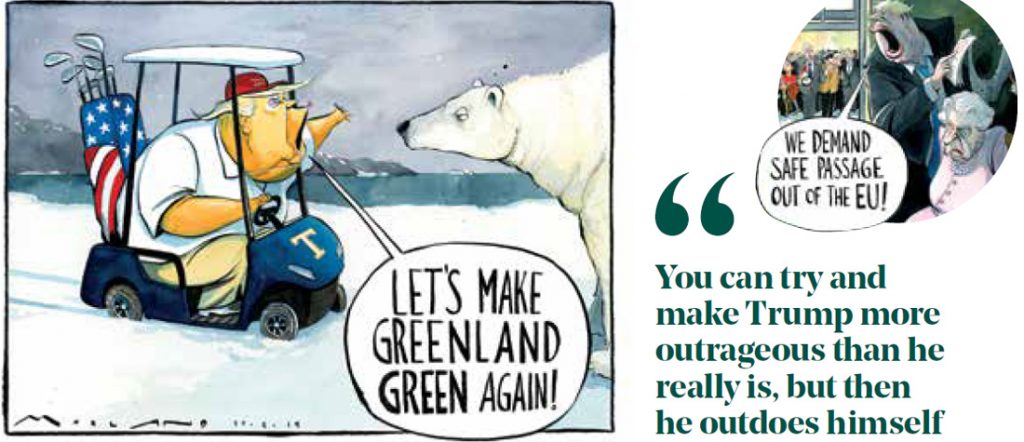
The ongoing cull of political cartoonists by national newspapers has triggered new conversations about the status of this idiosyncratic art form.
Wanted: A Sea-side Tsar

William Cash | October 4, 2020

William Cash sets out the case for a new seaside tsar and what needs to be done to reverse the decline of our coastal towns

‘Wokeness has never been a majority thing’

Christopher Jackson | October 4, 2020

Douglas Murray discusses the nature of public discourse and Donald Trump's reelection chances

How the National Trust Lost Its Way

Harry Mount | October 4, 2020

Faced with a £200m revenue shortfall and under fire for dumbing down its role as a cultural institution, the beloved heritage organisation must not damage its reputation irrevocably

APPG – Football Brings People Together

Mace | October 4, 2020

As a proud season ticket holder at Manchester United, my passion for football started at a young age, writes Katherine Fletcher MP

Crony Island?

Adam Solomons | October 4, 2020

Political scientists have long alleged that the UK political system is one of the world’s least corrupt. When it comes to cronyism, however, why is Westminster’s record far
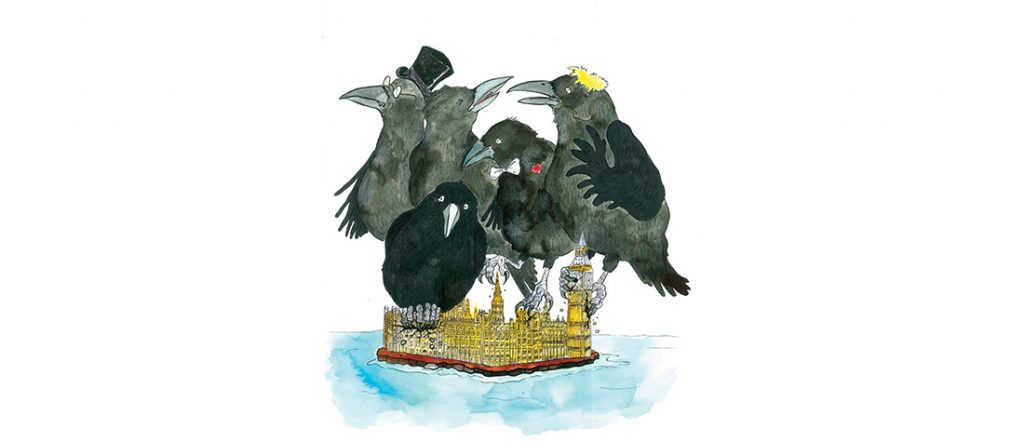
The Strategist: How to Win Elections with Jim Messina

William Cash | October 4, 2020

In an exclusive Mace interview, William Cash talks to Jim Messina, the man known as The Fixer for his success in both Obama and Cameron election campaigns.

Clashing Tribes: The Longevity of ‘Us’ and ‘Them’ Politics

Mace | October 4, 2020

Whatever you think of identity politics, the social battleground between ‘Us’ and ‘Them’ is here to stay, argues Robert Ford.

Hard rain coming: Inside the Whitehall revolution

Mace | October 4, 2020

George Peel examines Downing Street’s ruthless approach to civil service reform