Erskine: Systems failure

Bernard Jenkin | Issue 6 | Magazine, Uncategorised

From the Archive

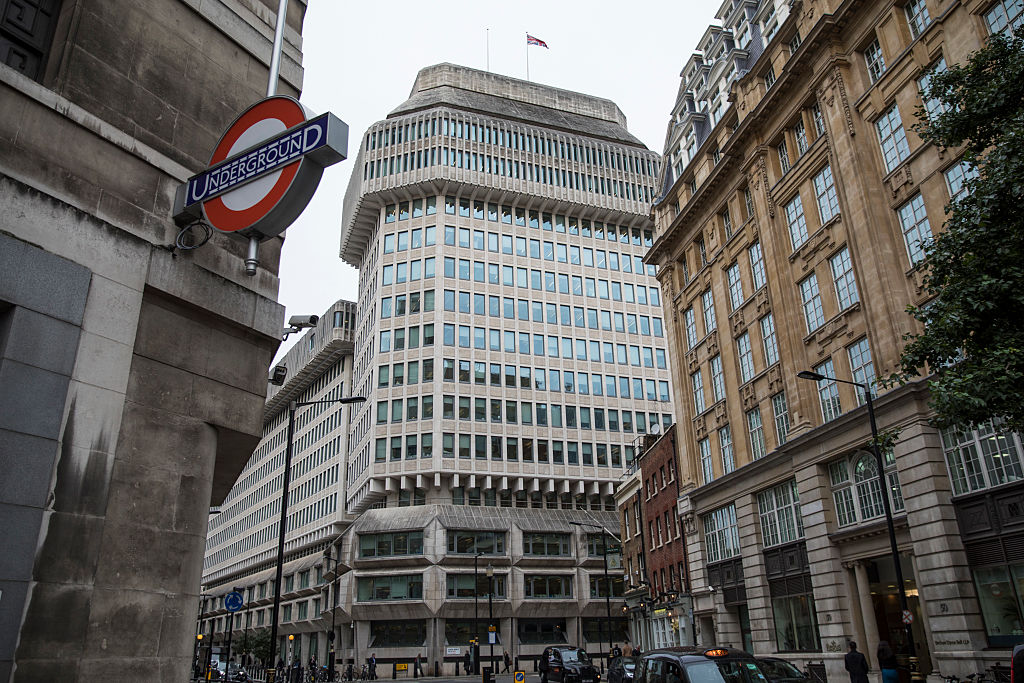
LONDON, ENGLAND - NOVEMBER 17: A general view of the Ministry of Justice on November 17, 2016 in London, England. Brutalism is a style of architecture, which was popular between the 1950s and 1970s, and is typically characterised by large forms and exposed concrete or brickwork. In a speech this month British Transport Minister John Hayes described such modernist architecture as "aesthetically worthless" and called for a "revolt against the Cult of Ugliness". (Photo by Jack Taylor/Getty Images)

Putin’s invasion of Ukraine proves that the West has been asleep at the switch while he set out his plans in plain sight. How did our systems fail us?

As our continent is beset by major state-on-state conflict, there should be reflection on what has gone wrong with Nato and Western policy. Nobody should divert blame from the dictator Putin, whose grotesque narrative about saving Russians in Ukraine from a genocide at the hand of ‘Nazis’ echoes Hitler’s justification for the annexation of the Sudetanland in 1938. Yet it’s true that there has also been a “systems failure” in Whitehall and other key Nato governments.  Leon Trotsky is attributed with the observation: “You may not be interested in war, but war is interested in you.” While Putin has been taking advantage of optimism and complacency, the free world has been too little “interested in war”, and how to deter it, and now war is interested in us. Complacency has strengthened the confidence of dictators and illiberal regimes in the effectiveness of their autocratic systems. Autocrats never face the electoral cycle, so they can think long-term more easily than elected governments....

Subscribe to The Mace

Join the member community shaping British politics and stay ahead of what's really happening in the world of politics and public affairs, with expert analysis, breaking news, and insider insights from Westminster and Brussels. The Mace is the leading news source and resource for the government affairs industry, offering required reading and lobby intelligence for professionals.

To see what you are missing out on by not subscribing to The Mace, click here to download our full membership info-pack. This includes having no paywall on op-ed content or profiles/interviews, allowing professional profiles to be read with maximum impact and visibility by government, special advisers, MPs, peers, civil servants, and policy and political decision-makers.


Hungary Eyes U.S. Deal to Shield Key Industries from Tariff Impact

Mace | April 18, 2025

Hungarian Prime Minister Viktor Orban announced plans to finalise a U.S. business deal within six months to counter tariffs on steel, aluminium, and cars threatening Hungary's car-reliant economy.

ECB Slashes Rates Again Amid Escalating Economic Clouds

Mace | April 17, 2025

The European Central Bank (ECB) cut its key interest rate by 25 basis points to 2.25%, citing deteriorating growth due to trade tensions and global uncertainty. This marks

Trump’s hint at auto tariff pause fuels optimism

Mace | April 15, 2025

President Trump has suggested a potential pause on auto tariffs, sparking optimism in the auto industry and financial markets. While the proposal remains unconfirmed, it could ease industry

“Give negotiations a chance”

Thomas Edwards | April 11, 2025

European Commission President Ursula von der Leyen addressed the EU’s planned 25% tariffs on €21 billion of U.S. goods with a mix of defiance and diplomacy. She clarified

Jordan Bardella: the hope of the French right

Mace | April 11, 2025

Marine Le Pen’s shock conviction for embezzling EU funds, with a five-year ban from public office, shook France’s political landscape. While Le Pen vows to appeal, her legal

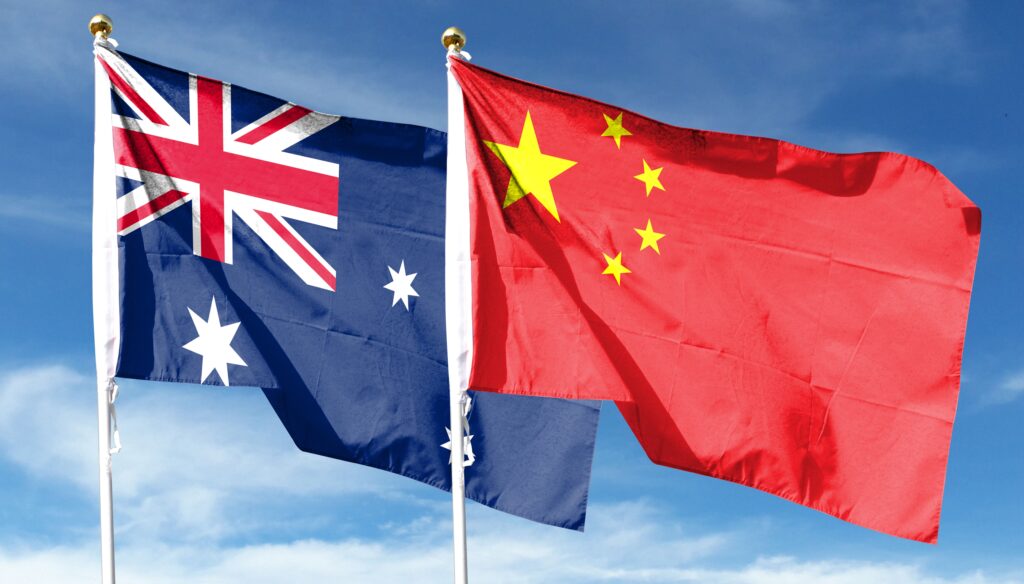
Australia to China: No Hand-Holding in Trump’s Trade War

Mace | April 10, 2025

Australia has rejected China’s call to unite against Trump’s escalating tariffs, with Defence Minister Richard Marles stating, “We’re not about to make common cause with China.” Beijing sought

Global Fallout from U.S. Tariffs Sends Ripple Effects Across Economies

Mace | April 9, 2025

The U.S. had launched a tariff blitz with 104% levies on Chinese goods, rattling global markets as China hit back with steep retaliatory measures. Allies from the EU

Peer’s Nuclear Energy Advocacy Sparks Debate

Mace | April 9, 2025

Conservative peer Olivia Bloomfield faces scrutiny over her ties to Terrestrial Energy, raising questions about lobbying, conflicts of interest, and the revolving door between politics and industry. Her

“Everythingism”: the policy disease paralysing Britain

Gabriel Whitwam | April 8, 2025

Britain’s policymakers are trying to make every policy achieve every goal — and ending up achieving none. From spiders halting housing to carbon targets blocking diplomacy, “everythingism” is

Trump: “The Operation Is Over” — But Recession Fears Deepen

Mace | April 8, 2025

President Trump likens the U.S. economy to a patient recovering from surgery as tariffs bite. Critics warn the treatment may kill the patient before healing begins.