Erskine: Systems failure

Bernard Jenkin | Issue 6 | Magazine, Uncategorised

From the Archive

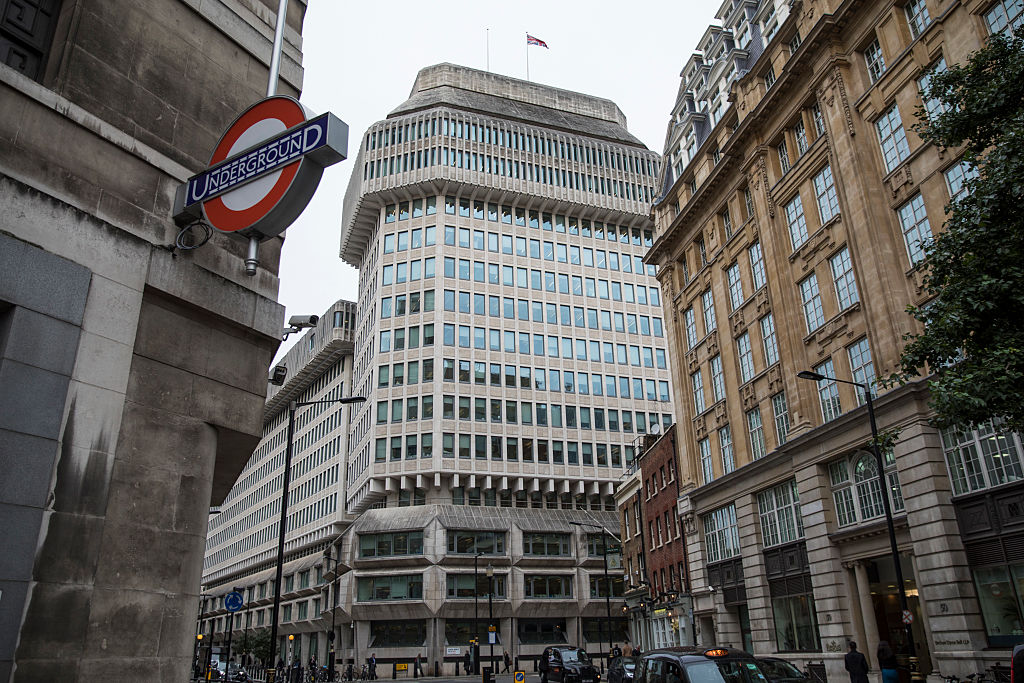
LONDON, ENGLAND - NOVEMBER 17: A general view of the Ministry of Justice on November 17, 2016 in London, England. Brutalism is a style of architecture, which was popular between the 1950s and 1970s, and is typically characterised by large forms and exposed concrete or brickwork. In a speech this month British Transport Minister John Hayes described such modernist architecture as "aesthetically worthless" and called for a "revolt against the Cult of Ugliness". (Photo by Jack Taylor/Getty Images)

Putin’s invasion of Ukraine proves that the West has been asleep at the switch while he set out his plans in plain sight. How did our systems fail us?

As our continent is beset by major state-on-state conflict, there should be reflection on what has gone wrong with Nato and Western policy. Nobody should divert blame from the dictator Putin, whose grotesque narrative about saving Russians in Ukraine from a genocide at the hand of ‘Nazis’ echoes Hitler’s justification for the annexation of the Sudetanland in 1938. Yet it’s true that there has also been a “systems failure” in Whitehall and other key Nato governments.  Leon Trotsky is attributed with the observation: “You may not be interested in war, but war is interested in you.” While Putin has been taking advantage of optimism and complacency, the free world has been too little “interested in war”, and how to deter it, and now war is interested in us. Complacency has strengthened the confidence of dictators and illiberal regimes in the effectiveness of their autocratic systems. Autocrats never face the electoral cycle, so they can think long-term more easily than elected governments....

Subscribe to The Mace

Join the member community shaping British politics and stay ahead of what's really happening in the world of politics and public affairs, with expert analysis, breaking news, and insider insights from Westminster and Brussels. The Mace is the leading news source and resource for the government affairs industry, offering required reading and lobby intelligence for professionals.

To see what you are missing out on by not subscribing to The Mace, click here to download our full membership info-pack. This includes having no paywall on op-ed content or profiles/interviews, allowing professional profiles to be read with maximum impact and visibility by government, special advisers, MPs, peers, civil servants, and policy and political decision-makers.


Brian Moynihan Under Fire: Is Bank of America Stalling Under His Watch?

Mace | March 17, 2025

Bank of America's CEO Brian Moynihan faces intensifying criticism amid accusations of political friction and internal stagnation.


Ports of Contention: CK Hutchison’s $22.8bn Sale Sparks Geopolitical Storm

Mace | March 14, 2025

CK Hutchison's $22.8bn ports sale to a U.S.-led consortium ignites geopolitical backlash from Beijing.

Greenland’s Election Delivers Blow to U.S. Interests in the Arctic

Mace | March 14, 2025

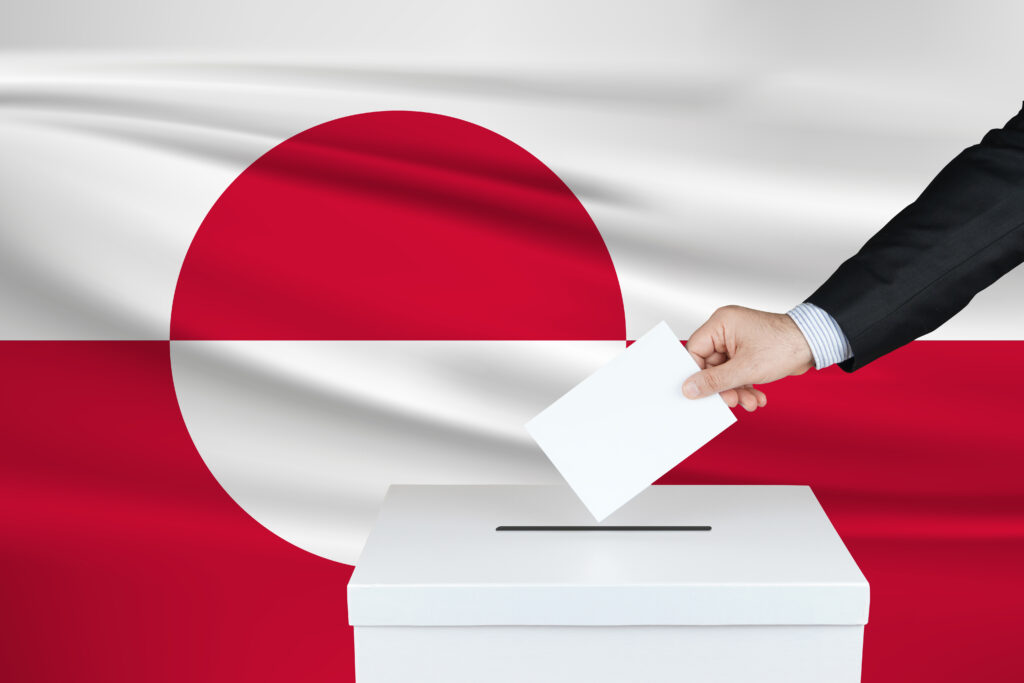
Greenland’s election has dealt a blow to U.S. Arctic ambitions, with voters backing the pro-business Demokraatit Party over pro-independence rivals. The result signals a preference for economic stability
UK Financial Regulators Abandon Diversity and Inclusion Initiatives Amid Political and Industry Pressure

Mace | March 13, 2025

UK financial regulators scrap mandatory diversity rules, sparking debate over growth, governance, and workplace inclusion.

Kenya’s Economic Crossroads: Growth Slowdown, Fiscal Struggles, and Social Unrest in 2024

Thomas Edwards | March 12, 2025

Kenya in Turmoil: Protests, Cuts, and a Struggling Economy

Europe’s Defence Boom: How Rising Military Spending is Reshaping Industry and Investment

Mace | March 11, 2025

Europe's surge in defence spending is fuelling a boom for industry giants like Rolls-Royce and reshaping investment strategies across the continent.
Romania’s Democracy Tested: Far-Right Frontrunner Barred from Presidential Race

Mace | March 10, 2025

Romania bars far-right candidate Călin Georgescu from the presidential race, sparking protests and international scrutiny.

Mark Carney’s Calculated Ascent: Canada’s New Prime Minister Faces Trump’s Trade Turbulence

Thomas Edwards | March 10, 2025

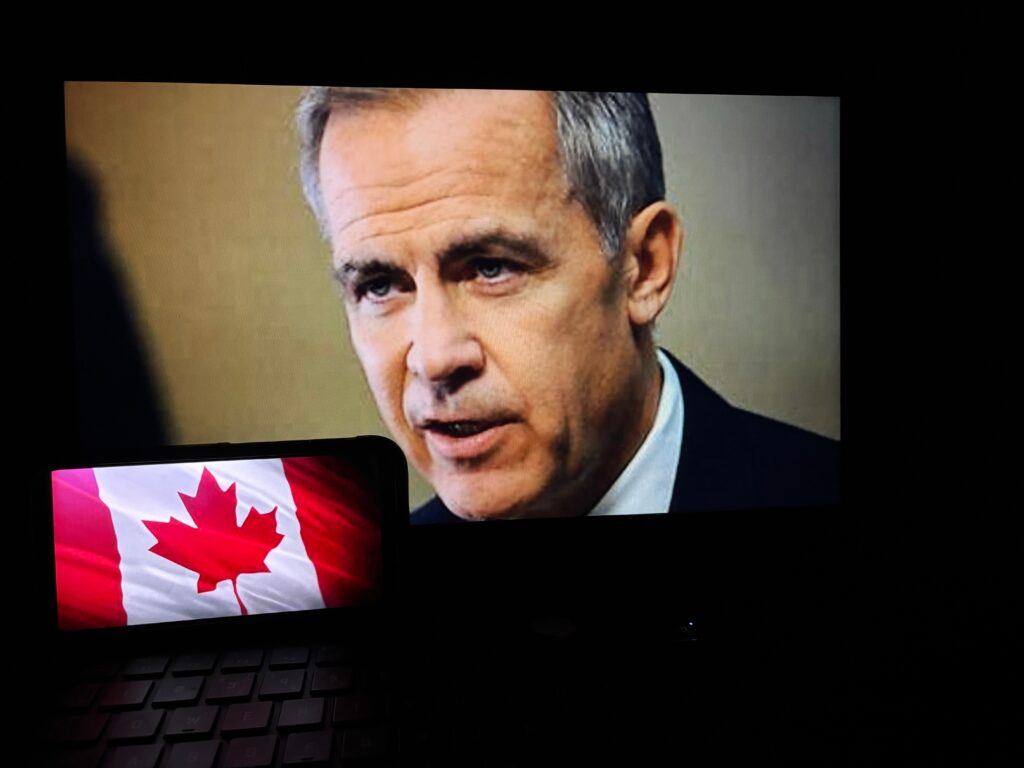
Mark Carney seizes Canada's Liberal leadership, stepping into a trade war with Trump and a fight for Canada's economic future.
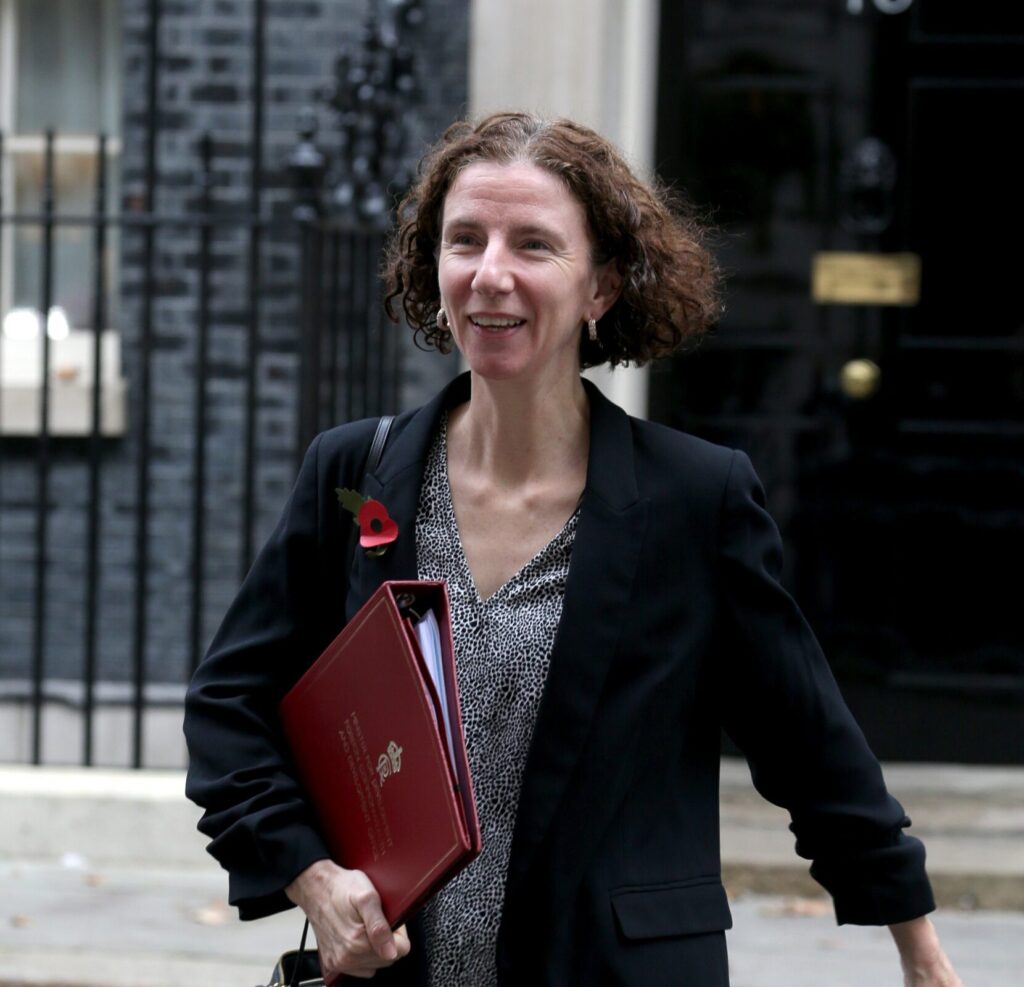
Labour’s Aid Cut Fallout: Anneliese Dodds Resigns, Starmer Faces Backlash

Mace | February 28, 2025

Anneliese Dodds resigns as International Development Minister in protest against Labour’s foreign aid cuts, exposing tensions within Keir Starmer’s leadership.
Sadiq Khan’s £107bn London Growth Plan: A Bold Bid to Revive the Capital

Mace | February 27, 2025

Sadiq Khan’s ambitious London Growth Plan aims to supercharge the capital’s economy with a £107bn boost, 150,000 new jobs, and major infrastructure upgrades—but critics warn of political and