Erskine: Systems failure

Bernard Jenkin | Issue 6 | Magazine, Uncategorised

From the Archive

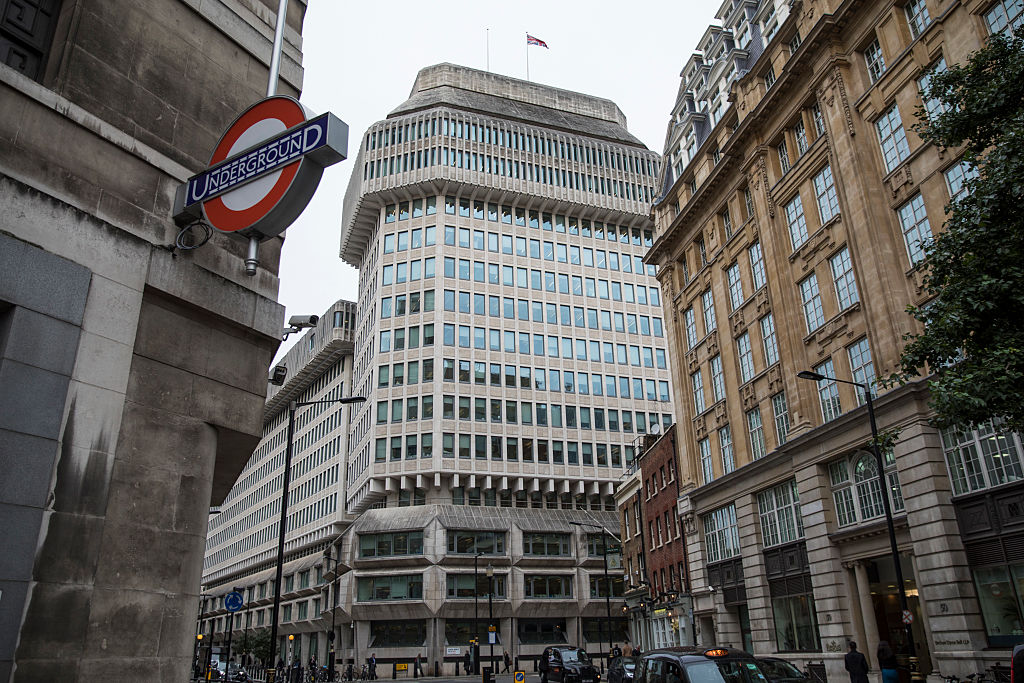
LONDON, ENGLAND - NOVEMBER 17: A general view of the Ministry of Justice on November 17, 2016 in London, England. Brutalism is a style of architecture, which was popular between the 1950s and 1970s, and is typically characterised by large forms and exposed concrete or brickwork. In a speech this month British Transport Minister John Hayes described such modernist architecture as "aesthetically worthless" and called for a "revolt against the Cult of Ugliness". (Photo by Jack Taylor/Getty Images)

Putin’s invasion of Ukraine proves that the West has been asleep at the switch while he set out his plans in plain sight. How did our systems fail us?

As our continent is beset by major state-on-state conflict, there should be reflection on what has gone wrong with Nato and Western policy. Nobody should divert blame from the dictator Putin, whose grotesque narrative about saving Russians in Ukraine from a genocide at the hand of ‘Nazis’ echoes Hitler’s justification for the annexation of the Sudetanland in 1938. Yet it’s true that there has also been a “systems failure” in Whitehall and other key Nato governments. 

Leon Trotsky is attributed with the observation: “You may not be interested in war, but war is interested in you.” While Putin has been taking advantage of optimism and complacency, the free world has been too little “interested in war”, and how to deter it, and now war is interested in us.

Complacency has strengthened the confidence of dictators and illiberal regimes in the effectiveness of their autocratic systems. Autocrats never face the electoral cycle, so they can think long-term more easily than elected governments. They can impose order, suppress dissent, generate their own narrative and history. They can put their own interests ahead of their national interests. Autocracy still has to be based on a bargain of sorts: in return for your lack of freedom, you will be looked after (a bargain which the sanctions on Russia will, over time, cause to unravel). By contrast, democracies look chaotic, particularly …

Subscribe to The Mace

Join the member community shaping British politics and stay ahead of what's really happening in the world of politics and public affairs, with expert analysis, breaking news, and insider insights from Westminster and Brussels. The Mace is the leading news source and resource for the government affairs industry, offering required reading and lobby intelligence for professionals.

To see what you are missing out on by not subscribing to The Mace, click here to download our full membership info-pack. This includes having no paywall on op-ed content or profiles/interviews, allowing professional profiles to be read with maximum impact and visibility by government, special advisers, MPs, peers, civil servants, and policy and political decision-makers.


Toby Young’s House of Lords Diary

Mace | March 24, 2026

With invitations coming in to speak at the 2026 autumn party conference season, freedom of speech campaigner Toby Young reflects on his political status 'upgrade' from hack to

Digital Confidential: Politics and technology column by Damian Collins

Mace | March 12, 2026

As AI turbocharges social media, tech giants must be held accountable says the former chair of the DCMS select committee who now leads law firm Geradin Partners' public

Greens win Gorton and Denton

Oliver Dean | February 27, 2026

The Green's victory reflects a changing mindset in British politics
The Westminster art of selection: How to become an MP

Gus Carter | February 20, 2026

With Reform receiving 600 new candidate applications in 48 hours, it's clear some people still want to become an MP. Our Westminster insider reveals how to get selected

Green Party leader gets new communications advisor

Oliver Dean | February 17, 2026

Polanski's new communications advisor shows that the Green Party leader is serious about his public image.

Trade body describes the Government’s new electric HGV plan as a ‘monumental challenge’

Oliver Dean | February 17, 2026

With only 1 in 70 new HGV's being electric, the government must assist with infrastructure investment says industry leader

The Mace Questionnaire: Preet Gill MP

Mace | February 16, 2026

Westminster Index 2026: Edgbaston Labour MP Preet Gill reveals she's no fan of the Assisted Dying Bill but loves Jack Kerouac's On the Road. Her musical tastes range

Blakeney bolsters its team with new additions

Madeline Dabbah | February 13, 2026

Blakeney has welcomed former drinks company Oatly managing director Tim Knight and pro-Brexit MEP Lucy Harris, in an effort to strengthen their position, the public affairs and strategic
Hanbury goes global

Oliver Dean | February 13, 2026

Hanbury's decision to erect offices in Washington and Sydney showcases the firms' strong public image.

Scott Colvin on a life in public affairs

Mace | February 9, 2026

Scott Colvin, Group Director of Public Affairs at Aviva, on why business is taking public affairs seriously and why he turned down a top job at No 10