Erskine: Systems failure

Bernard Jenkin | Issue 6 | Magazine, Uncategorised

From the Archive

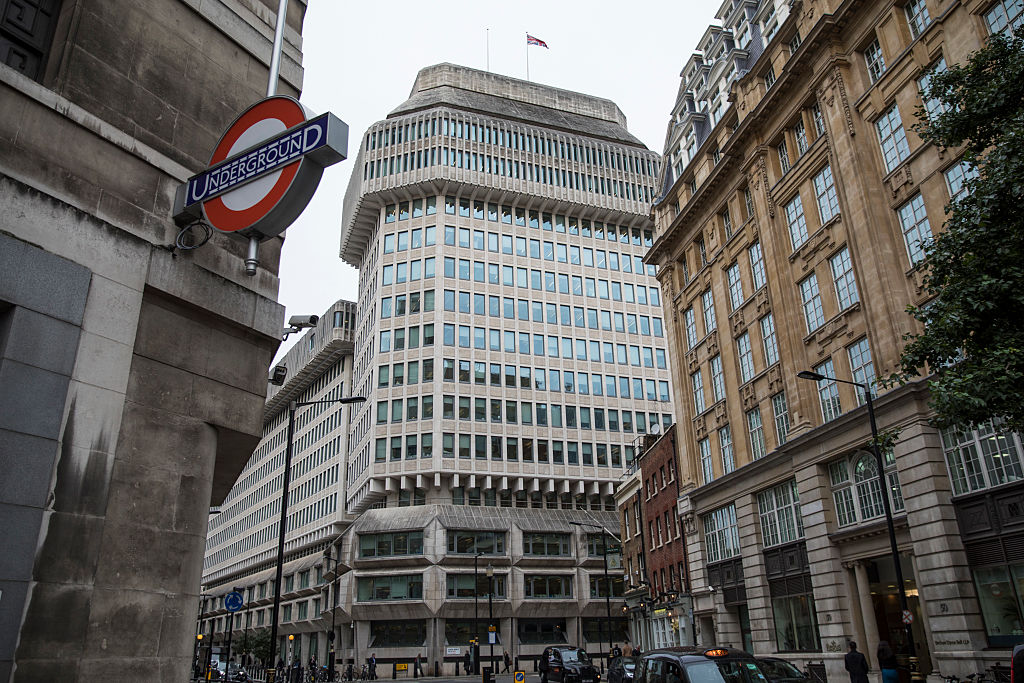
LONDON, ENGLAND - NOVEMBER 17: A general view of the Ministry of Justice on November 17, 2016 in London, England. Brutalism is a style of architecture, which was popular between the 1950s and 1970s, and is typically characterised by large forms and exposed concrete or brickwork. In a speech this month British Transport Minister John Hayes described such modernist architecture as "aesthetically worthless" and called for a "revolt against the Cult of Ugliness". (Photo by Jack Taylor/Getty Images)

Putin’s invasion of Ukraine proves that the West has been asleep at the switch while he set out his plans in plain sight. How did our systems fail us?

As our continent is beset by major state-on-state conflict, there should be reflection on what has gone wrong with Nato and Western policy. Nobody should divert blame from the dictator Putin, whose grotesque narrative about saving Russians in Ukraine from a genocide at the hand of ‘Nazis’ echoes Hitler’s justification for the annexation of the Sudetanland in 1938. Yet it’s true that there has also been a “systems failure” in Whitehall and other key Nato governments. 

Leon Trotsky is attributed with the observation: “You may not be interested in war, but war is interested in you.” While Putin has been taking advantage of optimism and complacency, the free world has been too little “interested in war”, and how to deter it, and now war is interested in us.

Complacency has strengthened the confidence of dictators and illiberal regimes in the effectiveness of their autocratic systems. Autocrats never face the electoral cycle, so they can think long-term more easily than elected governments. They can impose order, suppress dissent, generate their own narrative and history. They can put their own interests ahead of their national interests. Autocracy still has to be based on a bargain of sorts: in return for your lack of freedom, you will be looked after (a bargain which the sanctions on Russia will, over time, cause to unravel). By contrast, democracies look chaotic, particularly …

Subscribe to The Mace

Join the member community shaping British politics and stay ahead of what's really happening in the world of politics and public affairs, with expert analysis, breaking news, and insider insights from Westminster and Brussels. The Mace is the leading news source and resource for the government affairs industry, offering required reading and lobby intelligence for professionals.

To see what you are missing out on by not subscribing to The Mace, click here to download our full membership info-pack. This includes having no paywall on op-ed content or profiles/interviews, allowing professional profiles to be read with maximum impact and visibility by government, special advisers, MPs, peers, civil servants, and policy and political decision-makers.


Mandelson’s lobbying firm in disarray as CEO departs

Oliver Dean | February 6, 2026

Benjamin Wegg-Prosser, who co-founded the lobbying firm Global Counsel alongside Peter Mandelson has today resigned following significant backlash regarding the firm’s link to Jeffrey Epstein.

Russell Group turns to public policy veteran for next phase of university lobbying

Thomas Edwards | January 21, 2026

The Russell Group has picked Professor Libby Hackett, an Australia based public policy specialist, as its next chief executive, handing the UK’s most influential research university lobby to
Brussels Opens EU Arctic Policy Review With Public Consultation

Mace | December 29, 2025

The European Commission launches a public consultation to update EU Arctic policy amid climate pressures and rising geopolitical stakes.

China slaps dairy levies of up to 42.7 percent on EU exports

Mace | December 23, 2025

Beijing imposes provisional anti subsidy duties on EU dairy products, deepening trade tensions and hitting exporters across the bloc

Germany calls for overhaul of EU foreign subsidy rules

Mace | December 23, 2025

Berlin urges a full rethink of EU foreign subsidy controls, warning current rules impose heavy burdens and risk harming investment.
EU Council signs off delay and simplification of deforestation law

Mace | December 23, 2025

EU governments approve targeted revisions delaying the deforestation regulation, easing compliance demands while keeping core environmental safeguards in place
EU moves to expand carbon border levy to shut loopholes in polluting imports

Mace | December 19, 2025

Brussels plans to widen its carbon border levy, targeting downstream goods and loopholes to prevent carbon leakage and protect EU industry
Thai baht surge to multi year highs tightens squeeze on exporters

Mace | December 16, 2025

Thailand’s baht hits multi year peak, squeezing exporters and forcing policy makers to juggle currency stability, trade competitiveness and fragile economic recovery

Italy Joins Belgium in Challenging EU Plan to Use Frozen Russian Assets

Mace | December 15, 2025

Italy aligns with Belgium to oppose Brussels’ plan to deploy frozen Russian assets for Ukraine, complicating efforts ahead of key EU summit.

Democratic Led States Sue Trump Over $100,000 H-1B Visa Fee

Mace | December 13, 2025

Twenty US states challenge Trump’s $100,000 H-1B visa fee, arguing it exceeds presidential authority and threatens labour markets.