Jenrick is right to abolish the Tourism Tax to save the Great British staycation
The government's new 5% tourism tax and overnight levy is the last thing the UK's hospitality sector needs, says William Cash

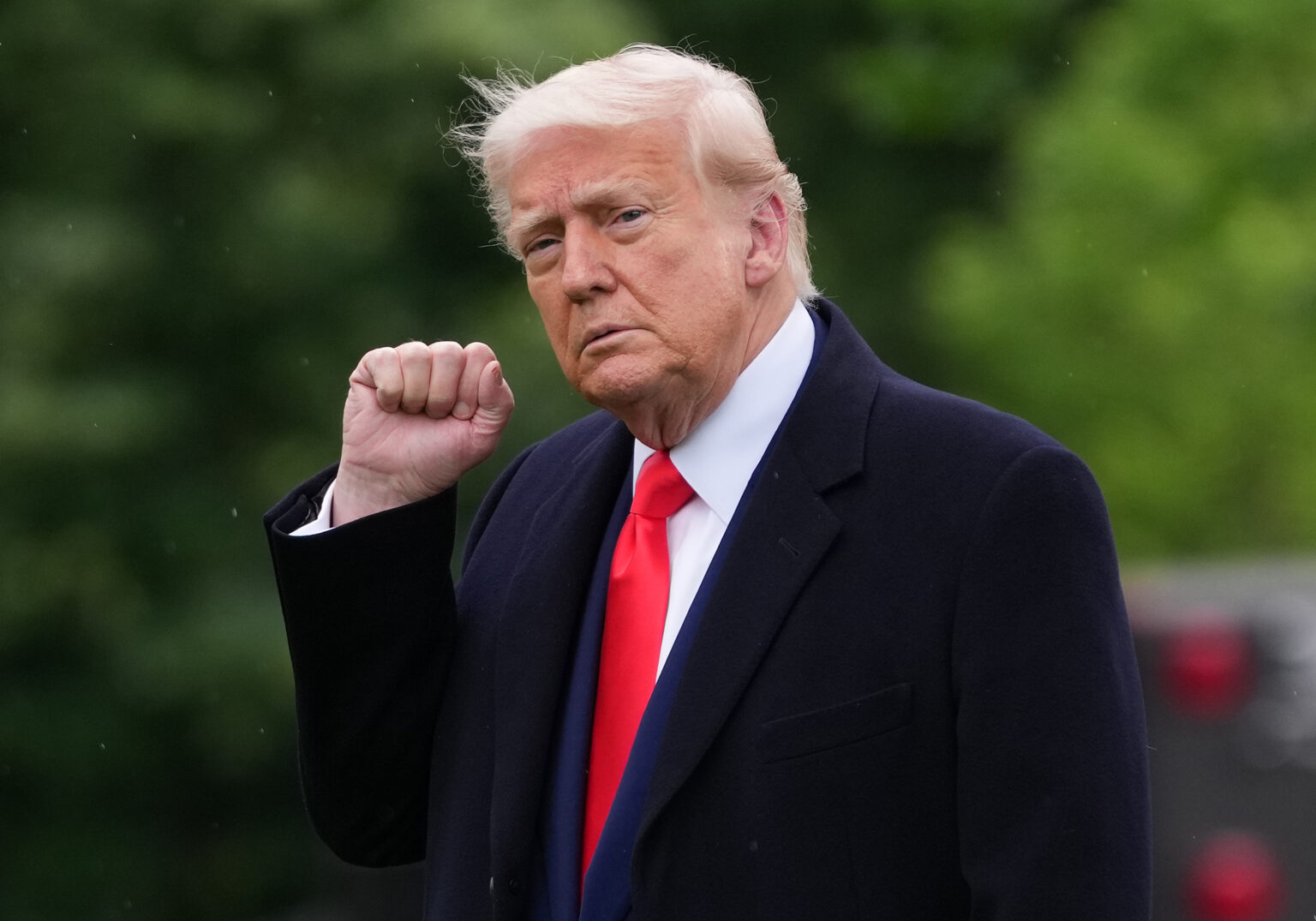
Trump told America to treat the midterms as a vote on him. It did. Now comes the reckoning, writes Mace editor-in-chief William Cash from California.
Donald Trump spent the closing weeks of the campaign urging supporters to vote as if his name were on the ballot. They took him at his word, though not as he hoped. On November 3rd Americans delivered what Politico called “a GOP defeat of historic proportions”. Democrats took the Senate and the House. Not since Watergate, The Spectator observed, has a Republican president faced such a midterm reckoning.
The president’s response was characteristic. He told the New York Times he would accept the results: “We’ll work with the Democrats… We’ll probably work something out.” He also disowned the defeat. “I wasn’t on the ballot — if I was on the ballot, we’d have won easily,” he told Politico. To the Wall Street Journal he conceded that “Iran was a piece of it”. But he argued that the surge in oil and petrol prices, more than the war itself, did the damage, and said he would launch the campaign again. On Truth Social he posted an image of a red “VETO” cap.
This is not how it was meant to be. Eight months of war with Iran, diesel prices near record highs, the ire of NATO allies over repeated flip-flops on Ukraine, and a cost-of-living squeeze at home have all been punished at the polls. The question now is what a weakened president does with two years and eleven weeks left in office.
The polls were right, and then some. The Associated Press called the Senate for Democrats late on Tuesday night after Josh Turek won in Iowa. By Wednesday morning Al Jazeera counted 53 Democratic seats, with several races still too close to call. Democrats needed a net gain of four and flipped at least six. James Talarico beat Ken Paxton in Texas, becoming the state’s first Democratic senator since 1988. Adam Hamilton won Kansas, the first Democrat to do so since 1932. Annie Andrews unseated Darline Graham in South Carolina. Sherrod Brown won back a seat in Ohio, and Roy Cooper took North Carolina.
In the House, the AP reported that Democrats crossed the 218 seats needed for a majority. NBC projected as many as 244, overcoming Republican gerrymanders. The Economist called it “a blue tsunami that exceeded most analysts’ expectations”. Exit polls point to the causes. In The Spectator’s account, 90% of voters said corruption was a major factor in their vote. Candidates who won Republican territory, it noted, turned the election into “a referendum on diesel prices”.
The first weapon Democrats will reach for is the subpoena. Rep. Robert Garcia, the incoming chairman of the House Oversight Committee, offered the president two words of advice: “Lawyer up.” His committee plans to start with the Trump family’s crypto ventures, beginning with World Liberty Financial and a $500m stake bought by an Emirati royal. It will also look at Pentagon contracts worth more than $725m awarded to companies linked to Eric Trump and Donald Trump Jr, Fortune reports. In the Senate, Richard Blumenthal, expected to chair the Permanent Subcommittee on Investigations, was blunt: “We will use our subpoena power, absolutely.”
Corporate America is in the line of fire too. Democrats have already written to Amazon, Apple, Meta, Microsoft and Nvidia about donations to Mr Trump’s White House ballroom. “The most damaging allegations are allegations of a quid pro quo,” warns Matthew Miller of Vianovo, a consultancy. Hakeem Jeffries, now set to be Speaker, has promised to “hold the crooks accountable beginning on Day One”.
Yesterday this piece described losing the Senate as the nightmare scenario for Mr Trump. It has now happened. From January 3rd the Senate confirms his judges, cabinet secretaries and ambassadors only with Democratic consent, and that includes any Supreme Court vacancy. Every spending bill will need Democratic votes in both chambers, starting with government funding that expires on December 11th.
The war is the sharpest test. A September resolution to halt military action in Iran failed 49-50 in a Republican Senate. With control of both chambers, Senator Chris Murphy says Democrats will have a “mandate” to use the power of the purse to end it. Mr Trump insists the war will end “when I say it ends”. He has warned he will “veto everything” Democrats send him. Democrats lack the two-thirds majorities needed to override him. Yet they can force him to veto measures many voters like.
Then there is impeachment. Mr Jeffries, who was one of the managers of Mr Trump’s first impeachment, has refused to rule out a third. A House majority can impeach on its own. Conviction needs 67 senators, which Democrats are nowhere near. But a third trial would still consume much of the president’s final stretch.
The White House’s answer will be executive power. Stephen Miller, the deputy chief of staff, and Will Scharf, the White House counsel, have spent months studying how far the president can go on his own. Their list includes new tariffs, tighter visa rules and orders on housing costs, along with ways to defend such moves in court. Mr Trump has pointed to the Supreme Court’s ruling in Trump v. Slaughter as widening his authority over federal agencies. Newsweek expects policy to migrate “to executive orders and courtrooms”.
The next nine weeks matter most. Republicans control Congress until January 3rd, and Mr Trump has said the Iran question would be settled after the vote. Some fear a humiliated president will escalate. “He has shown a pattern in which, in the face of humiliation and defeat, he becomes more reckless,” says Trita Parsi of the Quincy Institute.
Tuesday’s vote has also fired the starting gun on the contest to succeed him. The constitution bars a third term, and JD Vance remains the Republican front-runner. But Mr Vance campaigned hard for the party’s candidates and, as heir apparent, will own its defeat. Yesterday’s warning from Peter Loge of George Washington University now reads as a forecast: a rout could “take some of the wind out of the MAGA sails”. Mr Vance must now choose whether to put distance between himself and a president whose base remains loyal. John Fund, writing in The Spectator, argues that Mr Trump’s record on corruption “will be a burden” for the vice-president if he runs.
Democrats, meanwhile, have their own template. Politico’s parallel is 2006, when an unpopular war in the Middle East handed Nancy Pelosi both chambers, and Barack Obama took the White House two years later. Gavin Newsom has said he will weigh a run now that the midterms are over. As Politico put it, today’s Democrats “have two years to find their Obama”.
For a president who prizes loyalty and dreads irrelevance, that may be the cruellest prospect of all. He is a lame duck facing a hostile Congress, and his party has already started looking past him.
The government's new 5% tourism tax and overnight levy is the last thing the UK's hospitality sector needs, says William Cash
The question of money buying influence in politics is centuries old and not going away

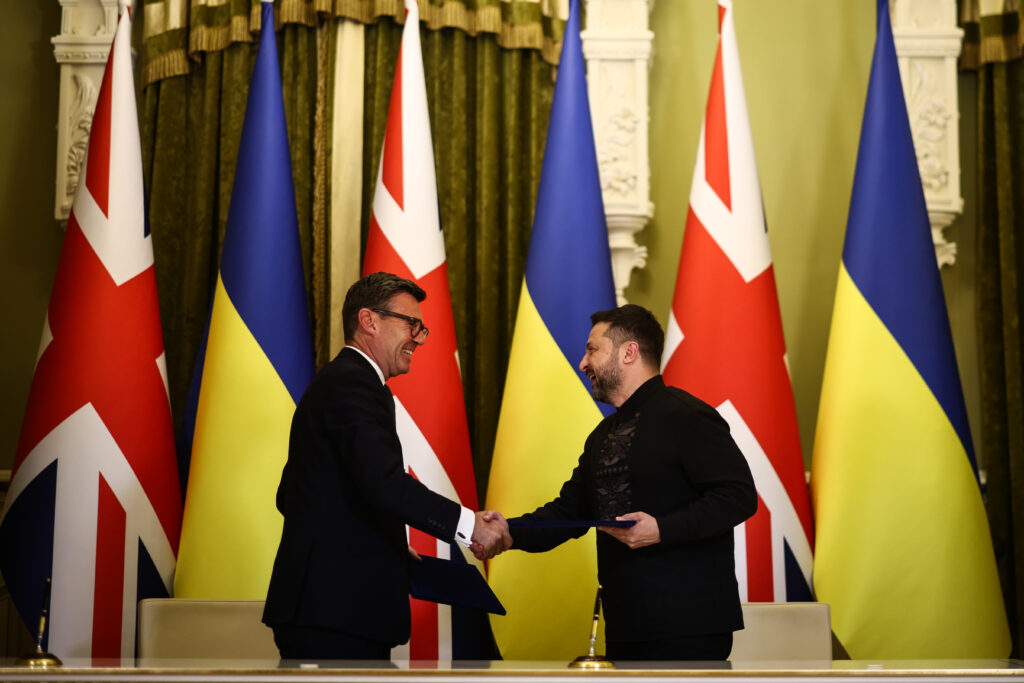
The Prime Minister’s first foreign visit was a welcome act of solidarity. But for Ukraine, British friendship will be judged by whether it can help unlock the air
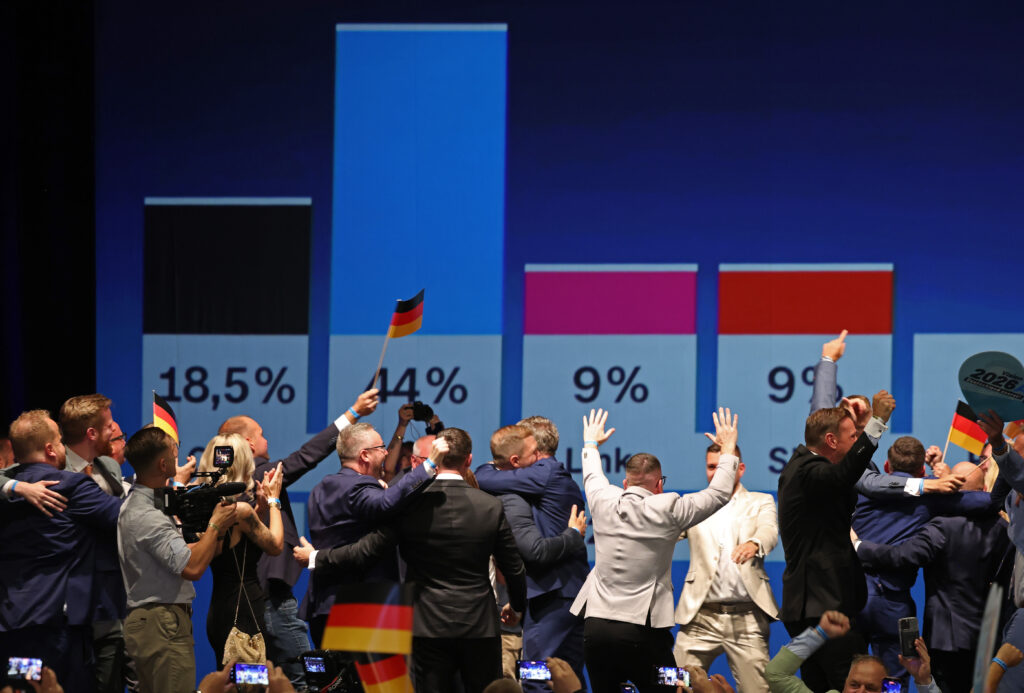
After walking through Saxony, James Jeffrey is not surprised by the AfD’s dramatic election win in Germany.
One of the world’s richest men has been accused of ‘harbouring stolen lemurs’: The Mace reveals a cautionary tale in fake news.

Seasoned Farage aide-de-camp Gawain Towler reflects on Reform's first ever Business Day at the NEC - and what it's like when a media grenade goes off during the
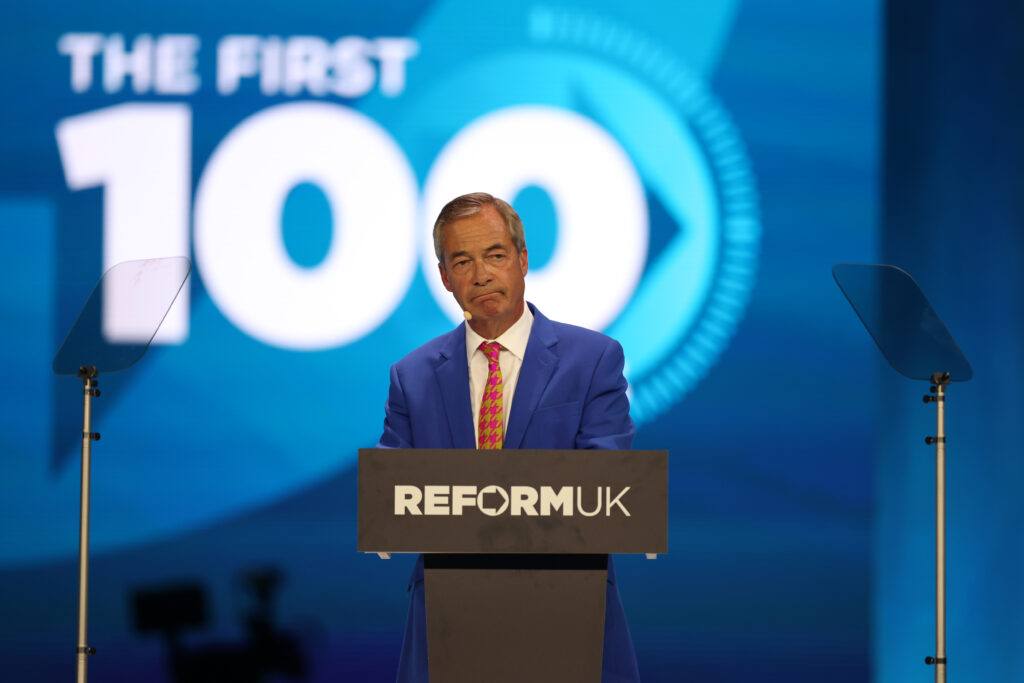
With a new team behind her, the latest Tory reshuffle has put the party on early election watch as well as showing her ruthless side.

Andy Burnham addressed the House of Commons for the first time as Prime Minister as MPs returned to Parliament. How did he do at the dispatch box and

September and October usually mark the most intense period of political activity in the UK, here is what to expect.
Andy Burnham has promised to keep the pressure on Russia despite Moscow’s “outrageous threats”, on his first official overseas visit to Ukraine as Prime Minister.
