The King of the North Takes Downing Street: Burnham’s Great Purge
The ruthlessness of Andy Burnham’s purge has taken the country back to Macmillan's Night of the Long Knives. Media reaction has been predictably partisan, with the choice of


Love or hate the current American administration, at least they have a consistent electoral cycle where the choice of the electorate is upheld.
The United Kingdom is becoming the “new Italy”, infamous for its constant changes of government. Now we have had as many prime ministers in the last 10 years as the previous 40; the time has come to seriously question the credibility of our electoral cycle.
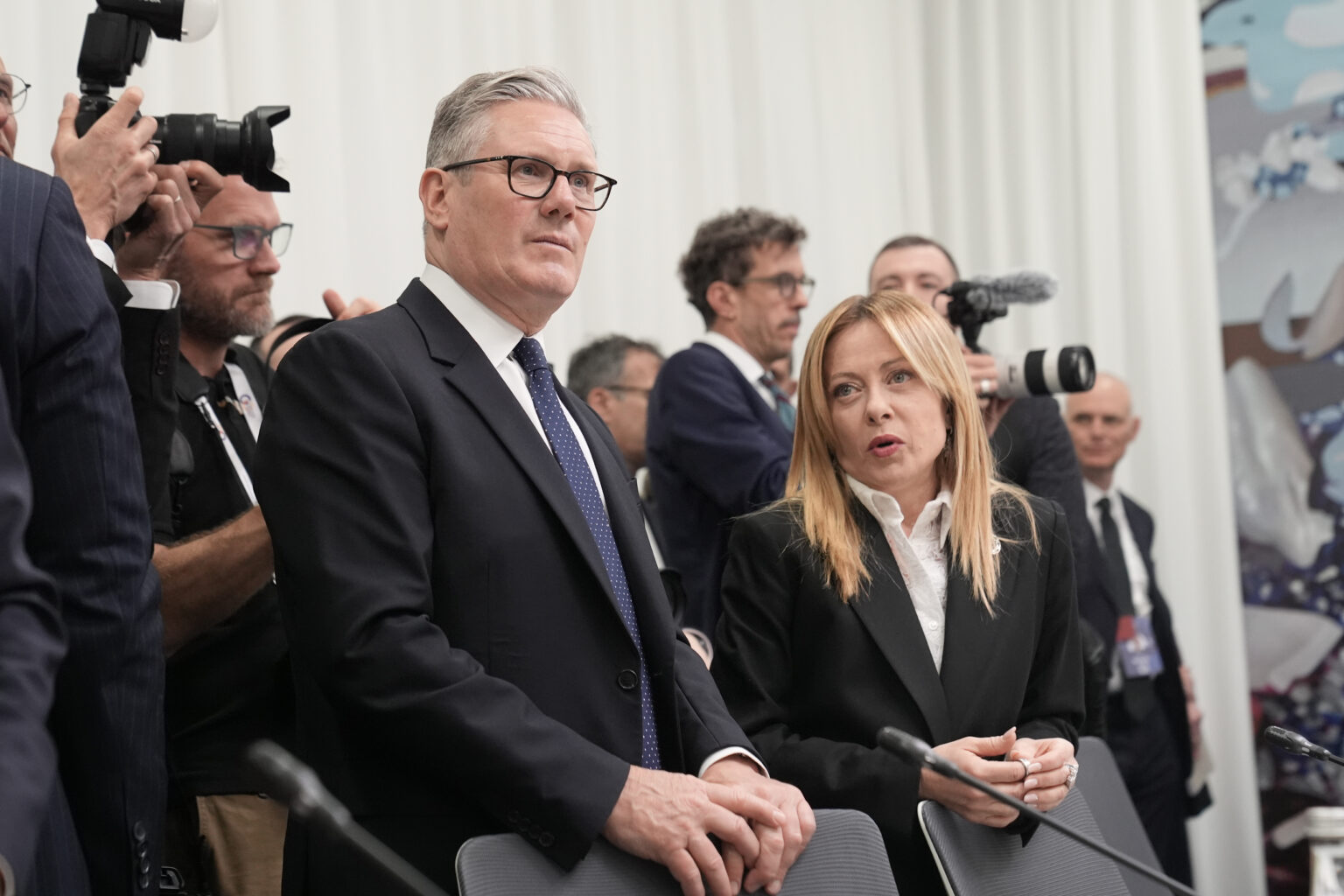
Makerfield was always going to be a lose-lose for Keir Starmer. Either it was a victory for populist Reform, who are already gunning to take down Labour in the next general election, or a triumph for Andy Burnham who is now on his way to take Starmer’s job off him. You can imagine Sir Keir’s frustration that after winning a landslide general election where under his leadership Labour secured 411 seats, he would lose the premiership to a man who won only one. The UK is starting to look like post-war Italy, where prime ministers came and went so quickly they were effectively summer interns. Except now, Giorgia Meloni is about to complete her fourth year, while the UK has not had a prime minister serve four years or more since Cameron (remember him?).
“The word ‘resignation’ is hardly heard of.”
American democracy has its flaws, but one thing is promised – once you elect a leader, they are there to stay till the next election. The word ‘resignation’ is hardly heard of. In fact, there has only ever been one – Richard Nixon over the Watergate scandal. Much like a marriage, ‘for better or worse’ when the American people choose their leader, they stay. British citizens have no such privilege –it should come as no surprise that voter turnout is getting so low. Older members of Gen Z are now going to be on their 9th prime minister, making many young people wonder – does my vote have value anymore?
“Populists, who often offer convincing but often over-simplified solutions to complex problems, make it difficult for more centrist parties to reassure the public of their competence.”
Giorgia Meloni is the favourite to win the next election and could be governing from Rome for years to come. At the same time, the UK’s political system is looking more like the fickle and divided Italy that existed before her tenure. For instance, one parallel that is emerging is the prevalence of populism. In Italy, most parties have a populist culture. In the UK, we now not only have the populist parties of Reform and Restore on the right, but the Green Party which is rallying populist forces on the left. Populists, who often offer convincing but often over-simplified solutions to complex problems, make it difficult for more centrist parties to reassure the public of their competence.
Starmer was a flawed Prime Minister. He lacked the charm, strategy, and political instincts needed to keep his party and cabinet united—let alone win over the public. However, he is intelligent and decent, with a respectable record in important areas such as foreign affairs. He is unpopular, but so too are President Macron in France and Chancellor Merz in Germany, all of whom are struggling with the electoral pressures created by slow economic growth, the war in Ukraine, and now the costly conflict in Iran.
Britain also faces the long-term consequences of Brexit and the substantial debt accumulated through government spending during the COVID years. These challenges will confront Burnham just as they will confront whoever succeeds him. And the ministerial revolving door is likely to continue disrupting the business of government and hindering efforts to address these issues.
Dr Victor Araújo, Lecturer in Comparative Politics at the University of Reading, said: “The resignation of Keir Starmer as UK Prime Minister should not be viewed solely through the lens of British politics. It is part of a broader pattern that has emerged across many democracies, including in Latin America, where governing parties and political establishments have struggled to maintain public support in a context of weak economic growth, rising insecurity, and growing political polarisation.
“When voters perceive that living standards are failing to improve, incumbent governments often face electoral punishment regardless of their ideological orientation.”
Calling a snap election to provide a mandate for Burnham’s leadership would carry immense political risk, especially considering result of the recent local elections. And even if he does win, that is no longer a guarantee that he would survive a full term. However, if he does not, he faces accusations of a lack of legitimacy. Regardless, Burnham will almost certainly need to establish his own record of government before facing voters.
“Our political system has become too volatile and unforgiving for any leader to assume their position is secure.”
Either way, Burnham cannot rest on his laurels for long. Our political system has become too volatile and unforgiving for any leader to assume their position is secure.
The ruthlessness of Andy Burnham’s purge has taken the country back to Macmillan's Night of the Long Knives. Media reaction has been predictably partisan, with the choice of
James Purnell’s return to frontline politics is more than a nostalgic Blair-Brown era reunion. As Andy Burnham builds his Downing Street operation, public affairs professionals will need to

To date, Reform is yet to appoint a foreign affairs spokesperson. Jonathan Singh looks at Reform's new approach to international affairs with the appointment of Dr Alan Mendoza

The death of Ann Widdecombe raises serious questions about the security of high-profile politicians. The shocking episode seems out of Midsomer Murders with the former Tory minister being turned into

Beatriz Santos argues that both scientific evidence and lived experience should remain the foundation of policymaking, especially for understanding how people succeed in quitting cigarettes.

The former head of the Foreign Office is now taking legal action, putting the government's treatment of senior civil servants under fresh scrutiny.

Overhauling the Tory candidates list is a shrewd political move which will allow her to put her own stamp on the party, and more importantly, shape its future,

Before he has even begun, Burnham has incisively communicated his plan for the country. As MPs are scrambling for positions in cabinet, his comms team are assembling.

Farage says ‘the people of Clacton should be the judges of my actions’, but is this his most reckless move yet?
After Andy Burnham's first major speech since the resignation, devolution has been the word on everyone's lips - Gill Morris explains why it's the way forward.