Parliamentary staff register changes risk widening UK’s lobbying transparency gap, warns CIPR
Changes made to the parliamentary register of interests could decrease transparency and muddy the lobbying waters, experts argue.


The accusation that AI has the potential to ‘kill all humans’ in the next decade has sent shockwaves around the world, but what are the controversial AI companies’ actual ties to the British state? And how deep do they run?
Anthropic has found itself in the headlines again after it told investors that advanced AI could pose “catastrophic or existential risks to humanity” as it prepares for a potential £1.5 trillion floatation. The terrifying warning is inside the startup’s IPO prospectus which has yet to be made public. The prospectus outlines the company’s finances, growth plans and risk profile ahead of share listing. It allegedly warns that AI models could exhibit “self-preserving behaviours”, including attempts to “resist shutdown”, to “conceal or manipulate information” and behaviour “resembling blackmail”.
“Catastrophic or existential risks to humanity”
The developer of the Claude chatbot has reportedly said: “Our development of highly advanced models, platforms, and applications and expansion of use cases could further increase the risk that our models cause harm” according to Reuters and the Financial Times. This week, OpenAI announced it had cancelled the release of its newest model because of safety concerns. The organisation said the GPT-6.1 Astra model showed higher levels of deception and performed poorly on tests for alignment, the term for ensuring a model adheres to human values and goals.
However, despite the concerns that surround these companies and their impact on humanity – they are actively allowed to maintain close lobbying ties to the UK government.
For instance, Matt Clifford, who wrote the Government’s AI Opportunities Action Plan and helped establish the AI Security Institute, joined Anthropic as managing director of international affairs on 2 September. Following criticism of a potential conflict of interest, he has now announced that he will leave his parallel role as chair of the state-backed Advanced Research and Invention Agency on 6 November. This shows that Anthropic is no longer merely lobbying the British state. It is recruiting the people who designed the state’s AI policies and understand how decisions are made across Downing Street, Whitehall and Parliament. Clifford’s move—and the controversy surrounding his ARIA position—raises immediate questions about the loss of public-sector expertise, the operation of the revolving door and the advantages available to an AI company able to construct a formidable public-affairs function in-house.
Another key move has been Lord Liam Booth-Smith who was the former No.10 Chief of Staff for Rishi Sunak and is currently a Tory Peer. He took an external affairs role after entering the House of Lords but the Advisory Committee on Business Appointments has restricted him from direct UK government lobbying. Former Prime Minister Rishi Sunak also accepted a part-time advisory role acting as an internal “think tank” for Anthropic. He too has been barred from lobbying ministers or advising on government contracts due to the high risk of perceived unfair access. However, the opaque nature of UK lobbying is a point of contention in the public affairs industry, and formal restrictions cannot be exclusively relied upon to ensure best practice.
Changes made to the parliamentary register of interests could decrease transparency and muddy the lobbying waters, experts argue.
As CEO of Inline Policy, Shomik Panda combines political insight with commercial understanding. Selected as a Mace Top 100 lobbyist, expertise includes where digital technology intersects with travel,

As Chief Executive of CIPR, Alastair McCapra is both a public affairs industry leader and also one of its more persistent critics. In his Mace profile, subjects range

As Revolut's Head of UK Government affairs, Rory Tanner's mission is to help CEO Francesca Carlesi grow the $75 billion financial app to 25 million customers. He tells

With English Tourism week running until 23rd March, Ben Spier speaks out about the new tourist levy and the impact of increasing taxation and regulation on tourism.
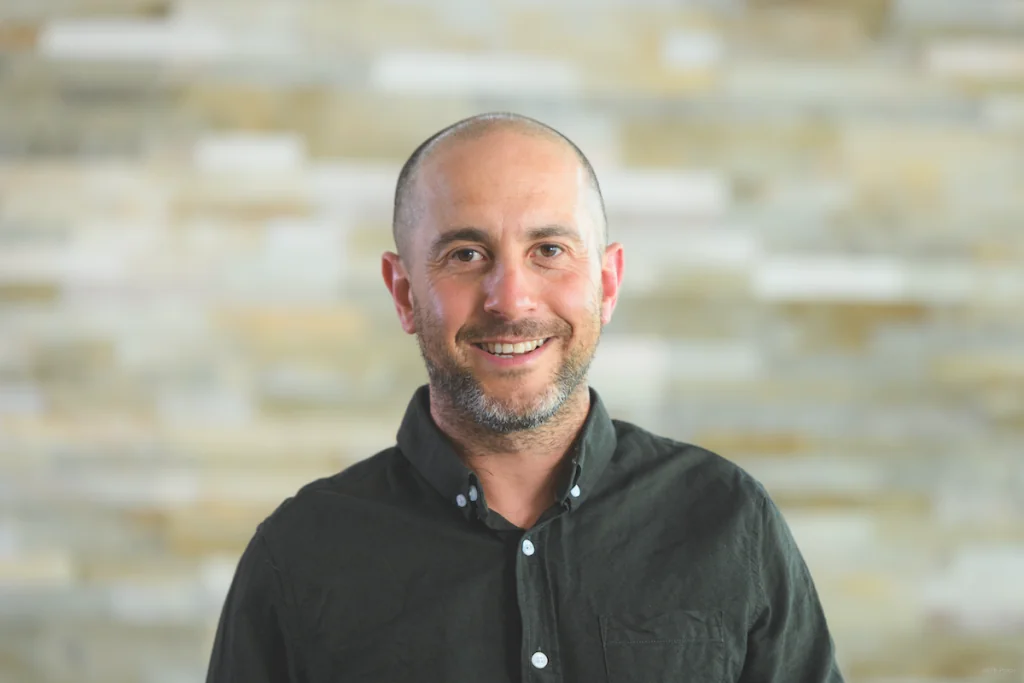
Greg Rosen, senior counsel at SEC Newgate, led the team which won the best consultancy campaign award at the 2026 PRCA awards. In a deep-dive, Rosen tells The

WA Communications, Pendragon and Cavendish were amongst some of the names that came out on top
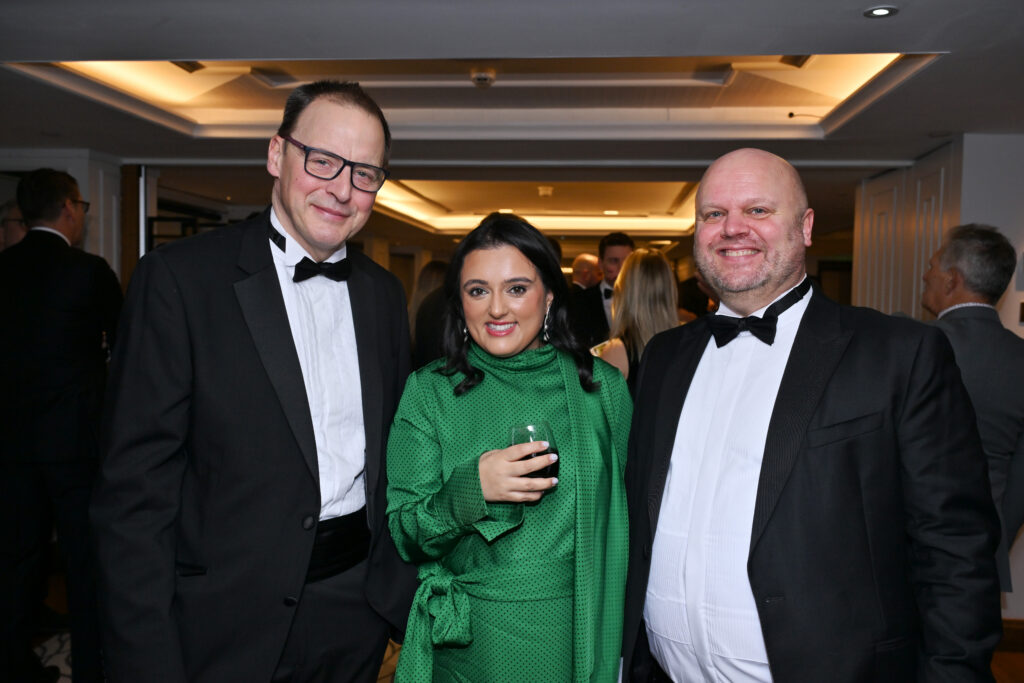
Kirsty Walmsley's move to PLMR signals that Reform are being treated as a real political force, rather than an outside threat.

Following Global Counsel's demise a few weeks ago, talent from the firm has already been picked up by a number of big name PA and communications agencies.

The UK Public Affairs Watchdog has called for a stricter framework to increase transparency and accountability
