Yermak’s Resignation Sends Shockwaves Through Kyiv and Europe

Mace | 29th November 2025 | Brussels, International, Moves, Uncategorised
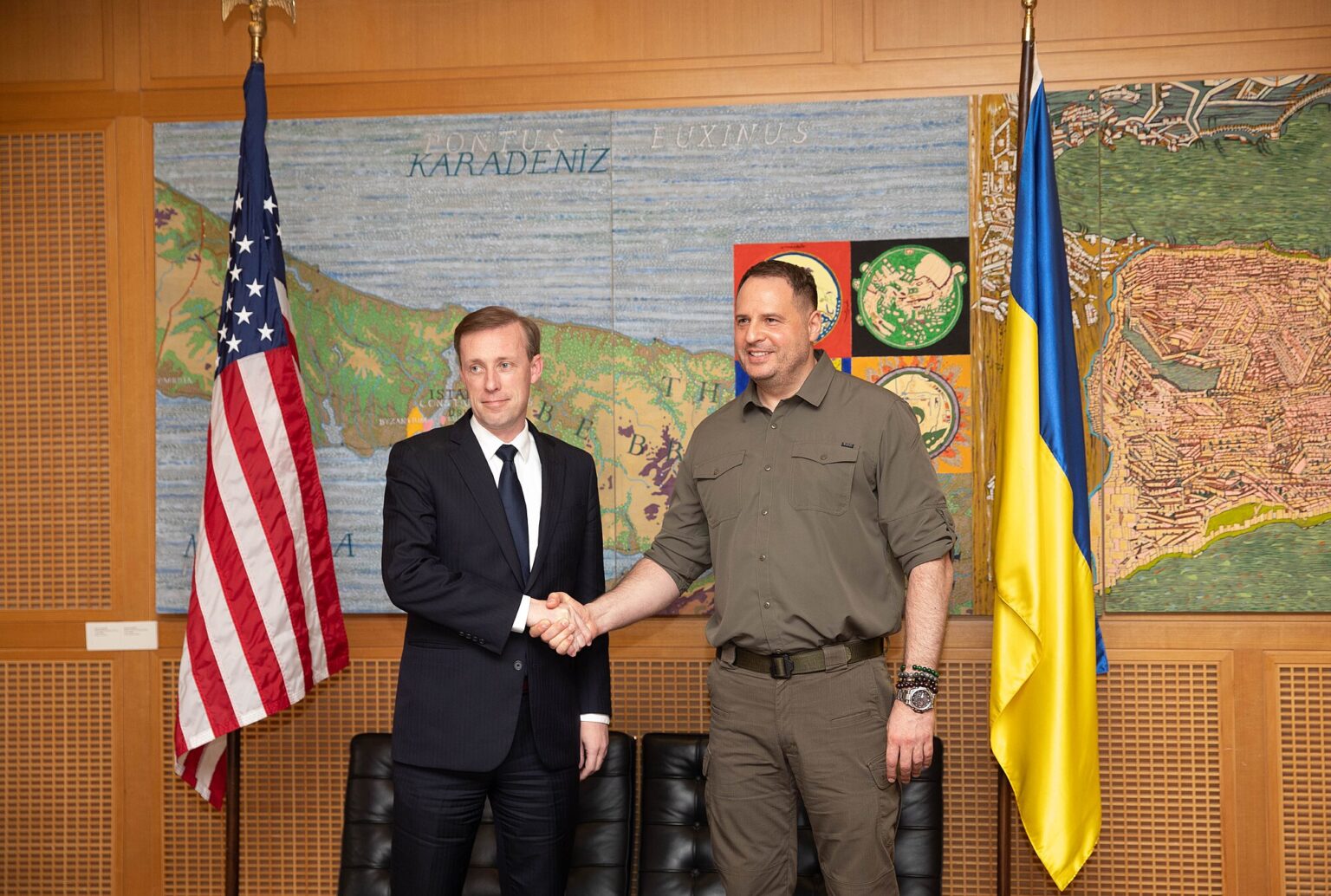
Andriy_Yermak_and_Jake_Sullivan_in_Istanbul_(2022-10-02)

The resignation of Andriy Yermak after anti-corruption raids disrupts Ukraine’s leadership and triggers uncertainty across Europe during a critical phase of the war.

Ukraine’s leadership has been shaken after the resignation of Andriy Yermak, the head of the presidential office and chief negotiator for peace talks, a move that is reverberating across Europe and sending fresh uncertainty through Kyiv’s wartime agenda. Yermak stepped down on 28 November 2025 after anti-corruption authorities searched his home in connection with a widening scandal at the state nuclear energy company. His departure follows a dramatic raid by the country’s anti-graft agencies and marks one of the most serious political blows to date for President Volodymyr Zelenskiy’s administration. The investigation centres on alleged kickbacks amounting to nearly $100 million at the state nuclear energy firm, which has already resulted in the arrest of a former deputy prime minister. While Yermak himself has not been formally charged, his close ties to individuals under scrutiny and his prominent role as power broker in the presidential office rendered his position untenable. Public and political pressure had mounted for days in Kyiv. Yermak had been a central figure in Ukraine’s wartime governance, combining roles as negotiator, presidential chief of staff, and member of both the security council and the supreme commander-in-chief headquarters. His influence stretched across foreign policy, military supply coordination, and internal appointments. His exit removes a key conduit between Kyiv’s political leadership and its war-time administration. Western partners and European institutions have taken notice. The resignation triggered immediate concern over the stability of Ukraine’s negotiating apparatus just weeks before scheduled talks aimed at securing international support and managing peace proposals. Observers in Brussels and Washington are reportedly reviewing implications for ongoing diplomatic efforts and conditional aid tied to governance and anti-corruption reforms. Inside Ukraine the reaction has been mixed. For many citizens, the resignation is a sign that anti-corruption institutions are finally being allowed to act, even at the highest levels of power. For others, it raises fears that the vacuum left by Yermak’s departure could lead to paralysis or infighting within the presidential office at a time when national unity is critical. The sense of unease has spread rapidly. Leadership in the presidential office is now in flux. Zelenskiy has announced that consultations will begin immediately to appoint a successor, acknowledging the need to maintain cohesion but emphasising that Ukraine’s defence and negotiation efforts must continue. The decision to reorganise the office reflects both the domestic pressure to show accountability and the external imperative to project stability to allies. Russia and its Kremlin-aligned media have seized on the turmoil, with calls from Moscow portraying Kyiv as gripped by a deep political crisis. The Kremlin is using the opportunity to amplify doubt about Ukraine’s leadership and to press for concessions in ongoing negotiations. The timing of the leadership shake-up is therefore likely to influence Moscow’s propaganda narratives as well as diplomatic manoeuvres. ( Among Ukraine’s European neighbours the ripple effects are beginning to show. Several EU capitals that have backed Kyiv’s war effort now face pressure to reassess short-term plans for further sanctions relief, reconstruction funding, and support packages tied to governance reforms. Confidence in Ukraine’s ability to manage both war and internal governance simultaneously has been shaken. The reshuffling at the top comes at a critical moment for peace diplomacy and European unity. Kyiv’s negotiating team had been preparing for fresh talks with the United States and international partners over a potential ceasefire framework and long-term security guarantees. Yermak’s departure could complicate or delay those plans, raising questions about who will lead Ukraine’s delegation and whether any agreement can hold under renewed political uncertainty. For now Ukraine remains at war with Russia, and the pressure to balance military resistance, internal reform, and diplomatic negotiation has never been greater....

Subscribe to The Mace

Join the member community shaping British politics and stay ahead of what's really happening in the world of politics and public affairs, with expert analysis, breaking news, and insider insights from Westminster and Brussels. The Mace is the leading news source and resource for the government affairs industry, offering required reading and lobby intelligence for professionals.

To see what you are missing out on by not subscribing to The Mace, click here to download our full membership info-pack. This includes having no paywall on op-ed content or profiles/interviews, allowing professional profiles to be read with maximum impact and visibility by government, special advisers, MPs, peers, civil servants, and policy and political decision-makers.

Blakeney bolsters its team with new additions

Madeline Dabbah | February 13, 2026

Blakeney has welcomed former drinks company Oatly managing director Tim Knight and pro-Brexit MEP Lucy Harris, in an effort to strengthen their position, the public affairs and strategic

Hanbury goes global

Oliver Dean | February 13, 2026

Hanbury's decision to erect offices in Washington and Sydney showcases the firms' strong public image.

Aviation trade bodies warn of four-hour queues unless changes are made

Mace | February 12, 2026

Trade bodies warn that biometric entry requirements will lead to massive delays for travellers

Britain must take full advantage of trade outside the EU

Ted Newson | February 12, 2026

Five years since leaving the European Union, Britain has not yet taken advantage of the levers of free trade, writes Ted Newson
What’s next for Global Counsel?

Mace | February 10, 2026

With both founders resigning and Rebecca Park as the new CEO, William Cash looks at how the leading global lobbying firm might turn a crisis into opportunity

Portland Communications founder leaves Downing Street

Mace | February 10, 2026

Tim Allan becomes latest senior figure to leave government
McSweeney’s resignation raises questions over lobbying links

Oliver Dean | February 9, 2026

Whilst the headlines focus on McSweeney's exit from Downing Street, his work at Labour Together has gone unnoticed

Mandelson’s lobbying firm in disarray as CEO departs

Oliver Dean | February 6, 2026

Benjamin Wegg-Prosser, who co-founded the lobbying firm Global Counsel alongside Peter Mandelson has today resigned following significant backlash regarding the firm’s link to Jeffrey Epstein.
Scotch whisky tariff cut in China worth £250 million

Thomas Edwards | February 2, 2026

Britain has secured a significant win for Scotland’s iconic whisky industry, with China agreeing to cut tariffs on Scotch whisky from 10 per cent to 5 per cent.

Trump ruffles feathers at Davos, posing an uncertain future for NATO

Madeline Dabbah | January 29, 2026

Trump’s shifting Greenland strategy at Davos unsettles NATO, strains transatlantic trust, and leaves the UK balancing sovereignty principles against alliance stability