The UK is leading the way on tech regulation
Facebook's Director of Public Policy for Northern Europe, Edward Bowles, praises the UK's holistic approach to tech regulation and outlines the challenges to come

BT's decision to postpone its Starlink broadband launch following disruptions to satellite communications in Ukraine raises wider questions about corporate risk, technological dependence and the future of Europe's communications infrastructure.
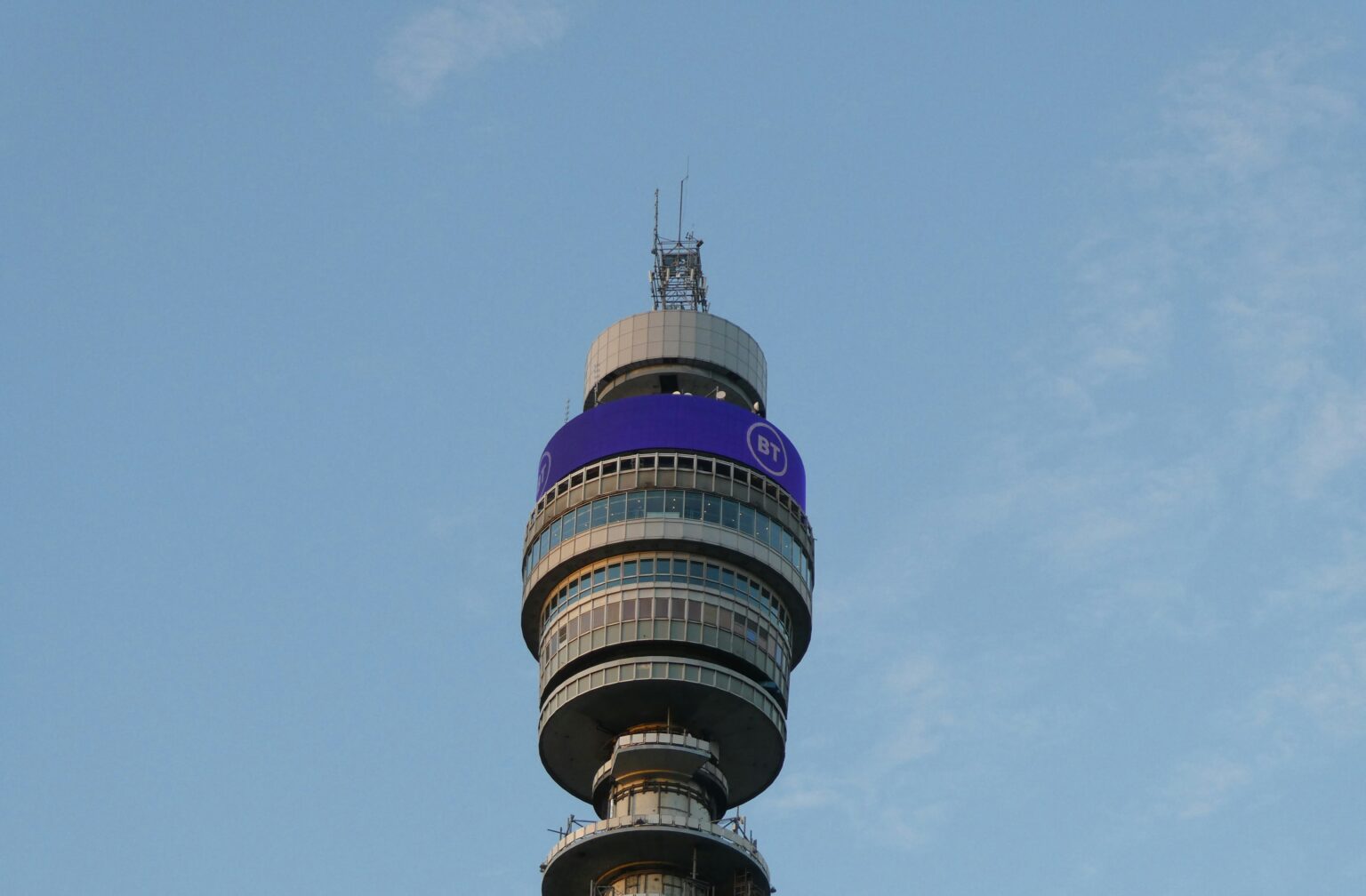
British telecommunications group BT is delaying the launch of its planned satellite broadband service with Elon Musk’s Starlink following controversy over communications restrictions affecting Ukrainian military operations. According to Reuters on 10 November, BT chief executive Allison Kirkby told the Financial Times that the company was concerned about public perceptions of Starlink following the incident. Although the service is technically ready, BT intends to wait until the controversy subsides before actively promoting its launch.
The partnership remains in place, but the decision raises a broader question: how far can geopolitical developments influence the commercial strategies of Britain’s largest companies?
The agreement, announced in November 2025, was designed to expand broadband access across rural and remote areas of Britain, where conventional fibre infrastructure is expensive or technically difficult to install. According to BT Group, Starlink technology could deliver download speeds of up to 280 megabits per second, with the service initially scheduled for the second half of 2026.
The commercial ambitions were also emphasised by SpaceX. Chad Gibbs, the company’s vice-president of business operations, said in BT’s official announcement: “Starlink is committed to its mission to connect the unconnected while maintaining focus on delivering overall quality of service”.
The postponement introduces uncertainty over the rollout timetable, although neither company has published an estimate of the potential financial impact.
The controversy emerged in October when restrictions affecting Starshield, SpaceX’s specialised military satellite communications service, disrupted Ukrainian drone operations. Reuters reported on 14th October that military-grade terminals were subject to restrictions above 160 kilometres per hour, with some Ukrainian units reporting connection losses even at lower speeds. The disruption affected both offensive missions and operations intended to intercept Russian attack drones. On 24th October, Ukrainian officials announced that normal operating speeds had been restored. However, responsibility for the restrictions remained disputed.
“Ukraine military violated Starlink terms of service and used it for offensive drone strikes to kill people. That loophole was closed last week,” Musk wrote on X, as quoted by Reuters.
Ukrainian presidential adviser Serhiy Beskrestnov disputed the allegations, stating that Ukraine was unable to use commercial Starlink services for medium and long-range attack drone operations. An earlier Reuters investigation, published on 15th October, reported that the order to restrict Starshield had originated within the White House, citing US and Western officials familiar with the matter. However, neither Musk nor the US administration publicly accepted responsibility for imposing the military service restrictions.
For BT, the incident illustrates how international developments can influence commercial decision-making even when a product is ready for launch. As the Financial Times reported, Kirkby remained positive about Starlink’s technological capabilities and expected the service to launch within the coming months. The company’s response reflects the importance of reputational considerations in corporate partnerships, particularly when technologies serve both civilian and military purposes. The wider British market faces similar considerations. Virgin Media O2 launched its Starlink-powered O2 Satellite mobile service in February 2026, demonstrating the growing commercial role of satellite connectivity.
The implications extend beyond Britain’s telecommunications sector. On 5th November, Reuters reported that Ukraine’s contract with the US government for access to Starshield was due to expire around the middle of 2027, prompting Kyiv to seek negotiations over its renewal.
Ukrainian President Volodymyr Zelenskyy acknowledged the importance of SpaceX’s technology in comments to German broadcaster ZDF, subsequently reported by Reuters: “We are grateful to SpaceX for providing us with connectivity. That was very helpful at the beginning of the war”.
Meanwhile, European governments are exploring ways to diversify their satellite infrastructure. In March, Britain’s Minister for Digital Government and Data, Ian Murray, addressed the issue in the House of Commons.
Murray said: “We are a shareholder in Eutelsat, of which OneWeb is a part, and we will be examining all these issues”.
Murray also confirmed that the Government had asked Eutelsat to submit proposals to strengthen the UK’s communications resilience.
The European Union is developing its IRIS² satellite constellation. According to the EU Agency for the Space Programme, the planned network will comprise 348 satellites with the first launches scheduled for 2029. However, Reuters reported in October that existing European alternatives cannot yet fully replace Starshield’s capabilities in Ukrainian military operations. Technical limitations, equipment requirements and the cost of switching providers remain significant obstacles. The challenge therefore extends beyond BT’s delayed launch. For Britain and its European partners, developing alternative satellite infrastructure could strengthen communications resilience while reducing dependence on individual suppliers. For Ukraine, where reliable satellite communications remain essential to military operations and civilian security, the development of additional technological options carries particular strategic importance.
Facebook's Director of Public Policy for Northern Europe, Edward Bowles, praises the UK's holistic approach to tech regulation and outlines the challenges to come
David Baddiel's Jews Don't Count is well-intentioned but sloppy, says Adam Solomons

Republicans exploiting the language of unity seek to minimise their role in the Capitol riot. Americans must see through them, says Adam Solomons
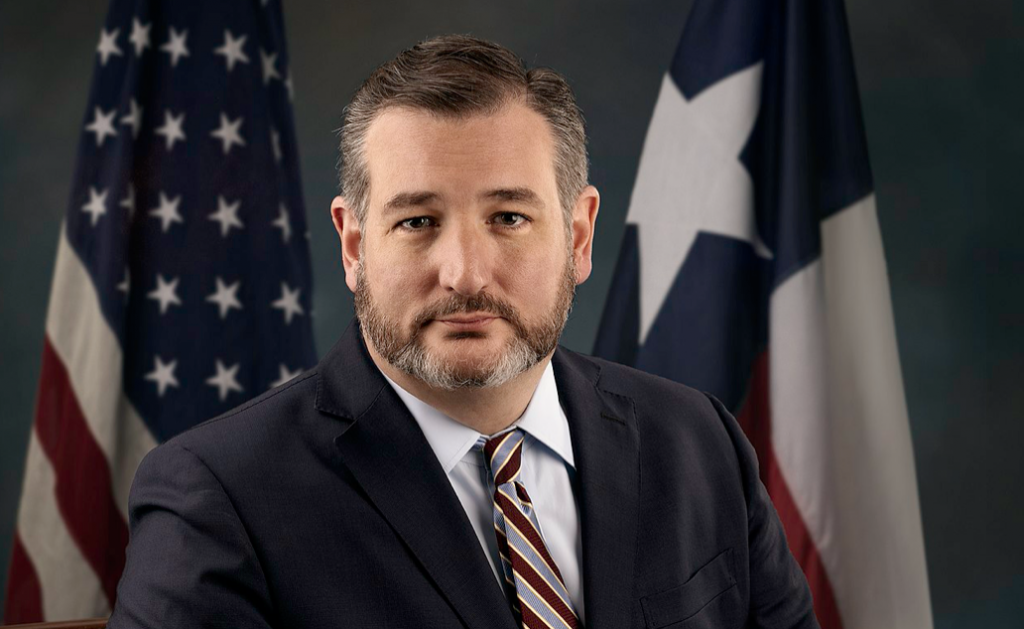
Biden might look like a return to normality, but he is far from it, says Ferdie Rous
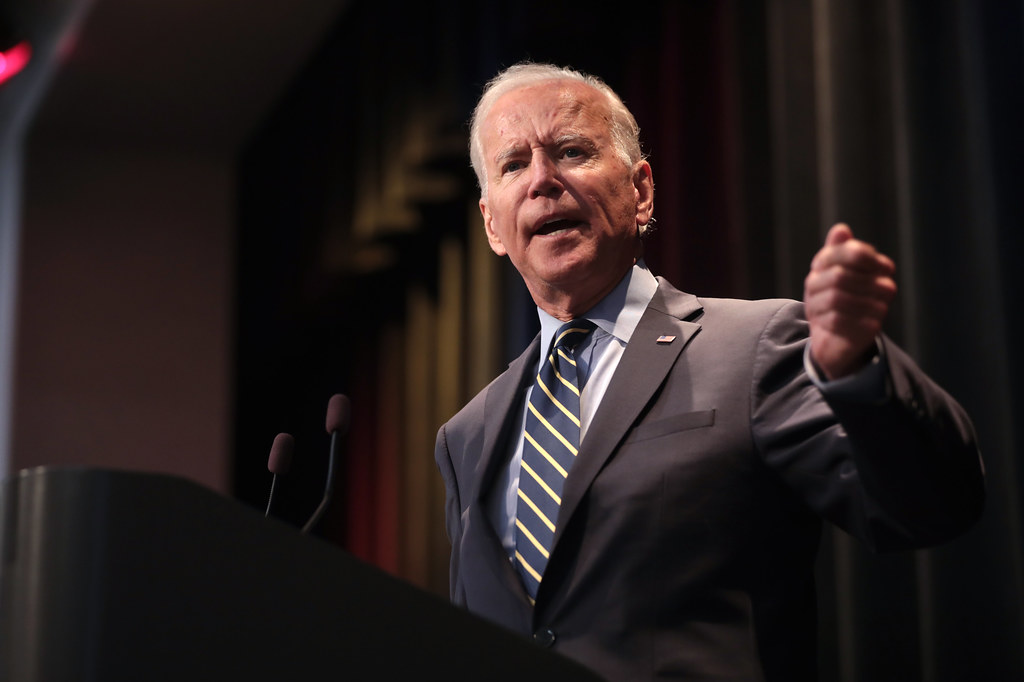
Over a third of Biden's cabinet nominees may be Catholic, but it won't affect their politics, says Ferdie Rous
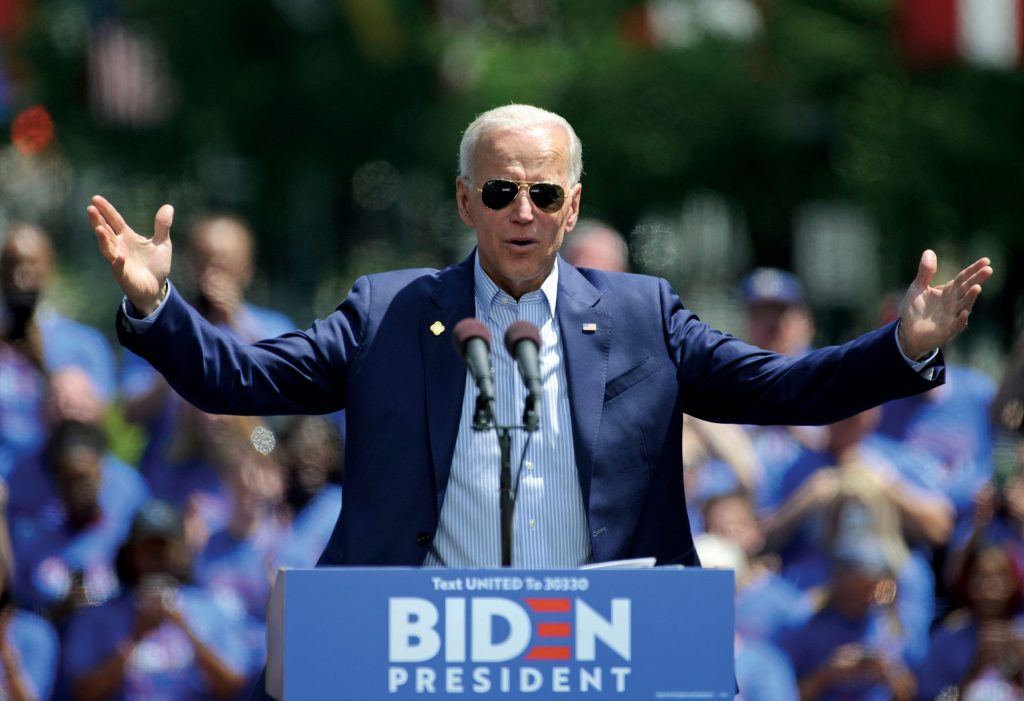
We shouldn’t blame each other for the latest COVID spike. One man ought to take responsibility, says Adam Solomons
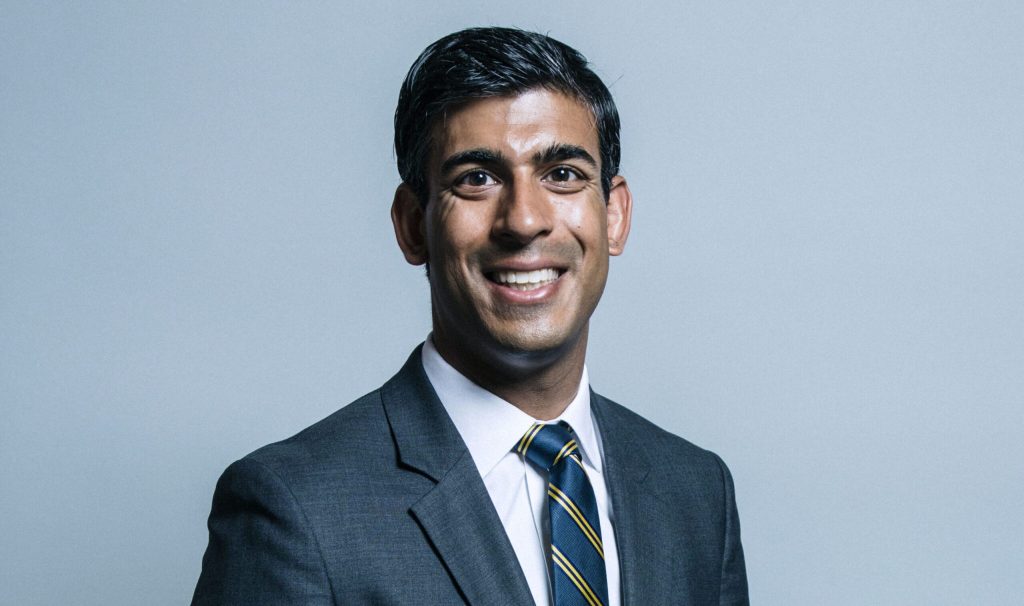
Thirty years of short-termism has left the transport and energy sectors in a stagnating mess, says Tony Lodge, but with Brexit done, there is a chance for some

As Brexit negotiations continue in the 11th hour, Marie Le Conte considers the omnipresent question of the last four years

With the corridors of Westminster emptied by the pandemic, former insiders are out of the loop and personal connections rule supreme, says Marie Le Conte

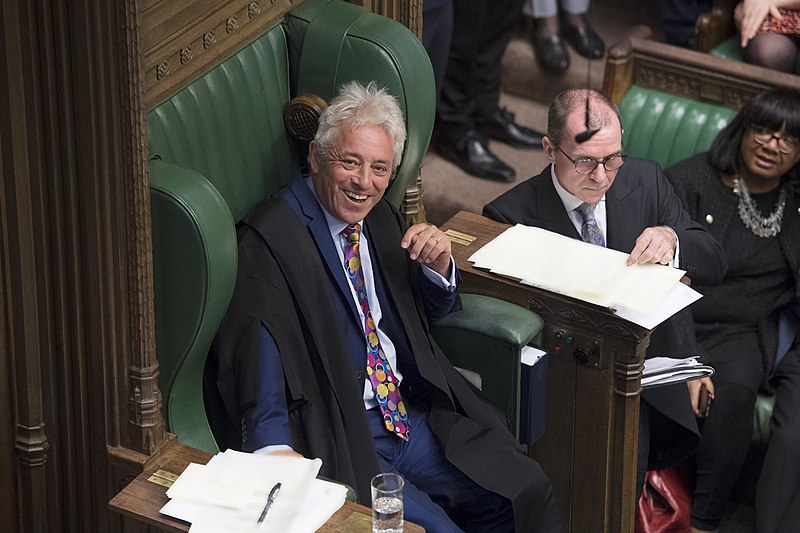
Bercow may be long gone but bullying is still very much alive in the House of Commons, says Adam Solomons