Tamás Orbán | Issue 5 | Comment, Lobbying, Magazine
From the Archive
Social media is an obstacle to free speech
The UK’s Online Safety Bill is one the world’s foremost efforts to rein in so-called Big Tech and hold social media platforms accountable for their actions. Much of the discussion has centred on harmful content - and rightly so. But the issue of politicised platforming and no-platforming also needs urgent attention. More specifically – social media outfits are using their power to censor conservative voices in the UK and around the world.
When testifying before the US Senate in 2018, Facebook CEO Mark Zuckerberg was asked by Senator Ted Cruz if he considered his site to be a neutral public forum. Many, Cruz said, are “concerned that Facebook and other tech companies are engaged in a pervasive pattern of bias and political censorship”. Zuckerberg’s response was nervous: “Our goal is not to engage in political speech.”
If true, then Facebook has failed spectacularly. As, to be fair, most other social media platforms have. Freedom of speech is highly restricted on social media, and the long-term consequences of this intervention should not be ignored.
Of course, Silicon Valley’s censorship does not use brute force to enforce these restrictions. It doesn’t need to. Facebook, Twitter, Google and others have far more sophisticated tools at their disposal, such as deplatforming, shadow banning and demonetisation.
Conservative organisations and individuals are increasingly finding themselves the butt of Big Tech’s AI censors. Even though these algorithms are not public, the growing anecdotal evidence is impossible to ignore. Right-leaning politicians, think-tanks and even individual creators have been effectively rendered invisible, hidden in the depths of the internet by algorithms that prioritise popular content, except when it espouses conservative principles. Common tools include shadow banning content (making it harder for new viewers to access it) and automatically unsubscribing thousands of long-term followers.
Investigative journalists and whistleblower agencies, such as Project Veritas and Wikileaks, continuously struggle to keep their accounts up and running, If the subtle algorithm is not sufficient, the blunt tool of outright censorship awaits. Big Tech platforms now have a taste for suspending elected officials - so far six US congressmen and, most famously, former President Donald Trump.
Some say this is just a business model and has nothing to do with politics. However, the algorithms not only decide what information they present for each of us individually, but they also decide what will succeed or fail online. This furthers social and ideological cleavages by strengthening group-think, driving political polarisation and forcing some to the fringes, as they find their ideas locked out of mainstream online discussion. No legislative solution has yet been found to solve this problem – but around the world many are trying.
Texas and Florida are good examples. Conservative governors have tried to pass regulations against the deplatforming of political figures, only to be frustrated by legal technicalities in the courts.
A potential answer, which deserves a closer look, is to regulate big tech through legal frameworks that are similar to those applied to public utilities or state-owned broadcasters. I wouldn’t claim that more traditional media giants, such as the BBC or the CNN, are not guilty of political bias, but they are still subject to much greater public and legal scrutiny than Facebook or Twitter, and that kind of accountability could be a step in the right direction. Securing more transparency about their algorithms would help the public to understand the phenomenon better and even open up the possibility of prosecution under ‘unfair competition’ laws, if systematic censorship was indeed discovered.
Some will cry that the market must be left to its devices: free speech-friendly alternatives such as Parler, Gab, Rumble are attempting to create more competition that would attract conservative consumers and solve the problem without regulation. This is a mirage. Given the monopoly enjoyed by Facebook et al it is not economically viable. Additionally, if only conservatives move out, they only reinforce the partisan echo chambers on both existing and new platforms.
The Online Safety Bill cannot achieve all of this alone. It will take a joint international effort to pressure Silicon Valley into changing its ways; no individual country can fight big tech on its own. Social media is now a part of the fabric of society and the most important driver of our collective narratives. Self-regulation has failed; it is up to government to ensure that free speech is protected online.
Tamás Orbán is a research fellow at the Danube Institute, Budapest...
Subscribe to The Mace
Join the member community shaping British politics and stay ahead of
what's really happening in the world of politics and public affairs,
with expert analysis, breaking news, and insider insights from
Westminster and Brussels. The Mace is the leading news source and
resource for the government affairs industry, offering required
reading and lobby intelligence for professionals.
To see what you are missing out on by not subscribing to The Mace, click here to download our full membership info-pack. This includes
having no paywall on op-ed content or profiles/interviews, allowing
professional profiles to be read with maximum impact and visibility by
government, special advisers, MPs, peers, civil servants, and policy
and political decision-makers.
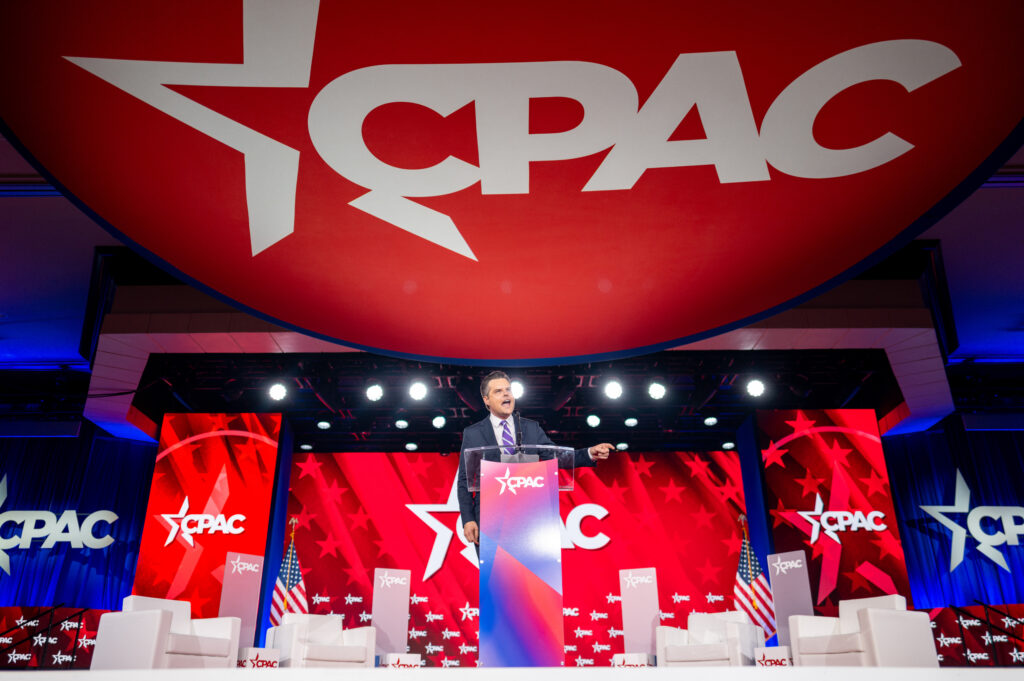
Introducing the inaugural Conservative Political Action Conference (CPAC) on British soil, a landmark expansion of the world's premier conservative networking brand.
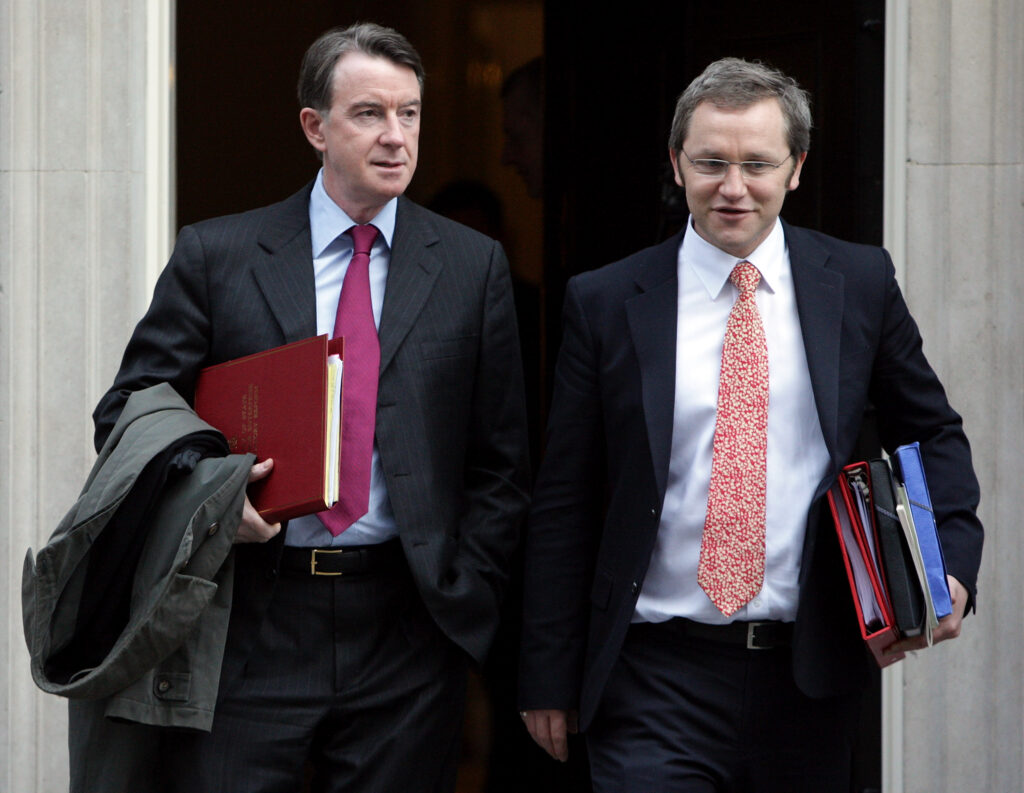
Flint Global CEO James Purnell's expected appointment as Andy Burnham's chief of staff is just the latest Westminster merry-go-round job move from Public Affairs back into Downing Street.
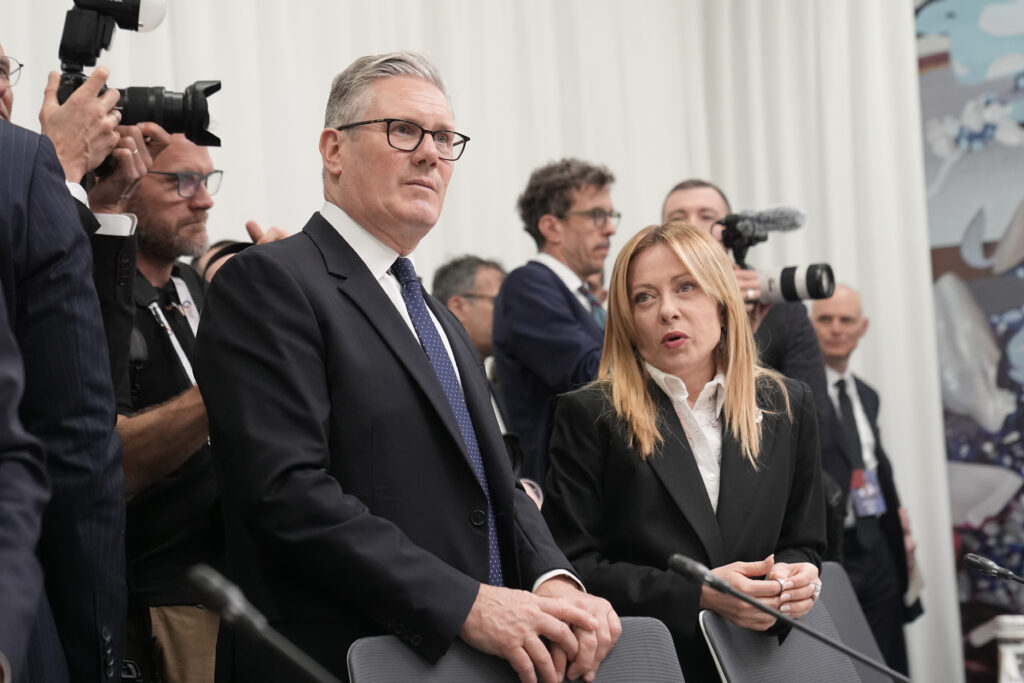
As vultures circle Downing Street, now that Burnham is back as an MP, Starmer must realise that resigning is going to be better for the Labour Party than
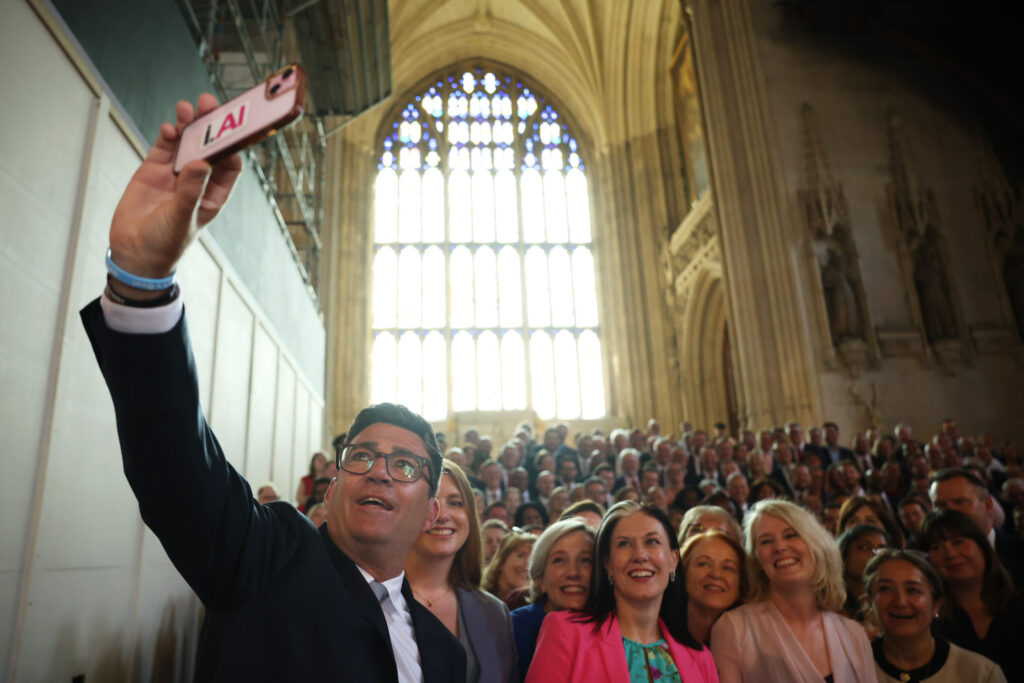
What will a Burnham government look like ? Lucy Carrier-Pilkington analyses what a change of prime minister will mean for the country and who will be the likely
With Restore and Reform tearing votes off each other, the Makerfield by-election could propel Andy Burnham into Number 10. But, asks William Cash, will Restore's percentage of the