By-election day: Is it now or never for Zack Polanski?
The day of the Holborn and St Pancras by-election has arrived; Mace investigates where public opinion is and what this means for the future of the Green Party
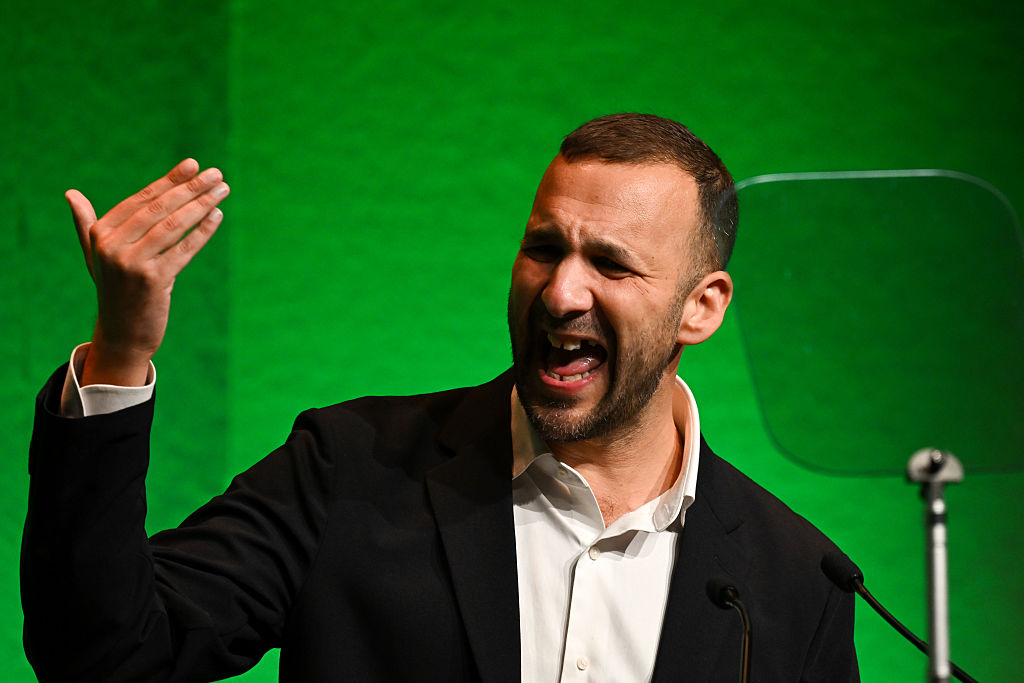


The Civil Service is ready to support Dame Antonia Romeo's flagship changes to government machinery - notably relating to AI and devolution - under new prime minister Andy Burnham, writes Jonathan Freeman, CEO of the Charity for Civil Servants.
At the recent Civil Service Live event in London, Cabinet Secretary Dame Antonia Romeo set out her vision for the Civil Service, confident that civil servants would adapt and evolve to meet the challenges of the new world just as it has since 1854 and the Northcote-Trevelyan reforms. But despite this vision, cynicism and suspicion amongst many commentators remains.
But a report we will publish later this summer, turns this scepticism on its head. Polling amongst 1,100 civil servants shows that Dame Antonia’s confidence is well-founded. And it also clearly shows that civil servants are more than ready to support the new administration on two of the flagship changes to the substance and operations of government, just as they have always supported the government of the day.
For 140 years, the Charity of Civil Servants has helped current, former and retired civil servants when life gets tough. Today, that means around 1.5 million people across the whole of the UK are eligible for our support. In our anniversary year, we conducted this, the largest ever survey of our Civil Service community, to understand better the issues most important to them and how the Charity can best support them for the next decade and beyond.
“Civil servants are more than ready to support the new administration on two of the flagship changes to the substance and operations of government”
In our research, civil servants told us overwhelmingly that they are absolutely ready for the move to ensure that decision-making is focussed in local communities. 66% of respondents expect that more roles will move outside London – which they support. It’s worth remembering that the majority of civil servants are already now based outside of London and the South East; as of March 2025, almost 75% of civil servants were based in other regions of the UK.
Consider, for example, the excellent example of the Darlington Economic Campus which has brought together over 1,000 civil servants from nine government departments and agencies into the town, with plans to expand to more than 1,400 roles in coming years. This innovation is so much more than just about a new office building. Those at the Campus are ‘doing government’ very differently – more collaboratively, more rooted in their local communities and economy, and with more talent recruited directly from its local area.
It is the same with AI; an opportunity not a threat. Our research reveals that civil servants are acutely aware they are on the cusp of an artificial intelligence revolution. More than a third of the workforce expects automation to result in significant headcount reductions in routine administration, while others anticipate a massive upheaval in required skills.
But, particularly amongst the younger cohort of civil servants, there is an anticipation that AI will help deliver a shift in focus towards complex, citizen-facing challenges. They understand that AI can help them to be more efficient, more responsive, and more effective. In short, they welcome the potential that AI presents to enable them to do their jobs – serving ministers and the country – better. They know that this will disrupt and all they ask is that they be supported and trained effectively through this vital transition.
“Our research reveals that civil servants are acutely aware they are on the cusp of an artificial intelligence revolution”
We must always protect the core values of the Civil Service – Integrity, Honesty, Objectivity, Impartiality – but our research underlines that civil servants are as dedicated as they have always been to serving the country to their very best and fully recognise the need for change.
In his first message to all civil servants last week, the Prime Minister said that the new government’s success depends on close partnership between ministers and officials: “one team with a shared purpose”. On this front, he can rest easy. Whether in London, Manchester, Darlington or anywhere else in the country, our evidence is that civil servants are primed and ready to deliver. Just as they always have and always will.
Jonathan Freeman MBE DL, is Chief Executive of the Charity for Civil Servants which this year is celebrating its 140th anniversary. For more: https://www.cfcs.org.uk/
The day of the Holborn and St Pancras by-election has arrived; Mace investigates where public opinion is and what this means for the future of the Green Party
"Education is why I came into politics, and it is hardly talked about"

Greetings from Birmingham and the Conservative Party Conference, with Editor William Cash.
Healey’s affirmative line “There is nothing progressive about losing control” did little to stir ‘hype’ amongst conference attendees nor City bankers, but he is right to say it

Greater deregulation for the financial sector in the City is not the way forward, writes Mick McAteer.

In the latest addition of the Industry Reacts series, Lucy Carrier-Pilkington approaches leaders in hospitality to see their thoughts on the proposed ‘tourist tax’

This summer exposed the chain of vulnerabilities faced by the agricultural industry, Ella Beadman writes.

The government's new 5% tourism tax and overnight levy is the last thing the UK's hospitality sector needs, says William Cash

The new government protocol raises concerns about whether young people are getting the necessary exposure they need in their early careers

The question of money buying influence in politics is centuries old and not going away
