Labour rides Q1 growth surge as UK tops G7 economies
The UK economy grew 0.7% in Q1 2025, the fastest among G7 nations, offering a political lift to the Labour government. The Bank of England upgraded its annual

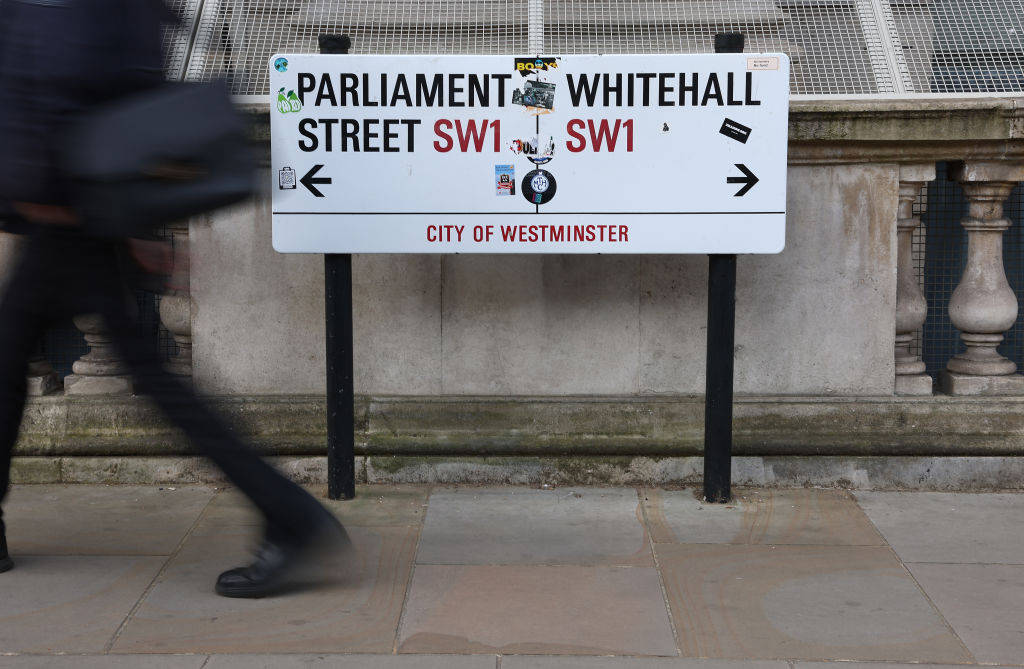
Senior advisor warns that the change of prime minister is a “colossal waste of energy”, as the business of politics comes to a standstill.
The business world has been raising the alarm regarding the impact of uncertainty in Westminster on corporations, economic efficiency and government operations.
Alex Depledge, a serial entrepreneur who was appointed by Chancellor Rachel Reeves as her advisor on entrepreneurs, has warned that the machinery of government has already been “frozen for six weeks”. She expressed that, due to the changeover, Whitehall would remain stalled for many months to come. Depledge said: “We are going to lose six months, at best, probably a year once you start to brief the new ministers coming in. It is just a colossal waste of energy. The British people deserve better.”
“The British people deserve better.”
The advisor made these comments the day after Sir Keir Starmer resigned as prime minister. Despite the in-party popularity of Andy Burnham, these comments are part of a new wave of criticism about the impact of the Downing Street revolving door on the government’s ability to make progress on key issues. Key initiatives that are already likely to be delayed until the next prime minister is appointed include a crucial EU summit that Starmer said would be an important step in resetting UK and EU relations.
Depledge expressed concerns about how this will impact the ability of those in Whitehall to do their jobs. She said: “It is about carving out what we can get done within the parameters in which we are allowed to operate,
“There is some stuff we can’t do any more, but there are other things you can.
“My biggest fear is that I have to spend another year trying to get new ministers and new people to understand the burning platform and the need to move at speed.”
The introduction of new ministers would likely lead to significant disruption across government, including changes among secretaries of state, junior ministers, special advisers, and private office staff. While many civil servants would remain in post, there would likely be considerable changes in ministerial teams and political appointments, requiring time and resources to recruit and establish new working arrangements. Furthermore, if Burnham and his cabinet were to introduce a different strategic direction for government, some of the work undertaken under Starmer’s administration could be deprioritised, revised, or abandoned. The creation of new government departments would also require substantial administrative capacity, staffing, and financial resources, potentially slowing the implementation of existing priorities.
“Civil servants are well versed in navigating moments of national change and this will be no different.”
Charity for Civil Servants CEO, Jonathan Freeman MBE said: “Knowing the Civil Service as we do I’m confident that our public servants will do what they do best, and professionally steer the country through this transition.
“Civil servants are well versed in navigating moments of national change and this will be no different.”
A snap general election could be bad news for the Civil Service, as Whitehall will enter purdah which is known as a ‘pre-election period of sensitivity’.This means that, until the outcome of the election is known, no new policy can be announced. While previously agreed policies can proceed, it puts a halt to innovation and policymaking within the civil service.
Whitehall has already been strained by repeated ministerial turnover during Labour’s time in government. Before Starmer’s resignation, 20 ministers had stepped down, with the departures of John Healey and Al Carns from defence roles representing particularly disruptive changes. Each resignation triggers a period of adjustment within departments, as officials must brief incoming ministers and adapt to their revised priorities. Prolonged political instability would risk exacerbating these inefficiencies, diverting resources away from policy deliver and slowing government decision-making.
The next impending changeover in government, which is likely to be substantial due to Burnham’s repeated promises of change, means that Whitehall is going to go through another substantial restructuring. The wheels of change will take time to turn. However, with Labour already nearly halfway through its term, it remains unclear whether the results will be felt before the next election.
The UK economy grew 0.7% in Q1 2025, the fastest among G7 nations, offering a political lift to the Labour government. The Bank of England upgraded its annual
Trump’s Catholic allies are exerting growing influence in Rome as a new conclave approaches. Backed by wealthy donors and political operatives, they are campaigning for a more traditional
Important elections are happening around the globe and whilst ideological politics may be dying, polarisation is not

The world of NFT art isn’t just about individual artists selling work to crypto nerds. As big brands get involved, there’s money to be made and kudos to

The euro may have fallen short of its objectives, but on its 20th birthday its survival inspires calls for further European integration

Finnish Ambassador to the UK Jukka Siukosaari reveals the Finnish insight on Russia and speculates on how the conflict will end
Biden’s executive order to reshape the supply chain might foster improved transatlantic trade relations with the European Union

Lord Hannay on the invasion of Ukraine

The political and cultural crisis surrounding London's police force has shone a light on an intolerable governance system

There’s nothing quite like the description “animal lover” to engender good will towards politicians