UK–EU Defence Fund Talks Collapse Over Entry Fee Standoff

Mace | 30th November 2025 | Brussels, Uncategorised
UK_Soldiers_sharpen_survival_skills_(6505687)

Talks between London and Brussels collapsed after the EU demanded a high entry fee for SAFE, leaving the UK limited to third-country participation.

Talks over UK joining EU defence fund breaks down over entry fee. The United Kingdom and the European Union have failed to reach agreement on British participation in SAFE, the €150 billion European fund intended to support collective rearmament and defence procurement across the bloc. London confirmed that as of Friday no deal had been struck. Under the negotiations, the EU had asked for a substantial entry fee from the UK for full access to SAFE procurement and funding benefits. Initial demands reportedly reached as much as €6.7 billion, though this sum was later reduced. The British government deemed even the lower fee excessive and unacceptable. As a result the UK was prevented from joining SAFE as a full member. Instead British defence firms will now only be eligible for third-country participation under SAFE’s rules. That status limits their involvement, including a cap on the share of contracts they can supply. The collapse of the negotiations deals a blow to the ambitions of the current British government. Earlier in 2025 a broader UK–EU security and defence agreement had been signed, hailed as a reset in post-Brexit relations. SAFE participation had been one of the flagship elements of that deal. The failure marks a setback for British defence firms. Many had expected enhanced access to European procurement contracts, and the possibility of benefiting from the EU-backed loan programmes SAFE supports. With full membership off the table, opportunities will be limited under the constraints for third-country participants. EU officials emphasised that SAFE remains open by design to third-country involvement, but noted the strict limits that apply to non-member states such as the UK. The procurement cap for non-EU participants remains in force. For London the financial terms were non-negotiable. Officials argued participation needed to deliver clear value for money and serve the national interest. The amounts required by Brussels failed to meet that test. While the breakdown of SAFE talks is a symbolic blow to the UK–EU defence reset, ministers emphasised that cooperation on broader security, trade, and diplomatic fronts will continue. Third-country access for British firms remains available under the existing SAFE framework. The withdrawal from full membership of SAFE leaves unresolved questions over the future of British involvement in European defence procurement. Although limited access remains, the scope of that involvement is sharply narrower. For the moment, SAFE will proceed without formal British inclusion under the terms initially sought....

Subscribe to The Mace

Join the member community shaping British politics and stay ahead of what's really happening in the world of politics and public affairs, with expert analysis, breaking news, and insider insights from Westminster and Brussels. The Mace is the leading news source and resource for the government affairs industry, offering required reading and lobby intelligence for professionals.

To see what you are missing out on by not subscribing to The Mace, click here to download our full membership info-pack. This includes having no paywall on op-ed content or profiles/interviews, allowing professional profiles to be read with maximum impact and visibility by government, special advisers, MPs, peers, civil servants, and policy and political decision-makers.

MACE Marks Five Years with Westminster Celebration

Mace | December 4, 2025

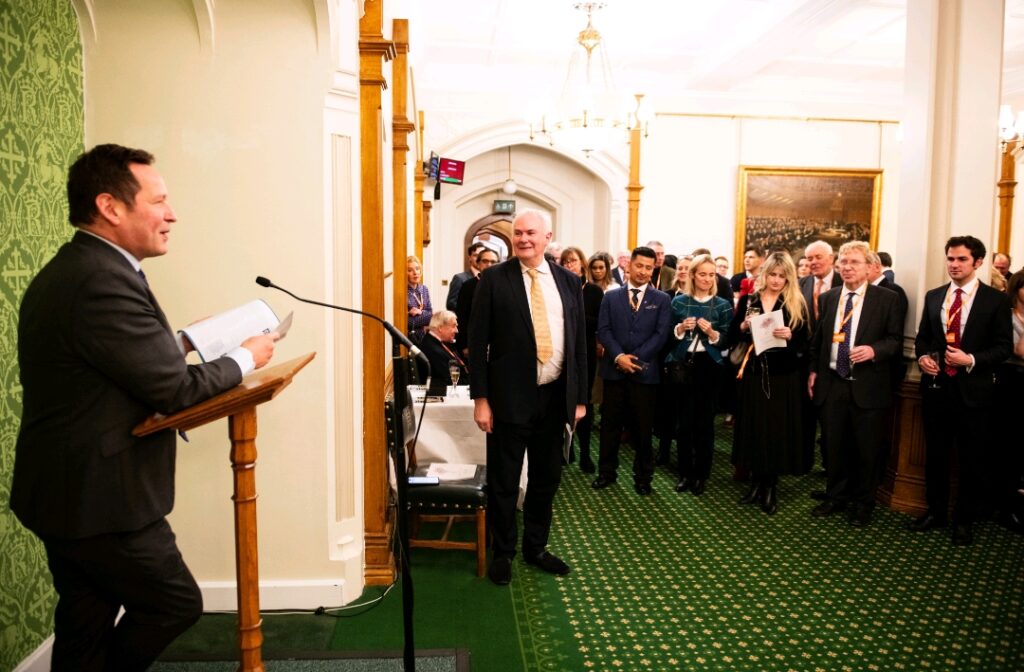
MACE marked its 5th anniversary with a high-profile Commons reception of politicians, diplomats, media figures and lobbyists, launching its influencers report
Scathing criticism

Christopher Silvester | December 3, 2025

From self-lacerating memoir to by-election madness and a Labour Together takedown, The Mace’s literary editor Christopher Silvester rounds up the latest political books.

Telling a human tale

Christopher Silvester | December 3, 2025

From self-lacerating memoir to by-election madness and a Labour Together takedown, The Mace’s literary editor Christopher Silvester rounds up the latest political books.

Ex-deputy chair among Tory defections to Reform

Mace | November 30, 2025

Three former Conservative MPs, including ex-deputy chair Jonathan Gullis, defect to Reform UK as the party capitalises on Tory unrest and declining support.

Government to Ban Asylum Seekers from Taxi Services

Thomas Edwards | November 30, 2025

The government plans to end most taxi travel for asylum seekers attending medical appointments, replacing it with public transport and tightening Home Office oversight.

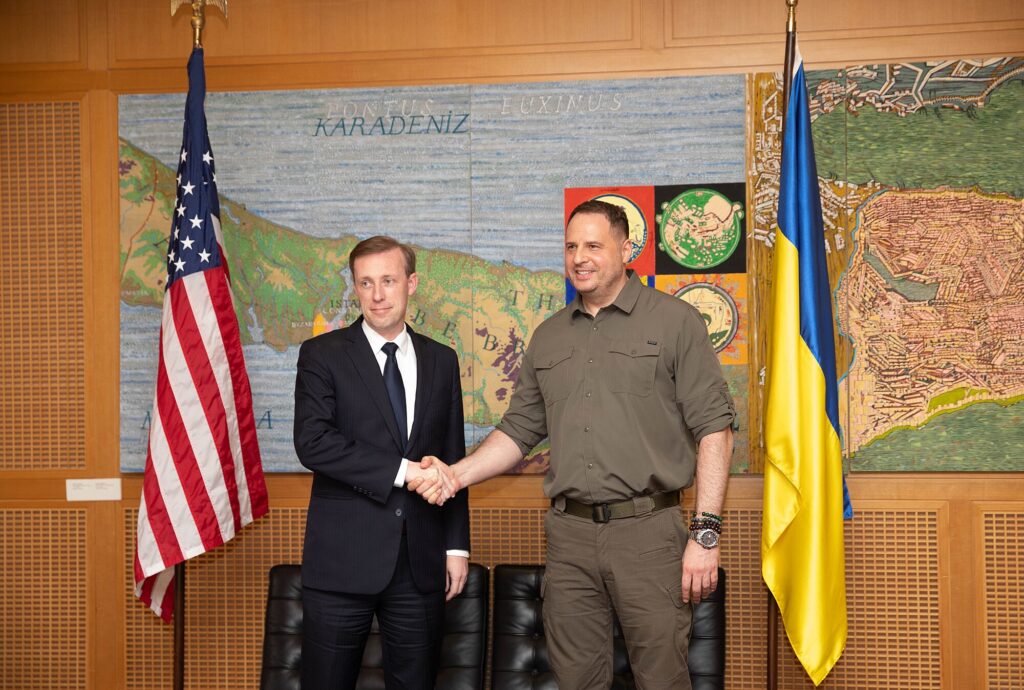
Yermak’s Resignation Sends Shockwaves Through Kyiv and Europe

Mace | November 29, 2025

The resignation of Andriy Yermak after anti-corruption raids disrupts Ukraine’s leadership and triggers uncertainty across Europe during a critical phase of the war.
Autumn Budget 2025: family finances squeezed, welfare rules eased

Mace | November 29, 2025

After weeks of tax rumour and expectation-setting, the 26 November Budget landed as a welfare-first package that lifts the benefits cap but tightens the screw on household incomes,
EU parliament shifts corporate rulebook in favour of business interests

Mace | November 14, 2025

The European Parliament on 13 November 2025 approved amendments that sharply reduce the scope of the Corporate Sustainability Due Diligence Directive and the associated reporting regime
FTSE 100 surges to record high amid US government shutdown breakthrough

Mace | November 10, 2025

The FTSE 100 hit a record 9,787 points as investors cheered progress in Washington towards ending the US government shutdown. Strong gains in Diageo, miners and financial stocks

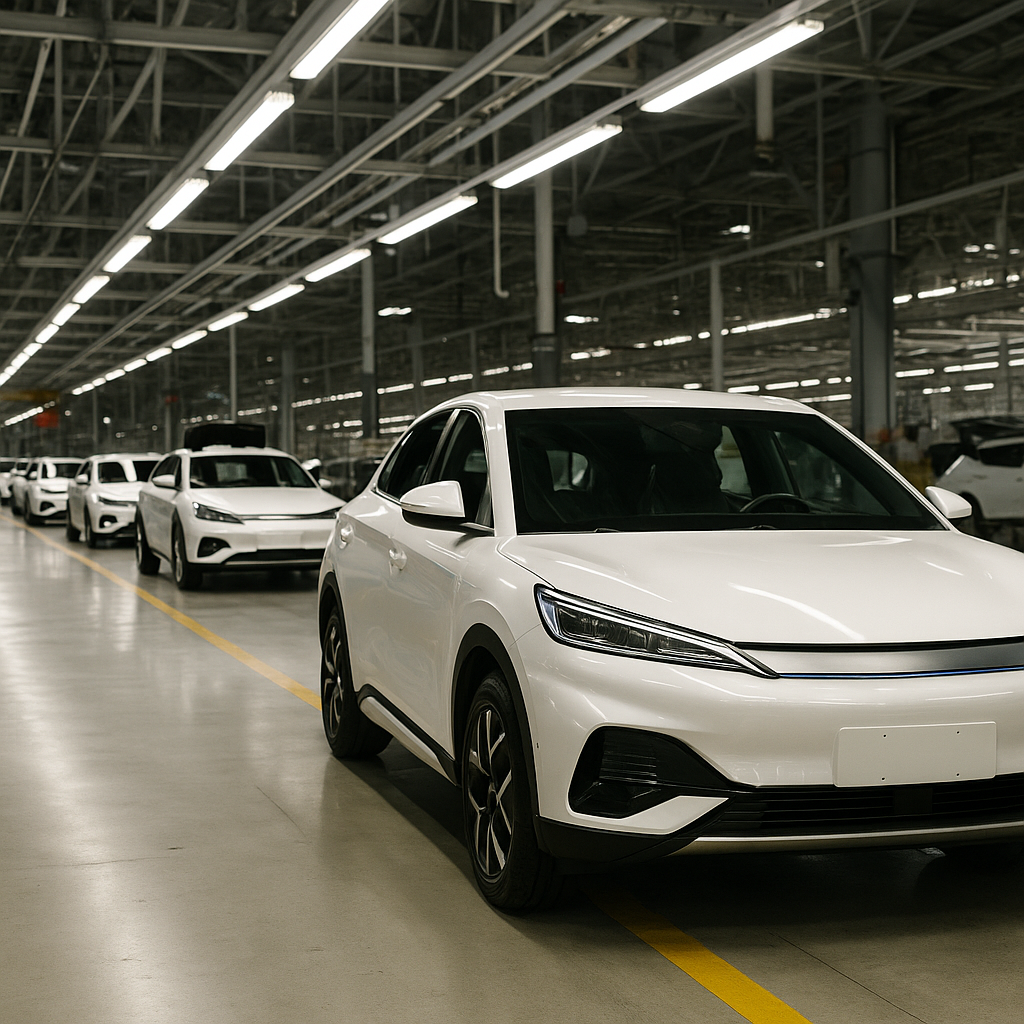
Spain out in front in BYD’s European factory sweepstakes

Mace | October 14, 2025

Spain has emerged as the leading contender for BYD’s third European vehicle plant. The country’s competitive manufacturing costs, renewable-energy grid, and EV incentives are major advantages. A final