The UK’s unwritten constitution: There are no real rules

Mark Leftly | 23rd June 2026 | Comment
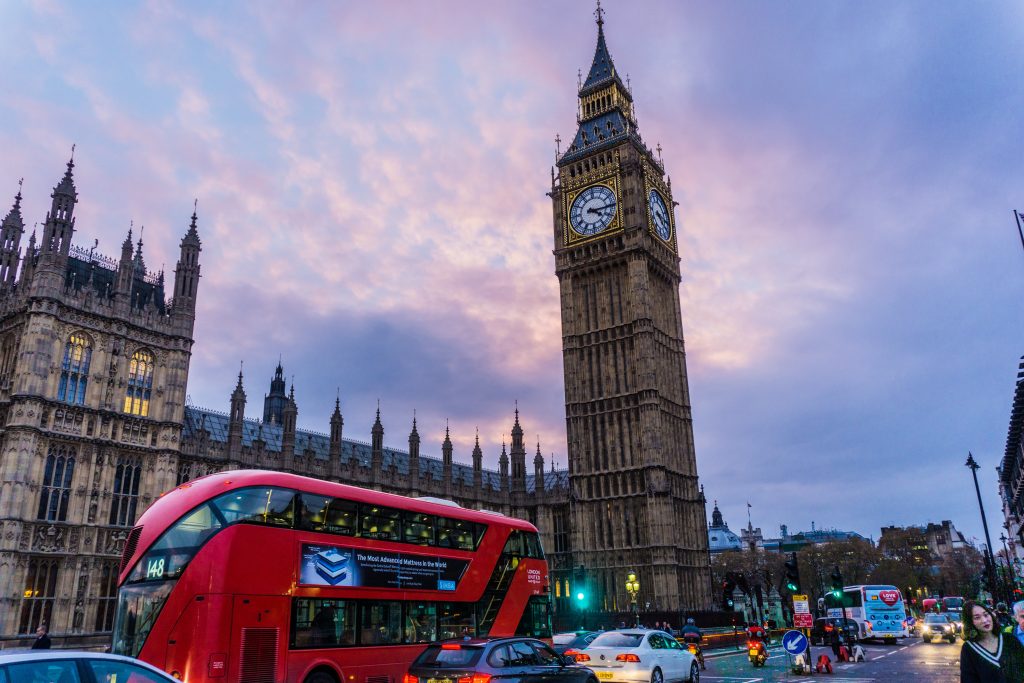
Photo by Dan Kitwood/Getty Images

The timing and in what circumstances a leader should stay or go are in flux, argues Mark Leftly.

Sir Keir Starmer is the 43rd longest serving prime minister in our country’s history. If a brave enough soul challenges Andy Burnham to become the next Labour leader, Sir Keir could still leapfrog The Earl of Aberdeen – a mid-19th century, landowning Peelite – into 42nd place. 

Assuming a coronation or the very possible failure of another candidate to get the support of the 81 MPs needed to stand, however, Sir Keir will stay 43rd. He will have been in Downing Street for just two years and a few days in change. That’s one place and a few months ahead of Sir Anthony Eden, whose premiership was considered extremely short when he quit on grounds of ill health in 1957, shortly after the Suez crisis. 

We’ve only had 58 prime ministers, yet five of the past six rank well outside the top 30 for length of time in office. Even David Cameron, who now appears to be a beacon of longevity at a little more than six years, fails to crack the top 20. 

There is little doubt that each of those failures of durability can be explained by the unique circumstances of the time. This is also, however, a clear pattern that cannot be ignored by either politicians plotting their routes to the top or a public affairs industry that relies on a degree of stability to co-ordinate campaigns. 

“Political gravity, accepting conventions and the inevitability of quitting under pressure are concepts rather than …

Subscribe to The Mace

Join the member community shaping British politics and stay ahead of what's really happening in the world of politics and public affairs, with expert analysis, breaking news, and insider insights from Westminster and Brussels. The Mace is the leading news source and resource for the government affairs industry, offering required reading and lobby intelligence for professionals.

To see what you are missing out on by not subscribing to The Mace, click here to download our full membership info-pack. This includes having no paywall on op-ed content or profiles/interviews, allowing professional profiles to be read with maximum impact and visibility by government, special advisers, MPs, peers, civil servants, and policy and political decision-makers.


Are our freedoms under threat?

David Campbell Banermann | March 22, 2022

Tearing down statues is just one manifestation of a direct attack on our values, institutions and shared history


How will the war in Ukraine end?

Lucy Kenningham | March 7, 2022

Finnish Ambassador to the UK Jukka Siukosaari reveals the Finnish insight on Russia and speculates on how the conflict will end
Reworking labour rights

Richard Milsom | March 4, 2022

The Malaysian palm oil industry is one of many making strides towards stamping out forced and trafficked labour

How to preserve European unity

Hilde Vautmans | February 23, 2022

There may be dissent within the EU – but key changes and a new mindset can yet win the day

Who’s ready to regulate social media?

Tamás Orbán | February 18, 2022

Social media is an obstacle to free speech

Why start ups are the flavour of the month

Daniel Dalton | February 9, 2022

The future’s bright for startups – especially if the UK and EU can work together and rise to global challenges

The Helm Review: Flop26

Dieter Helm | February 7, 2022

Mace hears from economist and climate expert Professor Dieter Helm on his assessment of Cop26

Meet the contrarians

Ali Miraj | February 3, 2022

As an increasing number of people are being silenced for challenging the status quo, the Contrarian Prize recognises individuals who dare to be different

Fine words from Defra butters no parsnips

Gilbert Greenall | February 1, 2022

Can new laws make farming pay? If not, our countryside faces the biggest threat for centuries

As the pandemic slows, Britain will continue to succeed

Azeem Ibrahim | January 26, 2022

Boris Johnson may be in trouble, but the Britain he leads is not, argues Azeem Ibrahim