
Thirty Women: Thirty Powerful Voices
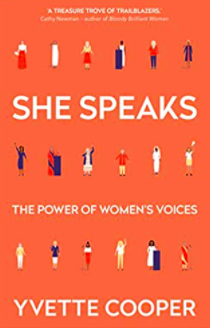
She Speaks: The Power of Women's Voices, by Yvette Cooper, reviewed by Benjamin Goodwin


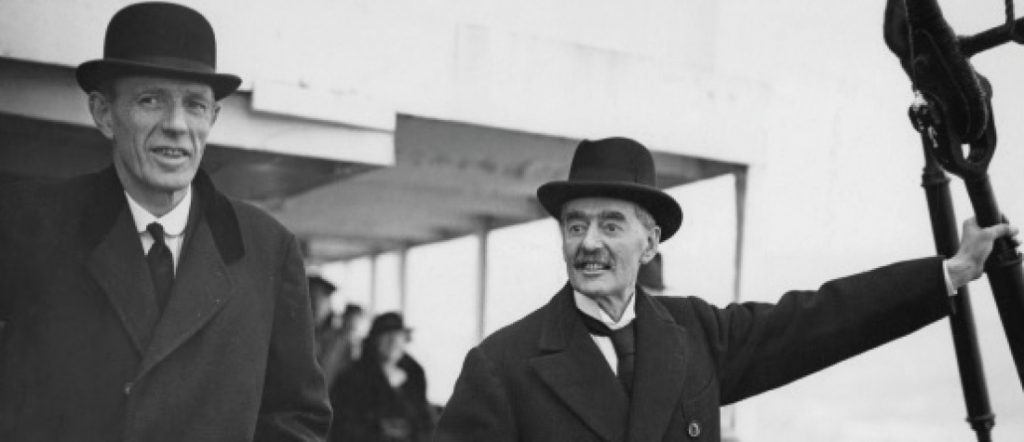
The timing and in what circumstances a leader should stay or go are in flux, argues Mark Leftly.
She Speaks: The Power of Women's Voices, by Yvette Cooper, reviewed by Benjamin Goodwin
The north London constituency is not without its problems, admits David Lammy, but it remains a destination second to none…
There is no excerpt because this is a protected post.
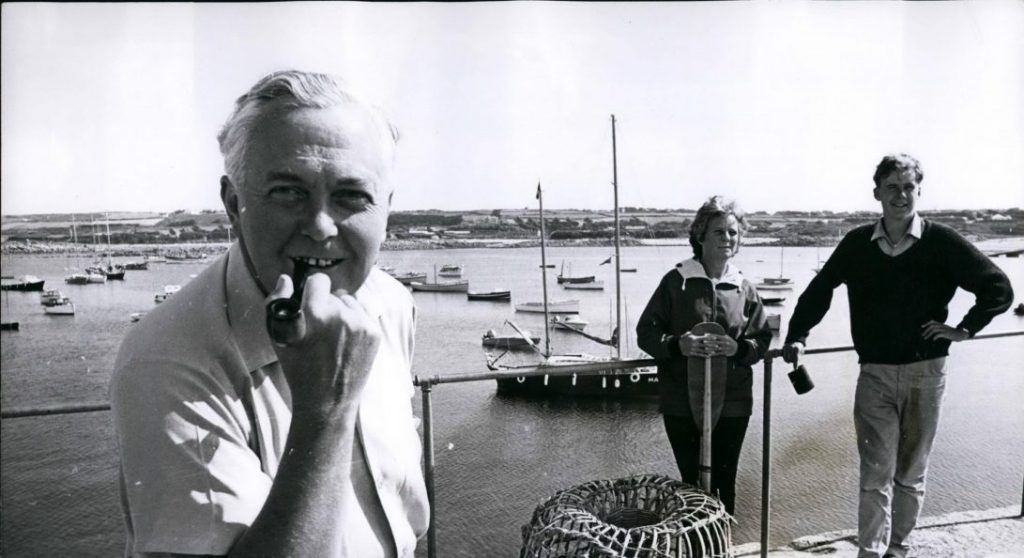
The Establishment has been wrong before, notes Tim Congdon. Is it so crazy, he asks, to think that it might be wrong again?
Rotherham's MP, Sarah Champion, chair of an important parliamentary group on adult survivors of child sexual abuse, wants to see some change at the MoJ
The political philosopher ponders policy, populism and the changed landscape of European politics

William Cash considers Boris Johnson’s Christmas break in Mustique and finds a prime minister’s choice of holiday location to be highly revealing.
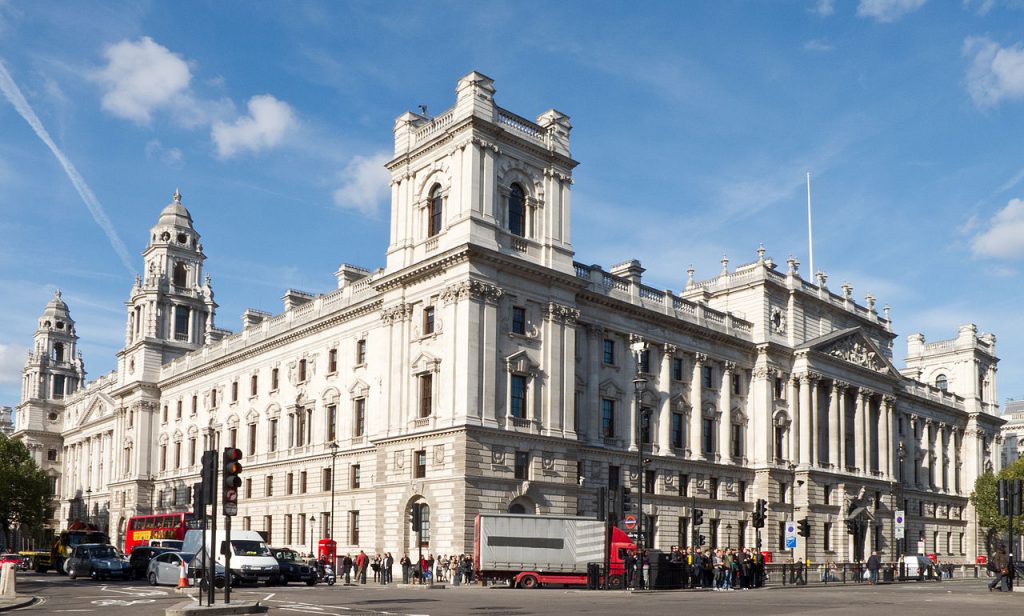
This fortress at the heart of Westminster acts as if it owns the public finances and such a monopolistic attitude is deeply damaging.
Over the last year we’ve seen dozens of MPs switch parties or go independent. But how does such an unexpected move affect their hard-working staff?

Still finding your way around the Palace? Not sure where to sit in the Chamber? Former minister Brooks Newmark is here to assist
