The real problem with the “Sofa Gate”

Robert Tyler | 19th April 2021 | Uncategorised
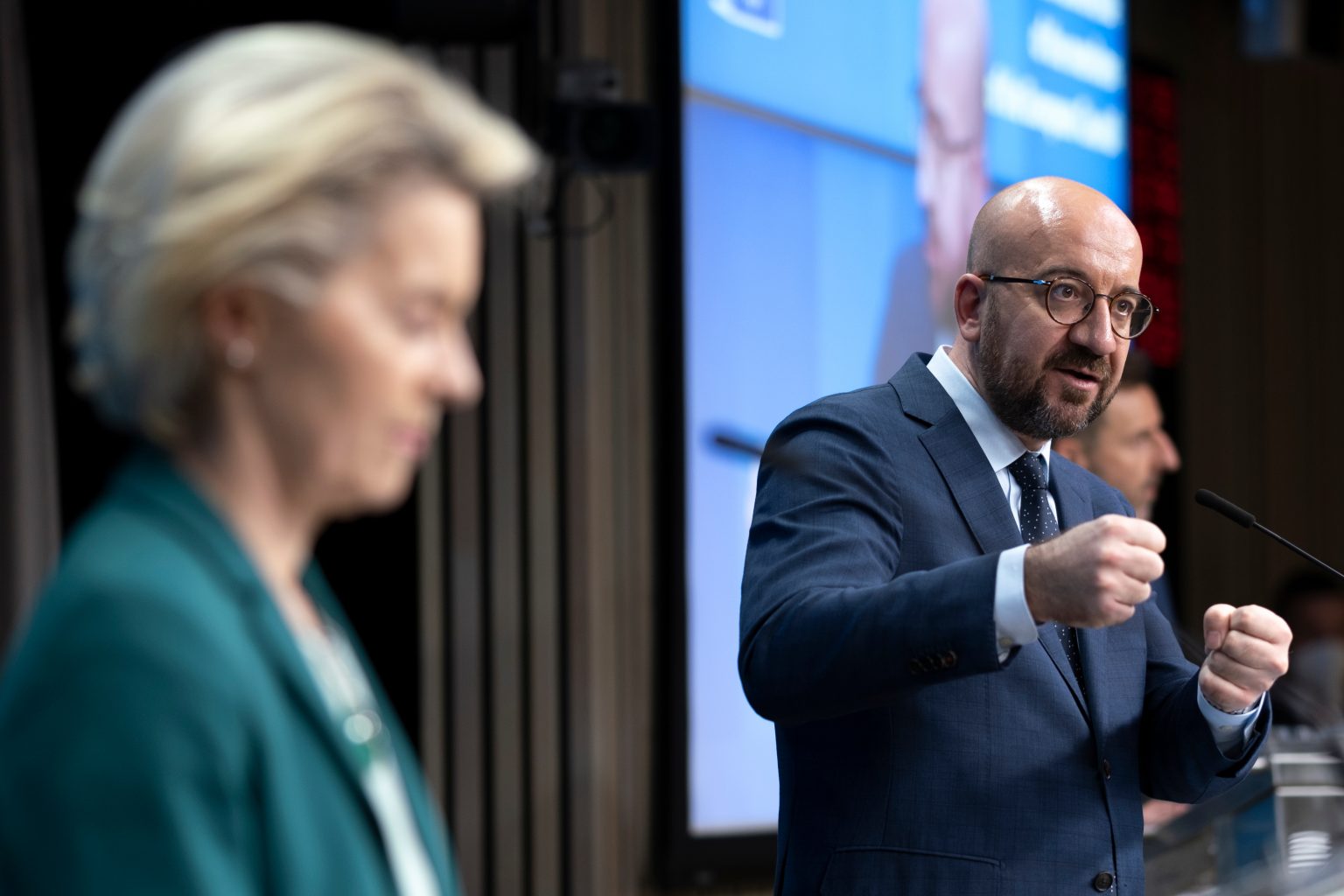
EU Commission President Ursula von der Leyen delivers a joint press conference with the EU Council President at the end of a European Union summit in Brussels, Belgium on March 25, 2021.

The trip was supposed to reignite the spark of a relationship between the EU and Turkey – a relationship that has been strained over the last few years.

Sofagate is all that anyone in Brussels can talk about at the moment. The impromptu game of musical chairs that took place in the Presidential Palace in Ankara has launched a diplomatic spat between the EU and Turkey. However, the real criticism is not that being aimed at Turkey for the protocol snafu, but that being pointed at European Council President Charles Michel. For those not in the know #Sofagate, as it has been dubbed, revolves around the recent visit of Commission President Ursula von der Leyen and Council President Charles Michel to Turkey. The trip was supposed to reignite the spark of a relationship between the EU and Turkey – a relationship that has been strained over the last few years. The trip seemed to be going well, until it was time for the photo. All three leaders arrived in the room to discover only two chairs – with Michel lunging for the one next to Erdogan, von der Leyen was relegated to the couch. What seemed like a diplomatic snub sparked a row that resulted in the Italian Prime Minister referring to Erdogan as a dictator in an official statement. The reality however was that the Turks had simply acted on the protocol sheet presented to them. On official visits overseas it is the President of the Council who represents the Union, not the Commission President and thus she doesn’t get a seat. However, Turkey is still technically a pre-accession country that on paper is still waiting to join the EU. This means that according to protocol the Commission President should have had a seat, and that Charles Michel’s office simply didn’t run it past their counterparts in the Commission. Whilst this all might seem dull and banal, the reality is that it underscores a much bigger conflict taking place in Brussels. Since the signing of the Lisbon treaty there has been a secret war of influence waged between the Council President and the Commission President. Both stake claim to the de-facto title of President of Europe, however since no such title exists competence is split between them. The Commission President, according to the treaties, is in effect the Head of the Civil Service and the implementation of policies sent to her by the European Parliament and the European Council. Whilst the Council President is in effect like a Head of State – he represents the EU externally and presides over the European Council made up of EU Heads of Governments. The crisis of control was only made worse by the introduction of the so called ‘spitzenkandidaten’ system – in which the President of the Commission is supposed to be the candidate put forward by the political party that came first in the European Parliament elections. In 2014 Jean-Claude Juncker was the lead candidate of the European Peoples Party and so became the President of the Commission. His time as Commission President coincided with what could be best described as a power grab. He proposed the theory and  practice of a ‘political commission’ that could push its own agenda on the European Parliament and take drastic decisions on its own. It was with this that the Commission President also managed to elbow his way on to the international stage. Thus the lines between the European Council President and the Commission President continued to blur. In 2019 things changed further with the appointment of Ursula von der Leyen as Commission President by the European Council. She, unlike Juncker, had not stood in the European Elections but was instead nominated as a compromise candidate. Despite this, she has continued to push on with the political commission that her predecessor had laid down the ground work for. So the confusion about who should or should not have had a seat on the fateful day is understandable. However, it doesn’t resolve the conflict – neither side seems to have backed down in the clash, and instead they have both managed to make the EU look like fools in front of the whole world. Despite calls for Michel to resign, it is very unlikely that he’ll go anywhere, just the same as von der Leyen has rejected calls for her own resignation over the handling of the COVID crisis. As a result we can only expect to see these clashes continue....

Subscribe to The Mace

Join the member community shaping British politics and stay ahead of what's really happening in the world of politics and public affairs, with expert analysis, breaking news, and insider insights from Westminster and Brussels. The Mace is the leading news source and resource for the government affairs industry, offering required reading and lobby intelligence for professionals.

To see what you are missing out on by not subscribing to The Mace, click here to download our full membership info-pack. This includes having no paywall on op-ed content or profiles/interviews, allowing professional profiles to be read with maximum impact and visibility by government, special advisers, MPs, peers, civil servants, and policy and political decision-makers.

The Clown Prince Ascends to his Throne

Mace | January 29, 2020

There’s plenty of egg-on-face - or just embarrassed silence - for the many pundit hacks, often former Tory colleagues of Boris, who wrote him off as a priapic
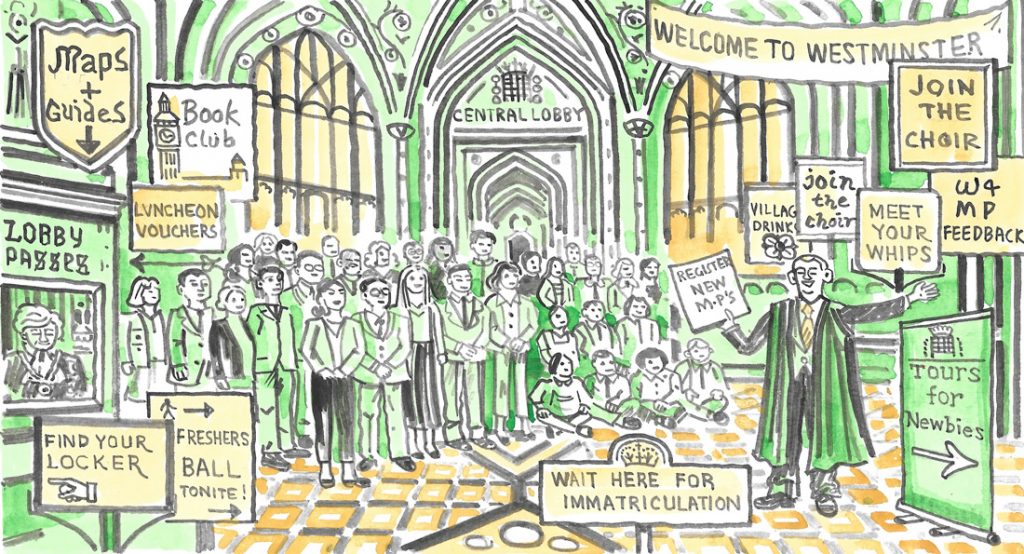
Meet the Class of 2019

Mace | January 28, 2020

George Peel surveys the best of the new crop and finds much to celebrate in all the parties
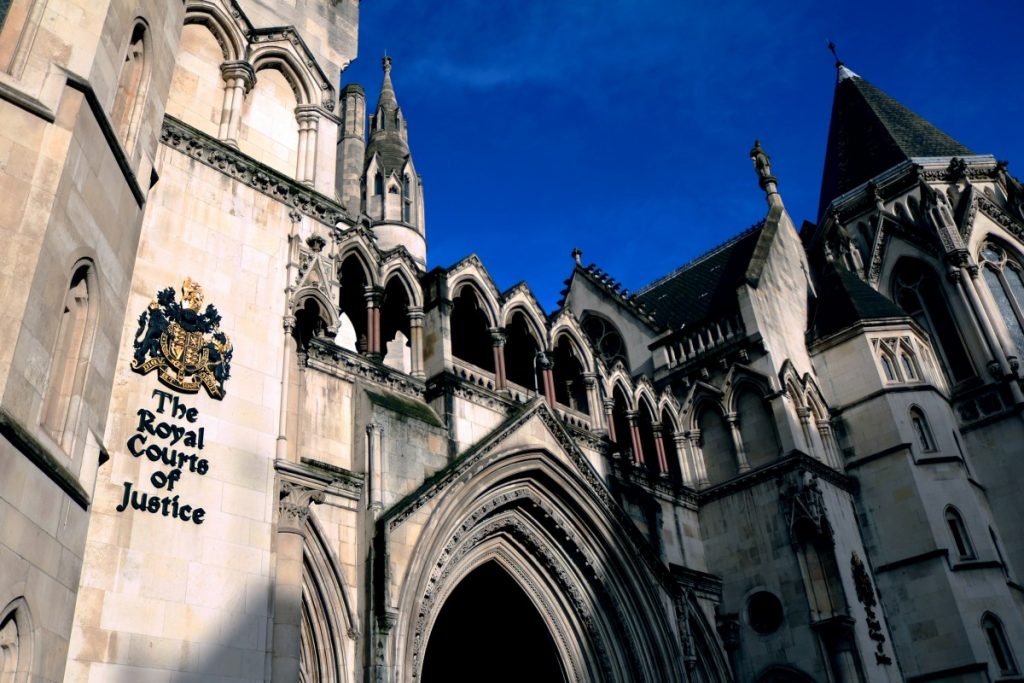
Who are the key players in justice today?

Christopher Jackson | January 21, 2020

Christopher Jackson provides an update of a department about to enter a period of considerable flux.
A New Magazine for a New Parliament

Mace | January 16, 2020

When the clocks struck 11pm on 31 January, it was the end of our 45-year relationship with the EU.