Renatus Tactical SPAC Debuts on Nasdaq with $241.5 Million IPO
Renatus Tactical Acquisition Corp I marked its Nasdaq debut on 23 May 2025 following a $241.5 million IPO. Led by former DWAC executives, the SPAC targets blockchain, security,

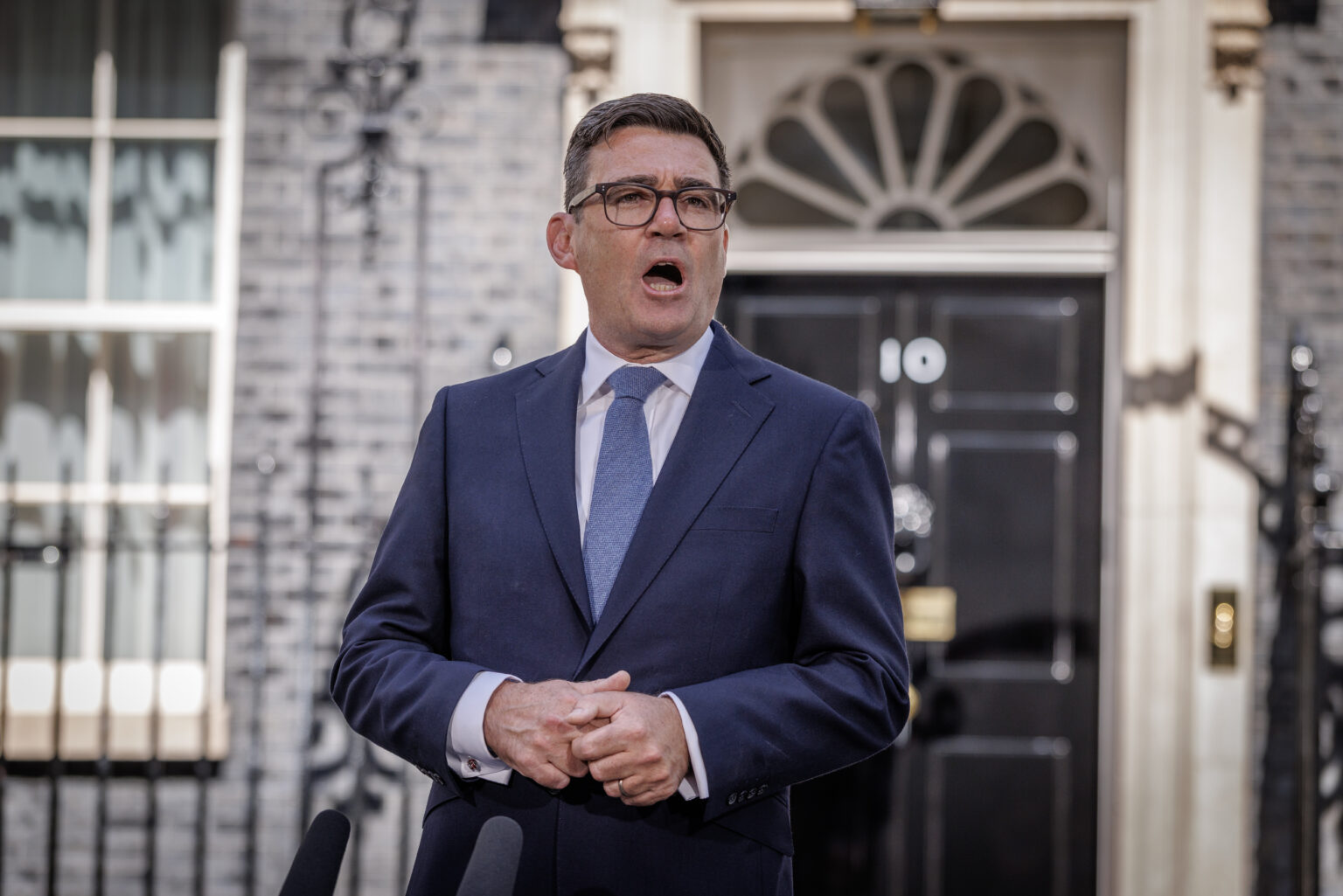
The ruthlessness of Andy Burnham’s purge has taken the country back to Macmillan's Night of the Long Knives. Media reaction has been predictably partisan, with the choice of John Healey as Chancellor catching all off-guard.
It took less than 48 hours for the King of the North to show he was no longer just running Greater Manchester; he was running the country. Andy Burnham’s ascent to Number 10 marks one of the most decisive and brutal transitions of power in modern British political history. Sir Keir Starmer’s brief two-year tenure as Prime Minister ended not with a whimper, but with a cabinet bloodbath. In one fell swoop, the new Prime Minister did not just reshuffle the deck; he tossed out the Starmerite playbook and most of the players who wrote it.
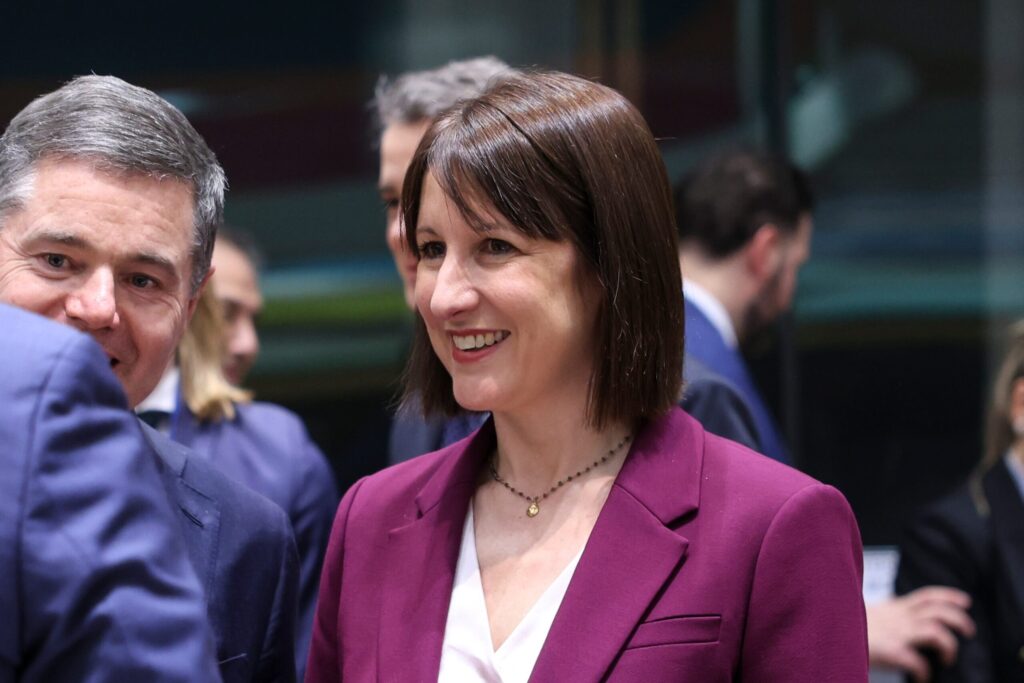
The speed and ruthlessness of Burnham’s purge took us back to Macmillan’s 1962 ‘Night of the Long Knives’ when he sacked seven members of his cabinet. Out went Rachel Reeves, the former Chancellor, alongside heavyweights like David Lammy, Peter Kyle, and Steve Reed. In their place came a new establishment: John Healey’s surprise elevation to the Treasury, Louise Haigh’s return to the frontline as First Secretary of State, and Angela Rayner’s comeback at the Ministry of Housing. It was a definitive signal: this is not a continuation of the Starmer project. This is the dawn of the Burnham era.
The British media’s reaction has been a mixture of whiplash and fawning glee. The Mail’s Quentin Letts dissected the Downing Street cull by dismissing Burnham’s first speech outside No 10 as “fluff and boiler-late baloney.” The reshuffle was variously described as a “ruthless purge” and a “bloodbath”. Commentators who spent the last few years analyzing Sir Keir’s cautious, incrementalist approach suddenly found themselves frantically updating their profiles, not quite sure as to how to describe Burnham’s unapologetic display of authority, speaking without notes in his first address as PM.
Broadcasters like Sky’s Beth Rigby were quick to highlight the political significance of the appointments, noting how Burnham stacked his top team with close allies rather than former Starmer loyalists. Financial journalists at the Financial Times and The Times focused heavily on the shock appointment of Healey as Chancellor—a strategic move intended to calm the markets while distancing the new administration from the Treasury’s previous occupant. Right-wing tabloids, such as The Sun, naturally leaped on the opportunity to highlight the return of figures who had previously stumbled under Starmer, framing the new cabinet as a resurrection of Burnham’s inner circle.
However, beneath the initial media frenzy lies a deeper, more profound narrative about the direction of the Labour Party. The mainstream press is rightly recognizing that this purge goes far beyond standard factional payback. Burnham is completely dismantling the previous administration’s political operation to clear the runway for his brand of “aspirational socialism” and heavy state devolution. For years, commentators have speculated about what a Burnham-led government would look like. Now, the media is digesting the reality: a government pivoting towards the nationalisation of failing utilities, aggressive house-building, and a fundamental rewiring of the British economy.
The media’s reaction also reflects a collective realization that Burnham possesses a rare political commodity in the current climate: a direct line to the electorate’s frustrations and a charismatic, authentic communication style. While the press will undoubtedly scrutinize the practical realities and economic costs of his ambitious agenda, they are currently united in acknowledging that the political momentum has definitively shifted.
Ultimately, the British media’s response to Burnham’s purge reveals a long-standing fascination with strong, decisive leadership. After months of internal unease, briefing wars, and sliding poll numbers that plagued Starmer’s final months in Downing Street, the press is now witnessing a leader who projects absolute certainty. Whether this ruthless reshuffle will succeed in calming the markets, uniting the party, and winning over a cynical public remains to be seen. But one thing is for certain: the era of the quiet, meticulously managed Labour operation is over. Andy Burnham has taken the wheel, and the British press is strapped in for a very bumpy, fascinating ride.
Renatus Tactical Acquisition Corp I marked its Nasdaq debut on 23 May 2025 following a $241.5 million IPO. Led by former DWAC executives, the SPAC targets blockchain, security,
The UK economy grew 0.7% in Q1 2025, the fastest among G7 nations, offering a political lift to the Labour government. The Bank of England upgraded its annual
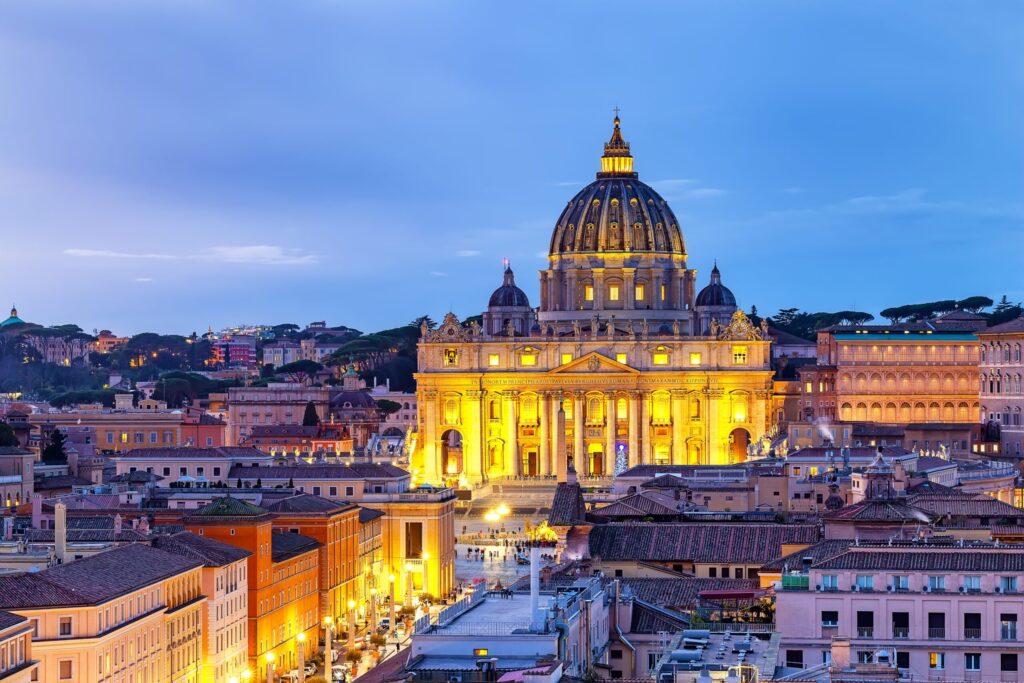
Trump’s Catholic allies are exerting growing influence in Rome as a new conclave approaches. Backed by wealthy donors and political operatives, they are campaigning for a more traditional
Important elections are happening around the globe and whilst ideological politics may be dying, polarisation is not

The world of NFT art isn’t just about individual artists selling work to crypto nerds. As big brands get involved, there’s money to be made and kudos to

The euro may have fallen short of its objectives, but on its 20th birthday its survival inspires calls for further European integration

Finnish Ambassador to the UK Jukka Siukosaari reveals the Finnish insight on Russia and speculates on how the conflict will end

Biden’s executive order to reshape the supply chain might foster improved transatlantic trade relations with the European Union

Lord Hannay on the invasion of Ukraine

The political and cultural crisis surrounding London's police force has shone a light on an intolerable governance system
