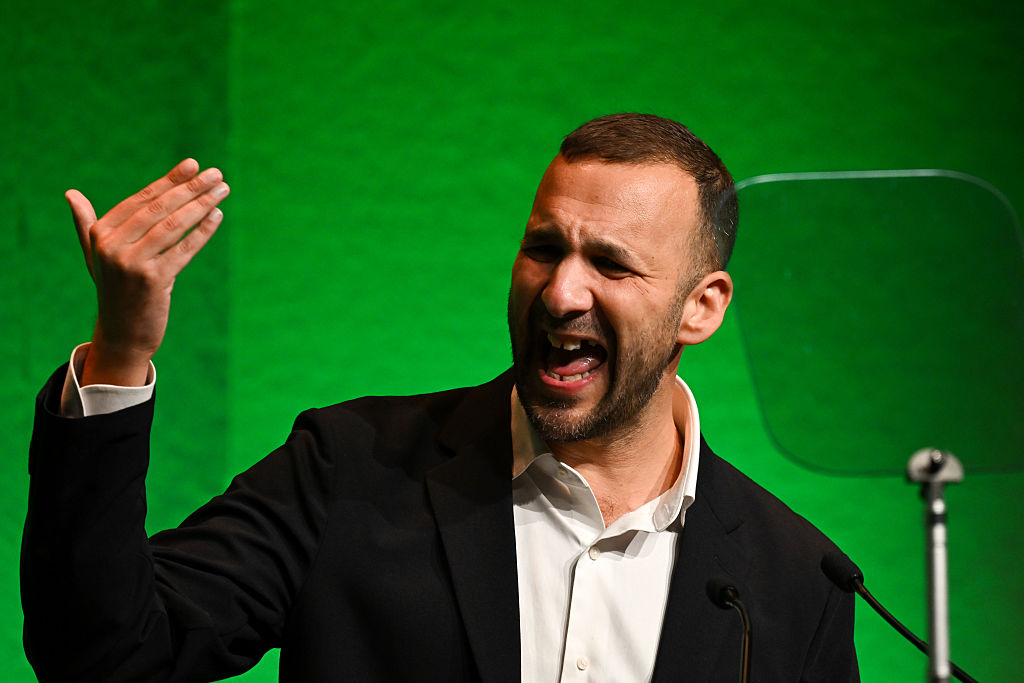
By-election day: Is it now or never for Zack Polanski?
The day of the Holborn and St Pancras by-election has arrived; Mace investigates where public opinion is and what this means for the future of the Green Party

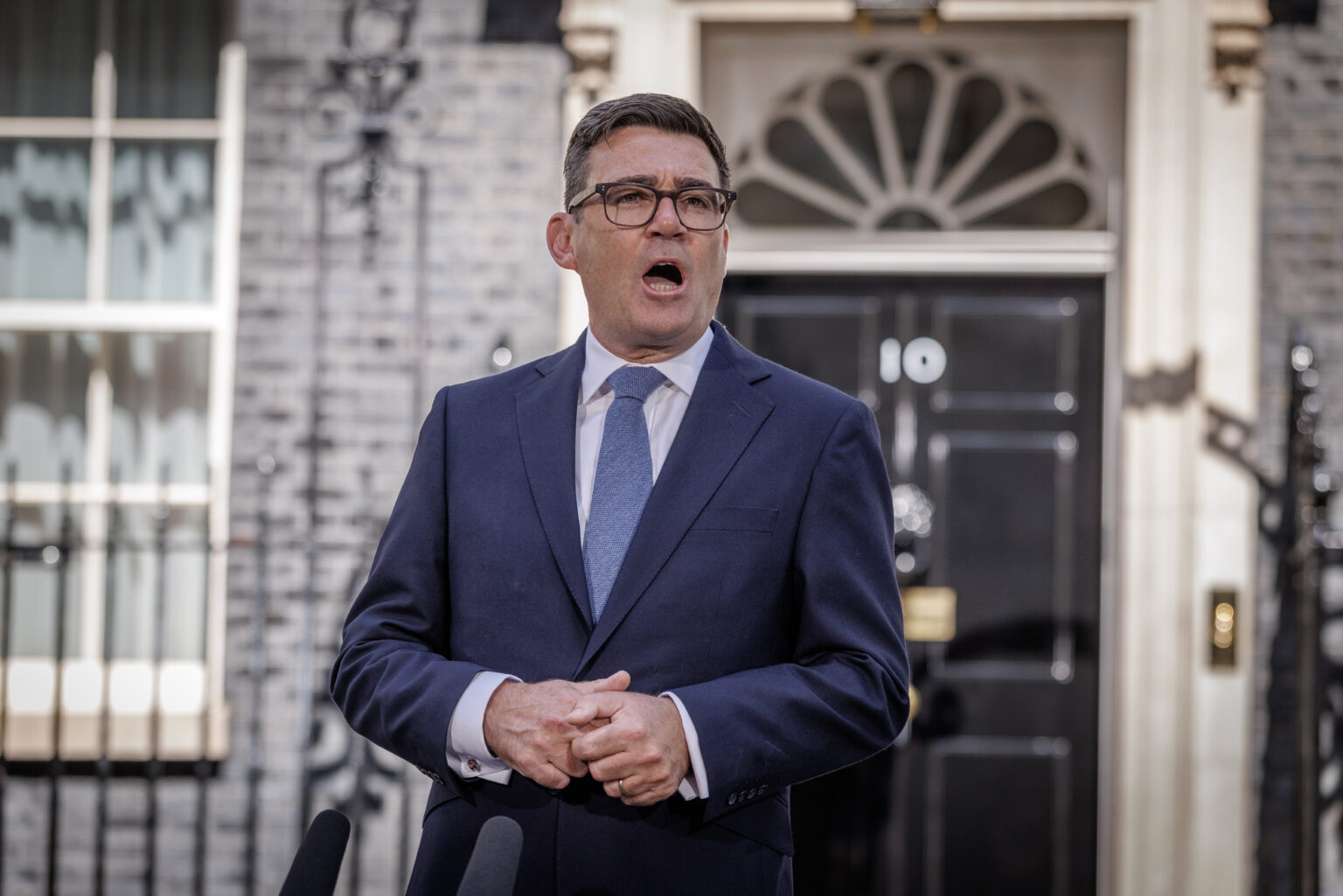
The ruthlessness of Andy Burnham’s purge has taken the country back to Macmillan's Night of the Long Knives. Media reaction has been predictably partisan, with the choice of John Healey as Chancellor catching all off-guard.
It took less than 48 hours for the King of the North to show he was no longer just running Greater Manchester; he was running the country. Andy Burnham’s ascent to Number 10 marks one of the most decisive and brutal transitions of power in modern British political history. Sir Keir Starmer’s brief two-year tenure as Prime Minister ended not with a whimper, but with a cabinet bloodbath. In one fell swoop, the new Prime Minister did not just reshuffle the deck; he tossed out the Starmerite playbook and most of the players who wrote it.
The speed and ruthlessness of Burnham’s purge took us back to Macmillan’s 1962 ‘Night of the Long Knives’ when he sacked seven members of his cabinet. Out went Rachel Reeves, the former Chancellor, alongside heavyweights like David Lammy, Peter Kyle, and Steve Reed. In their place came a new establishment: John Healey’s surprise elevation to the Treasury, Louise Haigh’s return to the frontline as First Secretary of State, and Angela Rayner’s comeback at the Ministry of Housing. It was a definitive signal: this is not a continuation of the Starmer project. This is the dawn of the Burnham era.
The British media’s reaction has been a mixture of whiplash and fawning glee. The Mail’s Quentin Letts dissected the Downing Street cull by dismissing Burnham’s first speech outside No 10 as “fluff and boiler-late baloney.” The reshuffle was variously described as a “ruthless purge” and a “bloodbath”. Commentators who spent the last few years analyzing Sir Keir’s cautious, incrementalist approach suddenly found themselves frantically updating their profiles, not quite sure as to how to describe Burnham’s unapologetic display of authority, speaking without notes in his first address as PM.
Broadcasters like Sky’s Beth Rigby were quick to highlight the political significance of the appointments, noting how Burnham stacked his top team with close allies rather than former Starmer loyalists. Financial journalists at the Financial Times and The Times focused heavily on the shock appointment of Healey as Chancellor—a strategic move intended to calm the markets while distancing the new administration from the Treasury’s previous occupant. Right-wing tabloids, such as The Sun, naturally leaped on the opportunity to highlight the return of figures who had previously stumbled under Starmer, framing the new cabinet as a resurrection of Burnham’s inner circle.
However, beneath the initial media frenzy lies a deeper, more profound narrative about the direction of the Labour Party. The mainstream press is rightly recognizing that this purge goes far beyond standard factional payback. Burnham is completely dismantling the previous administration’s political operation to clear the runway for his brand of “aspirational socialism” and heavy state devolution. For years, commentators have speculated about what a Burnham-led government would look like. Now, the media is digesting the reality: a government pivoting towards the nationalisation of failing utilities, aggressive house-building, and a fundamental rewiring of the British economy.
The media’s reaction also reflects a collective realization that Burnham possesses a rare political commodity in the current climate: a direct line to the electorate’s frustrations and a charismatic, authentic communication style. While the press will undoubtedly scrutinize the practical realities and economic costs of his ambitious agenda, they are currently united in acknowledging that the political momentum has definitively shifted.
Ultimately, the British media’s response to Burnham’s purge reveals a long-standing fascination with strong, decisive leadership. After months of internal unease, briefing wars, and sliding poll numbers that plagued Starmer’s final months in Downing Street, the press is now witnessing a leader who projects absolute certainty. Whether this ruthless reshuffle will succeed in calming the markets, uniting the party, and winning over a cynical public remains to be seen. But one thing is for certain: the era of the quiet, meticulously managed Labour operation is over. Andy Burnham has taken the wheel, and the British press is strapped in for a very bumpy, fascinating ride.
The day of the Holborn and St Pancras by-election has arrived; Mace investigates where public opinion is and what this means for the future of the Green Party
"Education is why I came into politics, and it is hardly talked about"

Greetings from Birmingham and the Conservative Party Conference, with Editor William Cash.
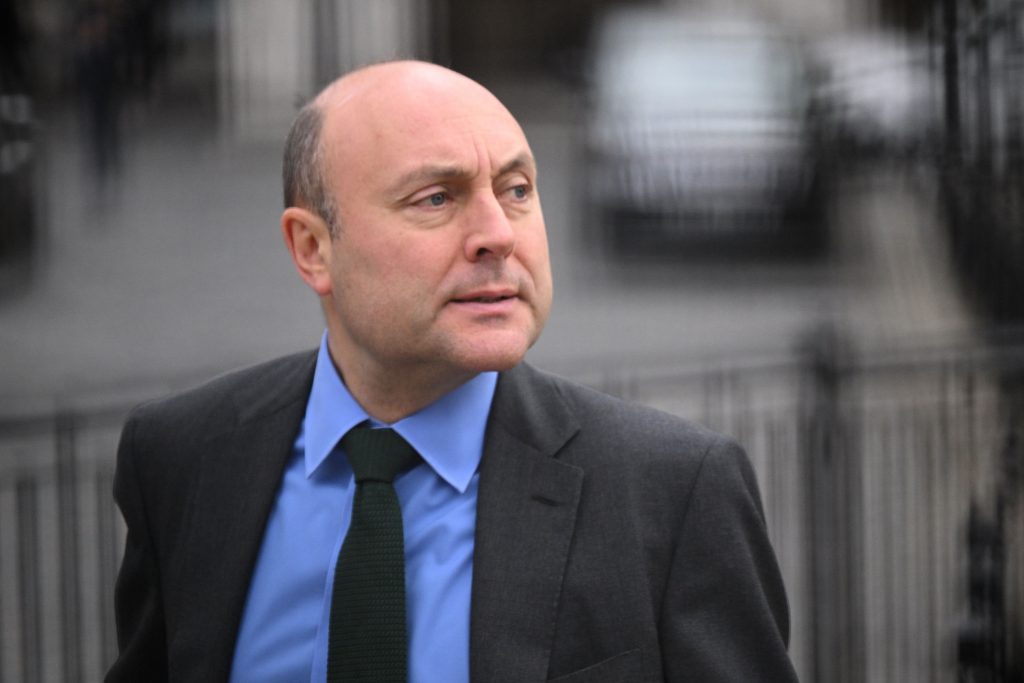
Healey’s affirmative line “There is nothing progressive about losing control” did little to stir ‘hype’ amongst conference attendees nor City bankers, but he is right to say it

In the latest addition of the Industry Reacts series, Lucy Carrier-Pilkington approaches leaders in hospitality to see their thoughts on the proposed ‘tourist tax’
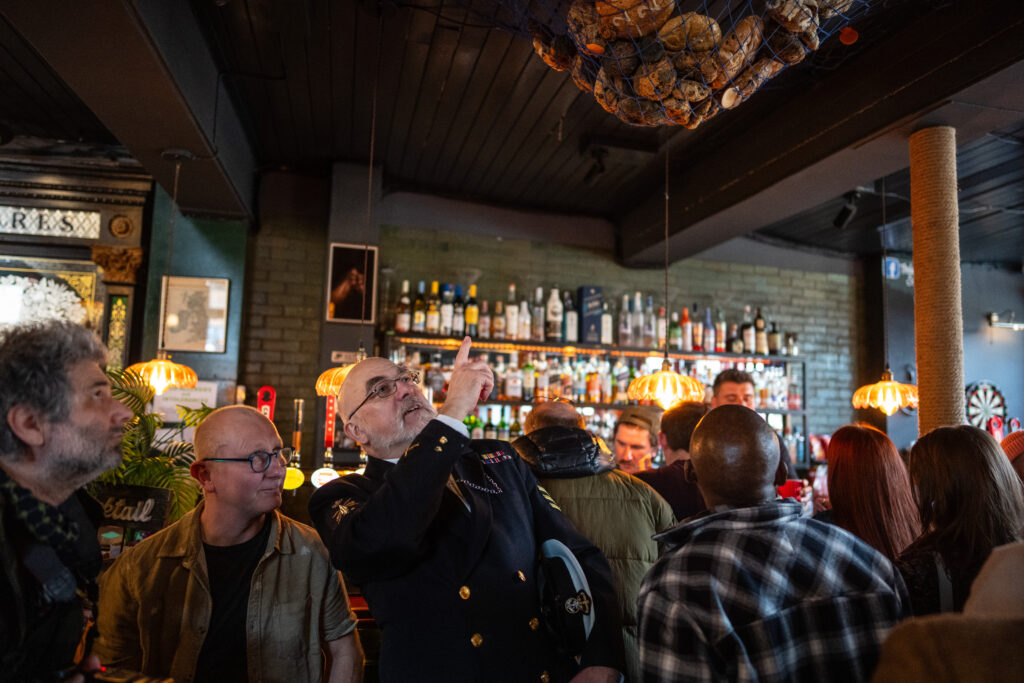
The government's new 5% tourism tax and overnight levy is the last thing the UK's hospitality sector needs, says William Cash

The question of money buying influence in politics is centuries old and not going away

One of the world’s richest men has been accused of ‘harbouring stolen lemurs’: The Mace reveals a cautionary tale in fake news.

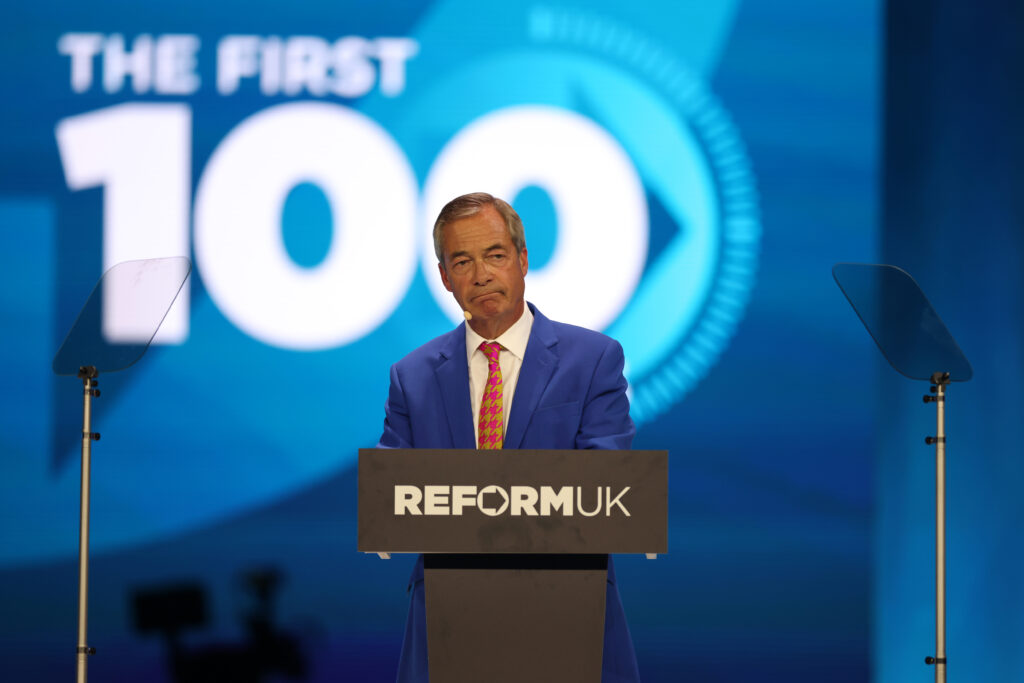
Seasoned Farage aide-de-camp Gawain Towler reflects on Reform's first ever Business Day at the NEC - and what it's like when a media grenade goes off during the
With a new team behind her, the latest Tory reshuffle has put the party on early election watch as well as showing her ruthless side.
