Bound by country and religion
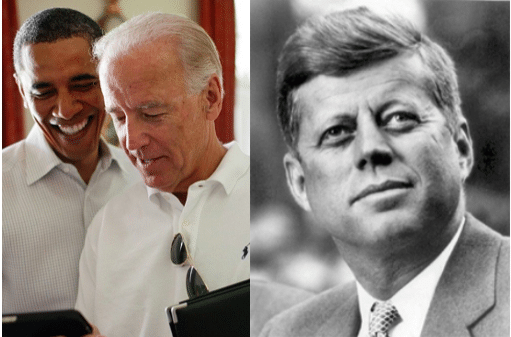
As the torch passes to the second Irish Catholic president, how do Joe Biden and JFK compare, asks Damian Collins

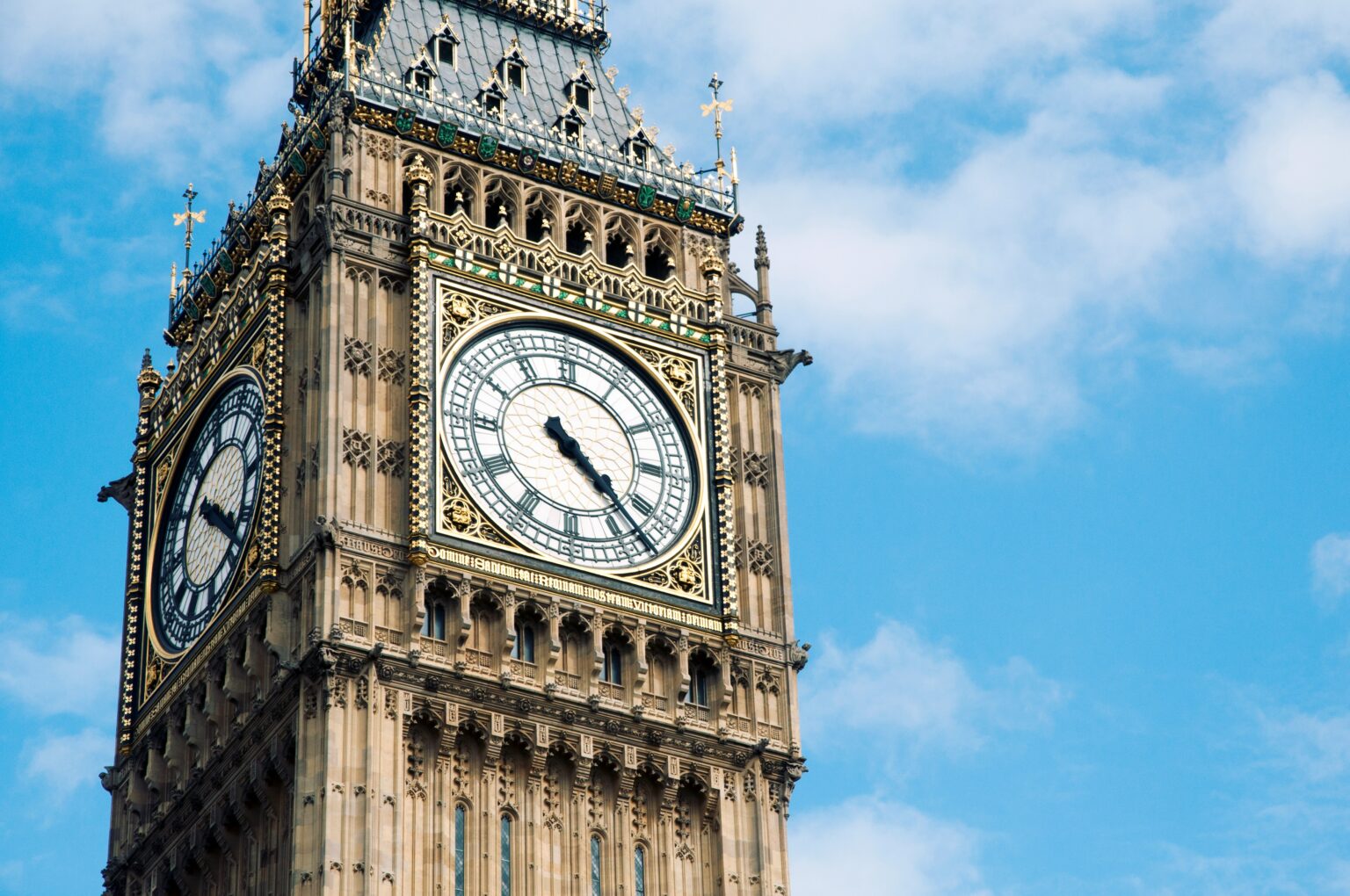
September and October usually mark the most intense period of political activity in the UK, here is what to expect.
Westminster is locked in for a busy season ahead of the highly anticipated ‘circuit breaker’ Autumn Budget.
Week 1 of September will already see an economic event as the technical consultation deadline closes for draft tax legislation related to the Finance Bill 2026-27 on September 7th. This consultation covers proposed rules on business, personal, and employment taxes. Shortly after on September 9th, the HM Treasury Budget Representation Portal closes marking the final chance for businesses and organisations to submit policy proposals for the October Budget. The submissions do not determine policy but rather give organisations an opportunity to provide evidence and comment on existing government measures.
In the middle of the month Parliament will enter its party conferences recess and will not return until mid-October, meaning all major debates will take place outside of Parliament. From the 27th to 30th of September, the Labour Party conference will take place in Liverpool, where Prime Minister Andy Burnham and Chancellor John Healey are expected to outline broader economic and regional priorities. The conference announcements won’t necessarily translate into budget measures however the language used could provide a strong indication of the budget’s direction.
Afterwards, on October 1st, the electricity VAT reduction begins. The government will temporarily remove VAT from domestic electricity bills for the remainder of the financial year. This measure was one of Burnham’s first announcements on becoming Prime Minister. This is funded by the cancellation of the £1.8 billion digital ID program. On October 28th John Healey will deliver his first Budget as Chancellor and the OBR will publish an updated economic and fiscal outlook, setting its forecasts for growth, inflation, borrowing, debt and government revenues.
“The Chancellor has said that the Budget will move power out of Westminster and Whitehall and into communities around Britain”
The Budget is expected to mark a significant departure from those of recent years. In his first speech as Prime Minister, he said the moment was a “circuit breaker for Britain” and promised “a new political model and a new economic model.” The Chancellor has said that the Budget will move power out of Westminster and Whitehall and into communities around Britain. Downing Street also revealed that mayors will retain a greater share of locally generated revenue, beginning with business rates, with a roadmap for income tax retention expected at the Budget. However, Healey has also suggested that the Budget will still comply with the government’s fiscal rules and retain a buffer against economic uncertainty.
We can also expect a Devolution White Paper detailing plans for regional devolution reforms, legislation, and a fiscal devolution roadmap alongside the Budget. The Prime Minister has also placed emphasis on reindustrialisation and the cost of living, but it is unsure how this will translate into policy.
Given Healey’s background, and his dramatic resignation from the Starmer government, we can expect defence to be point of intense interest in the budget and autumn policy. Presently, the UK Ministry of Defence’s overall budget for 2026-27 is £68.3 billion with broader NATO qualifying defence spending expected to reach approximately 2.6% of GDP in 2026.
As the torch passes to the second Irish Catholic president, how do Joe Biden and JFK compare, asks Damian Collins
There is no excerpt because this is a protected post.
The last days of Trump have seen the US descend into chaos amid riots and the invasion of the Capitol building in Washington, but it's not the last
Why Thomas Becket’s murder 850 years ago remains a cautionary tale for special advisers today, says William Cash

Virtual MP's surgeries are less strenuous and less time-consuming than their face-to-face equivalents. Josh Dell hails the benefits of their digitisation
In 60 days, America should prosecute the outgoing president for the atrocities of his time in office, argues Anthony Scaramucci (Trump’s former head of communications), Alan Blotcky and

Dominic Cummings's departure from Downing Street gives Boris Johnson the chance to reshuffle his team on more democratic lines, says former SpAd Peter Cardwell
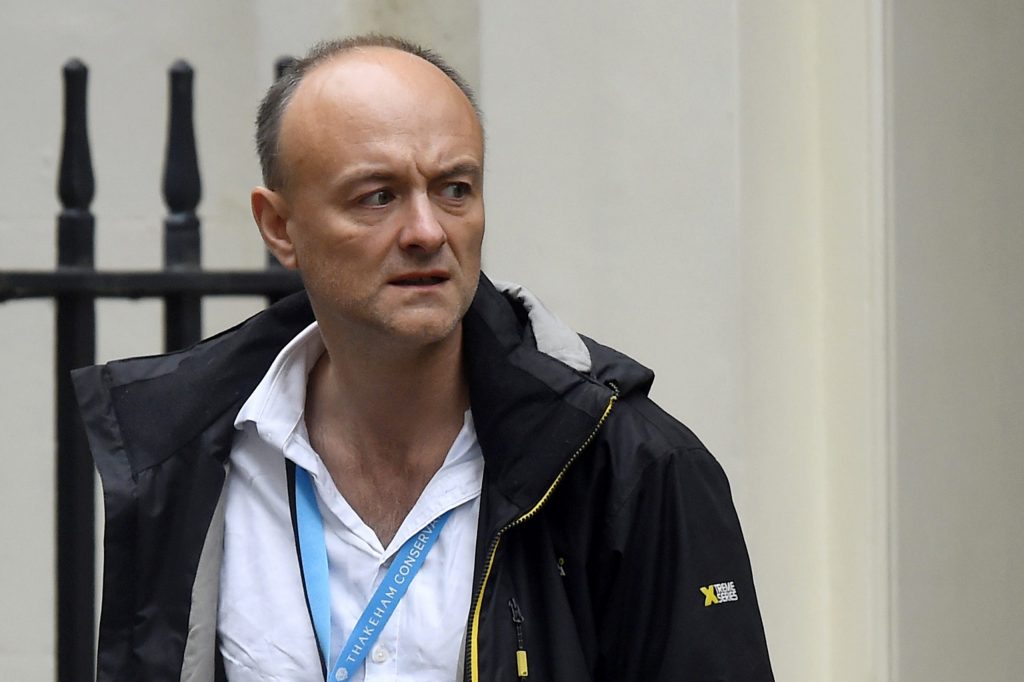
As Dominic Cummings leaves Downing Street for the last time, William Cash notes that his legacy will extend far beyond his own disruption of Whitehall
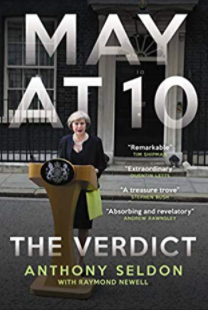
May at 10, by Sir Anthony Seldon, reviewed by Benjamin Goodwin
Marie Le Conte