Jacob Rees-Mogg’s languid pose on the Treasury bench launched a thousand memes on social media. Five observers interpret his body language for us.
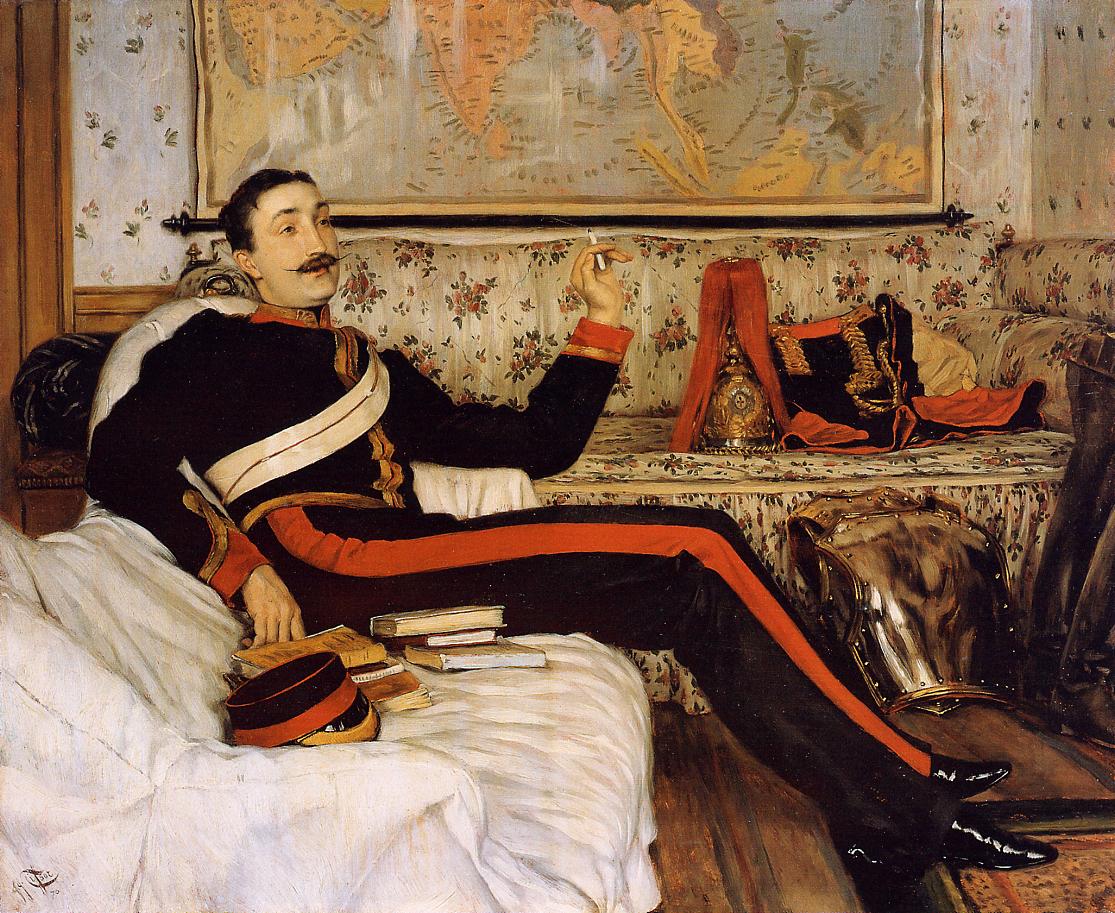
Philip Mould, art dealer: What’s so interesting about that Rees-Mogg pose is that, unlike 99 percent of the canon of British portraiture, he’s reclining. The political office of the 16th, 17th and first half of the 18th centuries was indistinctive from the aristocratic one. Even Cromwell would stand like a Van Dyck when he was being painted. The idiom of portraying political power was always to make you look like an aristocrat.
Then, in the later 18th and 19th centuries, politicians were increasingly portrayed with a new democratic quality: you think of Thomas Lawrence and Millais doing Disraeli and Gladstone – they’re intransigent, statutory. There’s a new sobriet, with darker clothes that make it hard for artists to deal with. Artists then had to emphasise gesture and facial expression in a way that they hadn’t in the ostentatious iconography of yesteryear.
And although it breached protocol, if you’re a portrait painter who wants to express the role of Leader of the House, what better way to style him than as reclining over a number of benches? Rees-Mogg is a sophisticated chap who knows his art and history; what I find so amusing is that a portrait painter would likely have depicted him in a similar way.
Prime ministers are more problematic to depict. When it came to someone like Thatcher, that was a real task because there had never been a language for female power in the …
Subscribe to The Mace
Join the member community shaping British politics and stay ahead of
what's really happening in the world of politics and public affairs,
with expert analysis, breaking news, and insider insights from
Westminster and Brussels. The Mace is the leading news source and
resource for the government affairs industry, offering required
reading and lobby intelligence for professionals.
To see what you are missing out on by not subscribing to The Mace, click here to download our full membership info-pack. This includes
having no paywall on op-ed content or profiles/interviews, allowing
professional profiles to be read with maximum impact and visibility by
government, special advisers, MPs, peers, civil servants, and policy
and political decision-makers.