Norway Climbs Further on Oil and Gas

Thomas Edwards | 3rd September 2025 | Brussels, International, Lobbying, Trade Associations
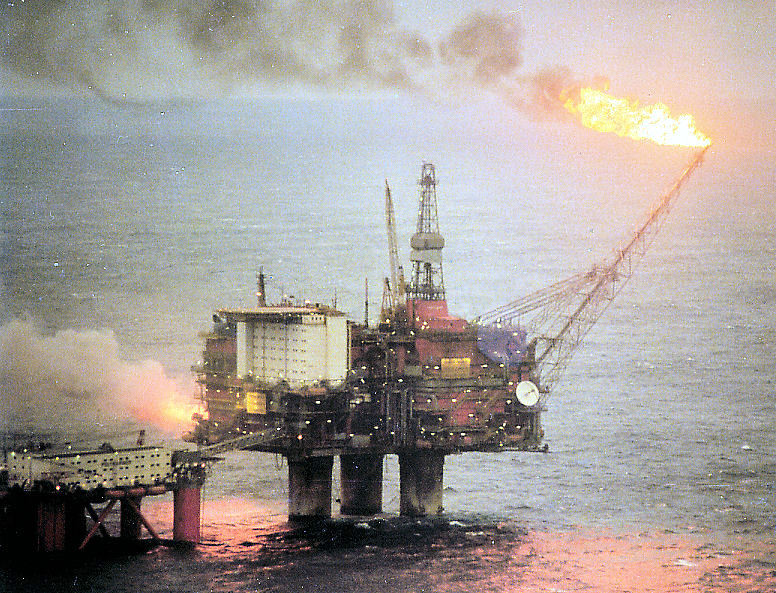
StatfjordA(Jarvin1982)

Norway is ramping up investment in oil and gas even amid green energy expansion. Output continues to exceed expectations, with new licensing rounds and record field development. Political parties differ on the strategy, but the petroleum sector remains central to the economy and Europe’s energy supply.

Norway is placing its bets firmly on oil and gas, even as green energy ambitions simmer in the background. As Europe scrambles to replace Russian supplies, Oslo insists that its petroleum sector remains indispensable. Record investments are expected to peak this year before tapering off, but the government is pushing ahead with new licensing rounds into frontier areas of the Barents and Norwegian Seas to sustain momentum. Energy Minister Terje Aasland has signalled that the Norwegian continental shelf will continue to deliver jobs, state revenue and stability for Europe, positioning the country as the reliable supplier it has become.  Output continues to exceed expectations. In July, oil production surpassed forecasts by nearly 4 per cent, driven by the ramp‑up of a major new oilfield in the Barents Sea. Equally, gas production edged above estimates, despite seasonal maintenance work, confirming Norway’s status as Europe’s leading gas exporter.  State‑owned operators and global firms are moving quickly. Equinor, along with Aker BP and Shell, are ploughing capital into both exploration and existing field enhancements. Equinor’s latest projects, including expansions in Johan Sverdrup and Troll C, are being delivered via subsea infrastructure that taps existing reserves. Development plans for Fram Sør and Troll boost prospects of industrious output through to decade’s end. Norwegian authorities are balancing continuity with caution. A national petroleum regulator forecast a peak in output in 2025 and flagged investment risks tied to volatile prices, warning that production could decline steeply without further exploration. The survey highlights the need for fresh ventures in frontier zones like the Barents Sea to avoid a fast‑approaching downturn.  The backdrop to all this is the federal election campaign. Energy policy sits centre‑stage as parties vie for influence. The right‑wing Progress Party calls for expanded production for centuries ahead. Labour, Socialist Left and Greens offer competing visions, from cautious stewardship to outright rejection of new exploration. Whether the next parliament is “much greener than ever before” remains to be seen.  Behind the continued race for oil and gas lies the bedrock of Norway’s economic model. Revenues from petroleum support the world’s largest sovereign wealth fund and contribute significantly to GDP. The government’s deliberate strategy blends high output today with financial safeguards for tomorrow. It is a political pact: the country keeps drilling, and the nation keeps thriving. ...

Subscribe to The Mace

Join the member community shaping British politics and stay ahead of what's really happening in the world of politics and public affairs, with expert analysis, breaking news, and insider insights from Westminster and Brussels. The Mace is the leading news source and resource for the government affairs industry, offering required reading and lobby intelligence for professionals.

To see what you are missing out on by not subscribing to The Mace, click here to download our full membership info-pack. This includes having no paywall on op-ed content or profiles/interviews, allowing professional profiles to be read with maximum impact and visibility by government, special advisers, MPs, peers, civil servants, and policy and political decision-makers.

Time to pay-up: why the government is right to crack-down on late payments by large companies

Mace | May 20, 2026

New legislation in the King's Speech to clamp down on large companies paying small suppliers late is long overdue, says Sarah Stone

Are Labour eyeing a return to the EU? Mace investigates the key players involved 

Lucy Carrier-Pilkington | May 19, 2026

Recent comments by the former health secretary have plunged Brexit back into national conversation, but what does Labour actually think?

Reflections on starting up a new centre-right think tank by Jonathan Brown

Jonathan Brown | May 19, 2026

Jonathan Brown, CEO of Centre for a Better Britain, explains why Westminster needed a new think tank for a new political era

Inside the Red Queen’s campaign war chest

Lucy Carrier-Pilkington | May 14, 2026

Now Angela Rayner has been cleared by HMRC, will she stand to be the next Prime Minister? Lucy Carrier-Pilkington reveals has the financial and political backing in place.

Westminster Street Fight for the Labour crown

Lucy Carrier-Pilkington | May 13, 2026

With Wes Streeting resigning and Angela Rayner now cleared by HMRC, all eyes are on Westminster's Game of Thrones-style battle for the Labour crown

Shipping latest: Dual-fuel fleets continue rapid expansion

Mace | May 13, 2026

Latest data released by the shipping industry reveals duel-fuel vessels are taking over the market.

Wes Streeting could be Britain’s next PM — here are the lobby groups who come with him 

Lucy Carrier-Pilkington | May 12, 2026

Calls for Keir Starmer to quit are getting louder, Lucy Carrier-Pilkington examines what new leadership could mean for the lobbying industry.

Easy Wins, Empty Gains: New white paper calls for lobbying review to go further

Mace | May 7, 2026

Following a series of lobbying scandals, the CIPR's White Paper is a tough new step to improve transparency in Westminster's lobbying laws.

Two pubs close every day: Voters blame the government

Lucy Carrier-Pilkington | May 6, 2026

Widespread pub closures comes as troubling news for football fans who want a local venue to watch the World Cup this summer.

EU likely to shelve chemical reform amid industry pressure 

Lucy Carrier-Pilkington | May 6, 2026

The reform concerns a pre-existing law on the Regulation, Authorisation and Restriction of Chemicals (REACH) and has been in place since June 2007.