EU Enlargement: Montenegro’s accession is a milestone for the future of Europe

Rade Vujacic | Issue 6 | Comment, Magazine

From the Archive

eucg

After a decade of negotiations, citizens must now secure Montenegro’s path to EU membership

The Russian invasion of Ukraine and China’s economic aggression around the world has changed the EU’s approach to global security and created a new impetus for its enlargement process. Faster enlargement, particularly in the Western Balkans, is seen by the EU as a strategic necessity for regional stability and prosperity. As an immediate reaction to Russia’s war, Ukraine, Moldova, and Georgia decided to submit their request for EU membership, with EU leaders quickly granting Ukraine, Moldova, and Bosnia (who applied in 2016) candidate status, and pushing for quicker negotiations with the Western Balkans candidates. This is a great opportunity, in unique circumstances, for Montenegro to also secure its path to EU membership. Negotiating since 2012, Montenegro has been viewed as the most advanced country in the accession process relative to other candidates, opening all 33 chapters and closing three. However, this status is more indicative of the EU’s enlargement fatigue over the past fe...

Subscribe to The Mace

Join the member community shaping British politics and stay ahead of what's really happening in the world of politics and public affairs, with expert analysis, breaking news, and insider insights from Westminster and Brussels. The Mace is the leading news source and resource for the government affairs industry, offering required reading and lobby intelligence for professionals.

To see what you are missing out on by not subscribing to The Mace, click here to download our full membership info-pack. This includes having no paywall on op-ed content or profiles/interviews, allowing professional profiles to be read with maximum impact and visibility by government, special advisers, MPs, peers, civil servants, and policy and political decision-makers.


Future-facing industries need 120,000 technicians

Dr Kelly Vere MBE | April 22, 2026

Dr Kelly Vere MBE, Director of the UK Institute for Technical Skills & Strategy and Director of Technical Strategy for the University of Nottingham highlights the technical skills

Whitehall continues to throw Starmer under the bus as the Robbins saga continues

Lucy Carrier-Pilkington | April 21, 2026

As the blame game between Keir Starmer and Olly Robbins unfolds, Lucy Carrier-Pilkington argues this is just the latest in a pattern of governments pinning responsibility on civil

Starmer’s successor may not be Labour’s knight in shining armour

Ted Newson | April 21, 2026

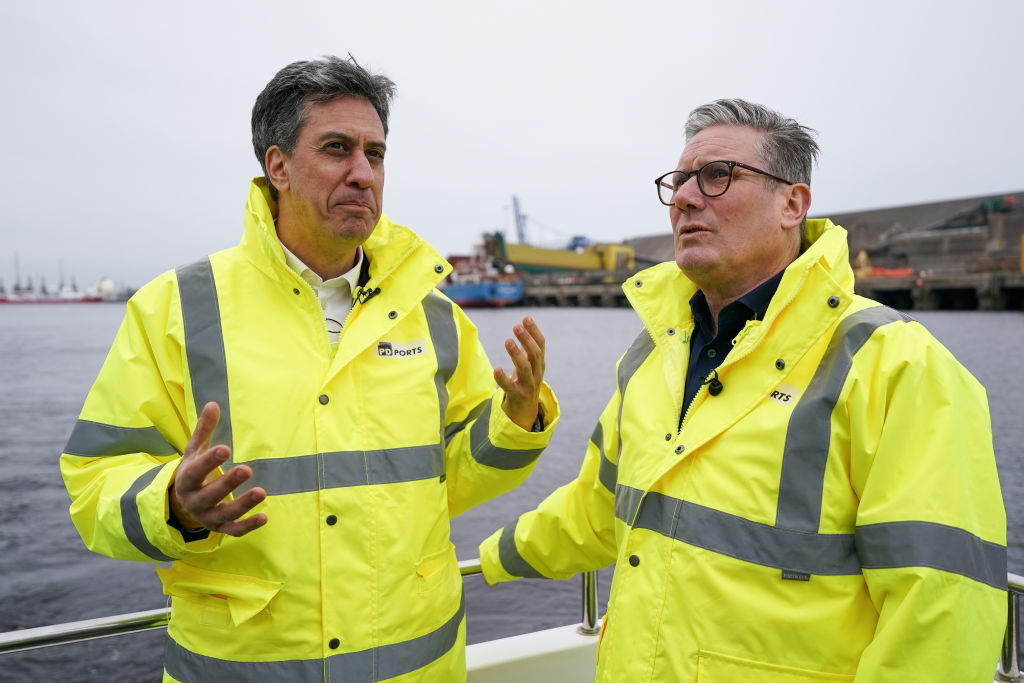
With Ed Milliband poised to be one of the favourites to succeed Starmer as Prime Minister, we must remember what a Milliband premiership would look like, writes Ted
Hiding in plain sight – The UK’s rising accident crisis

Matilda Smith | April 20, 2026

For too long, preventable accidents have been viewed as an afterthought, but more should be done to ensure they do not occur in the first place, writes Matilda

Do clients think they are part of the construction industry?

Rachel Davidson | April 20, 2026

A new guide outlining their roles and responsibilities under the Building Safety Act has prompted some questions about how seriously clients are taking the new safety regime, says

Unspun: Private Equity and Public Affairs

Ed Amory | April 15, 2026

Private equity investing in public affairs firms only makes sense if both sides know what they want

Chris Law MP: From promise to practice: why global human rights commitments keep stalling

Chris Law MP | April 15, 2026

The international order has the tools required to protect people. What is lacks is the will to use them, writes Chris Law MP

Government must go further with AI support

Polly Dhaliwal | April 14, 2026

As the use of artificial intelligence becomes more widespread, the government must do more to support small businesses with AI adoption, writes Polly Dhaliwal

The Strategist: Mark Leftly on the reality of political networks

Mark Leftly | April 13, 2026

Whilst it may seem easy to cast generalisations over Labour MPs, the reality is that most networks date back decades, writes Mark Leftly

Britain’s cleantech companies aren’t starving for capital. They’re starving for commitment

Sarah Mackintosh | April 10, 2026

The funding gap is real, but it isn't a shortage of money. It's a shortage of accountability for not deploying it, writes Sarah Mackintosh.