Communication: The real engine of Burnhamism
Before he has even begun, Burnham has incisively communicated his plan for the country. As MPs are scrambling for positions in cabinet, his comms team are assembling.


Healey’s affirmative line “There is nothing progressive about losing control” did little to stir ‘hype’ amongst conference attendees nor City bankers, but he is right to say it
We have approached party conference season and with the new government finding its feet – as well as a highly anticipated budget just weeks away – the excitement is palpable in Westminster and beyond. The Labour conference this year, held in Liverpool, has had the Burnham strapline ‘Hope Again’ plastered across every wall and screen. However, the Chancellor’s speech did not rally the same level of enthusiasm and fervour as perhaps some of his fellow ministers.
There was not much of a response from the markets on Healey’s speech, admittedly because there was not too much to respond to. Healey’s speech was more about priorities than policy, and took a Starmer-like ‘setting expectations’ tone regarding the economic challenges the UK faces. By the end of the day, the FTSE 100 fell slightly, the FTSE 250 rose modestly, the pound recovered a little, and government borrowing costs climbed to a 19-year high. Key takeaway – not a huge amount to report on the markets front for now. Although that is sure to change as the budget approaches.
Rain Newton-Smith, CBI Chief Executive, said: “The Chancellor’s speech set out a strong vision for how a politics of hope can translate into stronger business confidence and, ultimately, higher living standards.
“His commitment to fiscal discipline and recognition that it is a precondition for sustainable growth should provide reassurance to markets that the government is prepared to take difficult decisions to secure stable public finances.”
“Healey remained faithful to fiscal discipline and fiscal rules”
Healey stuck to the Burnham theme of devolution, promising £100 million to local mayors to fund their own apprenticeship schemes. Furthermore, he announced a £300 million commitment from Rolls Royce towards its apprentice training programme. The FTSE 100 company said the “significant investment” reinforced its “long-term commitment” to the UK and its advanced manufacturing ecosystem. Healey remained faithful to fiscal discipline and fiscal rules, discussing his agenda of ‘balancing the books, with a buffer against uncertainty’.
Newton-Smith added: “Just as important was the recognition that business needs breathing space. Firms cannot invest, hire and grow if rising costs continue to absorb the headroom they need to do so. By linking the cost pressures facing business to the wider challenge of raising living standards, the Chancellor showed an appreciation that a stronger economy depends on giving firms the confidence and capacity to create jobs, raise wages and invest.
“There was also a welcome focus on using the tools available to government to get growth moving. Smarter procurement, apprenticeships shaped around local economic need, and greater use of institutions such as the National Wealth Fund can all help turn public spending into private investment, stronger supply chains and growth in communities across the country.”
“The speech sent many of the right signals. The Budget now needs to turn them into action if we are to fundamentally change firms’ willingness to invest, take a chance on a young person, and scale a business here in the UK. That means delivering what the CBI has consistently called for, including bearing down on the cost of doing business, protecting the foundations for long-term investment, and removing the planning, infrastructure and regulatory barriers that hold back growth.”
While the politics of hope has been a visible theme throughout the early weeks of the Burnham premiership – Healey’s speech reveals that the UK is still very much stuck in the same space it was during the Starmer era. He thanked Starmer and Reeves for their work at the beginning of his speech, but perhaps he has now realised just how difficult the situation they inherited really was. Despite all the ‘hype’ and ‘hope’ it is uncertain whether Healey will really be that different to Reeves.
Before he has even begun, Burnham has incisively communicated his plan for the country. As MPs are scrambling for positions in cabinet, his comms team are assembling.
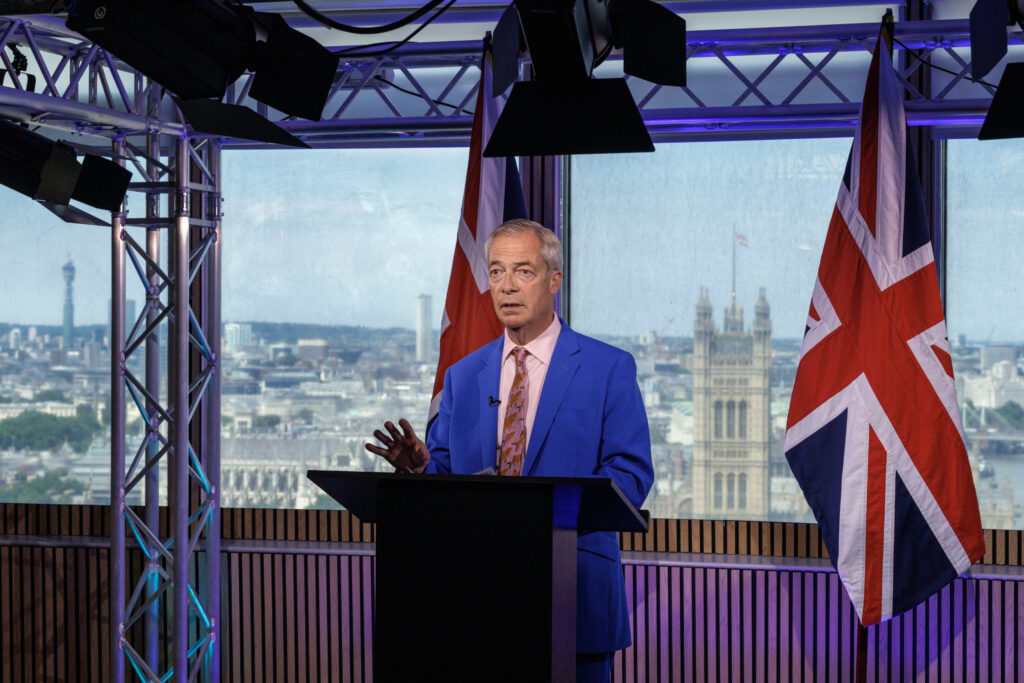
Farage says ‘the people of Clacton should be the judges of my actions’, but is this his most reckless move yet?
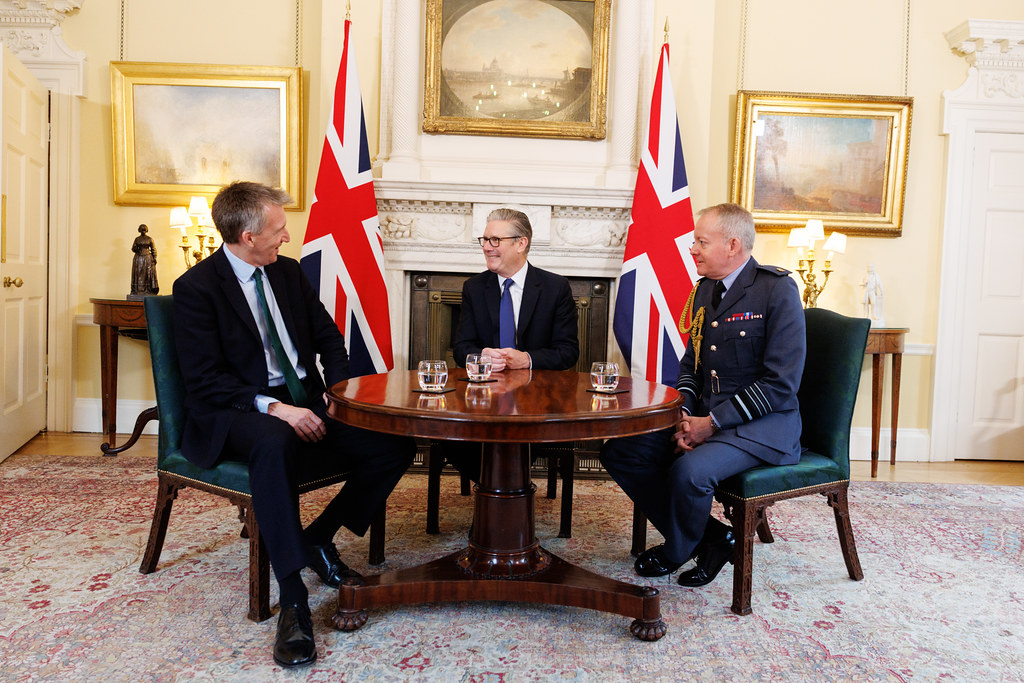
Britain cannot afford to fall behind its NATO allies on defence spending, writes Jasset Harlech.
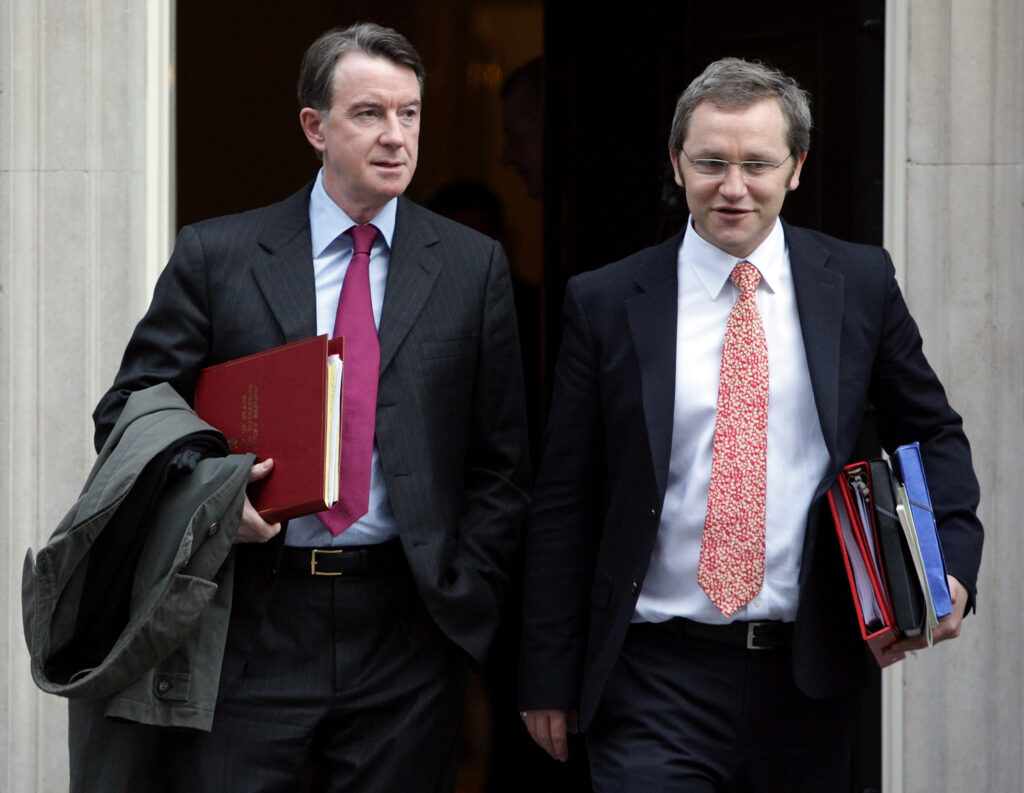
Flint Global CEO James Purnell's expected appointment as Andy Burnham's chief of staff is just the latest Westminster merry-go-round job move from Public Affairs back into Downing Street.
Senior advisor warns that the change of prime minister is a “colossal waste of energy”, as the business of politics comes to a standstill.
Love or hate the current American administration, at least they have a consistent electoral cycle where the choice of the electorate is upheld.
Sir Keir Starmer has announced that he will resign as Prime Minister and leader of the Labour Party, triggering a leadership process that now looks increasingly likely to

As vultures circle Downing Street, now that Burnham is back as an MP, Starmer must realise that resigning is going to be better for the Labour Party than

What will a Burnham government look like ? Lucy Carrier-Pilkington analyses what a change of prime minister will mean for the country and who will be the likely
New analysis reveals mixed results for the UK economy during this summer's tournament, with the hospitality sector reaching a record high and workplace productivity, unsurprisingly, worse for wear.
